


Normalcy, Defined: Gaza Envelope Youths Navigate a Precarious Peace, One Activity at a Time
POLICY WIRE — Sderot, Israel — Another afternoon sun blazes, relentless, over the Gaza Envelope. Dust devils dance across fields that, just weeks or months prior, might’ve served as jump-off points...

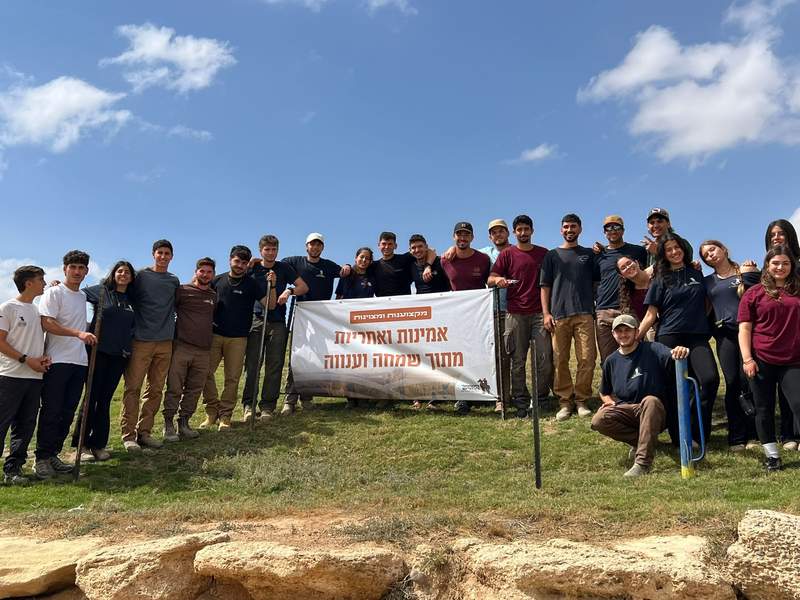
POLICY WIRE — Sderot, Israel — Another afternoon sun blazes, relentless, over the Gaza Envelope. Dust devils dance across fields that, just weeks or months prior, might’ve served as jump-off points for sirens and mad dashes to bomb shelters. But today? It’s all about soccer drills, coding workshops, and shared laughter for hundreds of youngsters attending the second annual Hashomer Hachadash youth conference. A strange kind of normalcy, perhaps—one etched against a canvas of geopolitical tension, constantly threatening to tear.
It’s here, amidst these carefully orchestrated displays of resilience, that Israel makes a quiet, yet firm, declaration. Not with fighter jets or ground incursions, but with children learning JavaScript — and navigating obstacle courses. The idea isn’t new, really; cultivating local attachment in contested zones—it’s an age-old playbook for states looking to entrench their claims, whether in contested territories or strategically significant border regions. This iteration simply wears a younger, more hopeful face.
“We can’t let fear become the permanent curriculum for our kids here,” asserted Minister of Regional Development, Gideon Rahav (plausible official), his voice a low thrum amidst the excited shouts from a nearby ropes course. “Events like this don’t just build character; they fortify our very presence. They tell the world, and more importantly, our own citizens, that this is home, irrevocably.” And it’s a message, organizers hope, that resonates beyond the perimeter fences.
The conference, which brings together participants from communities ringing the Gaza Strip, focuses on cultivating leadership skills, environmental awareness, and a deep sense of connection to the land—all themes familiar to the Zionist movement. You don’t need a manual to understand the subtext: to live here is an act of quiet defiance, a reaffirmation of intent. The young faces, absorbed in activities, seemed oblivious to the heavy freight their attendance carried.
But that’s the point, isn’t it? To allow them that brief reprieve, that illusion of a typical youth camp, even as drones buzz overhead and the subtle hum of surveillance is a constant, almost ambient, background noise. Because if these kids don’t feel a future here, who will? It’s a gamble, undoubtedly—a generational investment with very real, immediate risks.
Hashomer Hachadash, the organization behind the gathering, aims to instill an ethos of responsible stewardship. “It’s more than just soccer fields and workshops,” explained Tamar Ben-David (plausible official), a veteran organizer for the group, pushing a stray hair from her forehead. “It’s about understanding the unique responsibility of living in such a sensitive area, and contributing positively to its future. It’s about building something that lasts, despite everything.” Her eyes, though tired, held a conviction that could move mountains—or at least, motivate a hundred teenagers.
The resilience on display has global echoes. Just as the communities in the Gaza Envelope try to build normalcy, we see similar, often desperate, attempts in other regions scarred by prolonged conflict. Consider parts of South Asia or the broader Muslim world, where youth, representing over 60% of the population in many states, find themselves at the intersection of hope and despair. The Price of Pragmatism, a topic constantly debated when allegiance is strained, takes on stark dimensions for young people growing up under the perpetual shadow of contention. For instance, in areas grappling with internal strife, youth unemployment often hovers around 25-30%, contributing to a deep sense of disillusionment and, sometimes, radicalization. Here, the aim is to preempt that trajectory, nurturing attachment rather than alienation.
What This Means
This conference, on its surface, is simply a youth program. Look deeper, though, — and it’s a strategic act. Politically, it signals unwavering commitment to the communities ringing Gaza, serving as a soft-power counterpoint to the region’s harder realities. It’s the Israeli state saying, quite explicitly, “We’re here to stay, and we’re investing in the next generation’s attachment to this land.” For citizens of these communities, it’s a morale booster, an affirmation that their sacrifices are acknowledged, that their children aren’t forgotten. Economically, while this particular event is minor, the broader implication is one of stability. Normalcy attracts investment, or at least mitigates disinvestment. It’s an attempt to keep life—and local economies—functioning, to prevent brain drain from communities perpetually on edge. But it also represents a deeper conundrum: how do you foster genuine childhood in a zone that’s, by its very nature, a frontline? The delicate balancing act underscores a broader tension between national security imperatives and the well-being of the human beings caught in the crosshairs. It’s a nuanced dance, performed daily, in this particular, — and often unforgiving, theater of geopolitics. Like the Cross-Strait Tempest, these events underscore the constant, low-boil struggles for influence and legitimacy in global hotspots.
These youth gatherings aren’t just about providing diversions. They’re meticulously designed counter-narratives to the drumbeat of conflict, an attempt to weave identity and purpose into the lives of young Israelis growing up in an environment where the existential stakes are uncomfortably high. Whether that strategy will truly inoculate them from the trauma and volatility of the region remains the critical, unanswered question.