


From Culture Wars to Cash Registers: Target’s Unexpected Rebound Defies Retail Headwinds
POLICY WIRE — New York, USA — Call it retail resurrection or simply a reprieve, but Target, a corporate giant often caught in the crosshairs of America’s culture wars, just pulled off something...

POLICY WIRE — New York, USA — Call it retail resurrection or simply a reprieve, but Target, a corporate giant often caught in the crosshairs of America’s culture wars, just pulled off something analysts didn’t quite see coming. The Minneapolis-based behemoth, which once cultivated an image so chic shoppers affectionately dubbed it ‘Tarzhay,’ reported its most substantial jump in comparable sales in four years. This wasn’t just a good quarter; it was a defiant statement from a brand that’s been scrambling to reclaim its identity while balancing boycotts, inflation, and a notoriously fickle consumer base. Many thought it couldn’t be done.
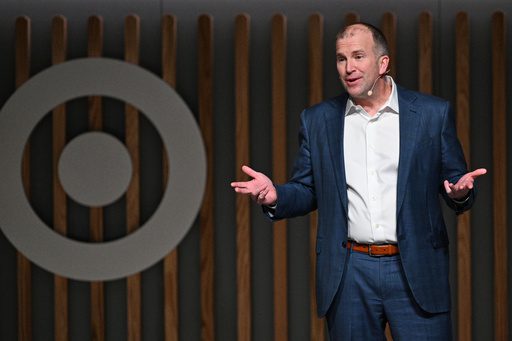
Only three months into a multi-billion-dollar corporate overhaul, Target’s chief, Michael Fiddelke, finds himself steering a vessel that, until recently, seemed more adrift than on course. The numbers don’t lie: comparable sales, the kind that tells you if existing stores are pulling their weight, rocketed up 5.6% for the period ending May 2. That’s a sharp pivot after three consecutive quarters of shrinking receipts, and it’s a statistic that certainly raised some eyebrows on Wall Street, particularly for those betting against a quick turnaround, according to financial data from FactSet.
But the true story isn’t just in the balance sheet; it’s in the messy trenches of consumer behavior and corporate responsibility. Fiddelke, a Target lifer now facing the toughest job of his career, is trying to thread a needle the size of a shipping container. He’s balancing a push for market share with the delicate art of managing public perception – a feat increasingly complicated in an era where every corporate decision is scrutinized through a social justice lens. “We’re encouraged to see a strong guest response so far,” Fiddelke told reporters, ever the pragmatic executive, “But we’re maintaining a cautious outlook given the work we know we have in front of us and ongoing uncertainty in the macroeconomic environment.” It’s a boilerplate statement, yes, but it masks the sheer tightrope act he’s performing.
Target’s playbook for this rebound is straightforward on paper: remodel stores, refresh product lines, and, crucially, address years of neglect that left shelves looking like a tornado had passed through. They’ve poured resources into stocking those legendary budget-friendly, stylish clothes — the kind that made ‘Tarzhay’ famous. New collaborations, like with the whimsical Roller Rabbit brand, seemed to click. And because kids, bless their hearts, always want new things, an expanded toy selection under $10 certainly didn’t hurt either. But this isn’t just about selling cheap pillows; it’s about repairing a brand’s soul. Remember the mess with the store’s reputation? They rolled back some diversity — and inclusion initiatives, sparking protests and calls for boycotts. And then, during an immigration crackdown in Minneapolis, the city housing Target’s HQ, activists pushed for a corporate stand, linking Target’s perceived neutrality to broader political inertia.
And those geopolitical currents aren’t just swirling locally. Take the situation with surging gasoline prices, which the company pointed to as a potential consumer deterrent. Driven in part by the lingering instability from the Iran war, these external shocks ripple globally, hitting consumers everywhere, from the aisles of a Minnesota superstore to the bustling markets of Lahore. Customers in South Asia, for instance, aren’t immune to rising fuel costs affecting goods, nor are they insulated from scrutinizing the ethical stances of major corporations—something that major Muslim world consumer groups have historically shown a keen readiness to do, sometimes leading to swift, widespread boycotts. It’s a potent reminder that global events always intersect with local cash registers, particularly for a brand attempting a reputational rebuild. The global energy outlook, often volatile, dictates far more than just utility bills.
A recent reshuffle in the C-suite and the hiring of a former Walmart executive to untangle their often-jumbled supply chain underscore how seriously Fiddelke takes the operational snags. They’re making changes. He’s said that while the boycotts impacted sales earlier, the recent uplift in store traffic was broad-based, crossing regional lines and demographic segments. Because let’s be honest, everyone likes a bargain — and a good-looking store. So while they posted $781 million in earnings for the quarter, it’s clear the company sees this as a fragile recovery. An unnamed analyst, who tracks retail trends for a prominent investment bank, quipped, “Target’s recent numbers suggest that when push comes to shove, consumers might forgive a lot for the right price point and a clean shopping cart. It’s not ideological commitment that drives a lot of these folks; it’s just convenience.” These macro shifts have wide-reaching effects on markets everywhere.
What This Means
Target’s unexpected surge is more than just a win for shareholders; it’s a telling barometer of the contemporary consumer psyche. This rebound, occurring amidst an election year often dominated by ‘kitchen table issues,’ suggests that while shoppers might publicly decry corporate missteps or engage in brief, impassioned boycotts, their spending habits remain heavily influenced by economic realities. Value, convenience, and aesthetic appeal can often override even deeply held socio-political objections in the long run—especially when budgets are tight. For other brands navigating similar cultural minefields, Target’s story offers a complex lesson: don’t confuse online outrage with permanent changes in purchasing patterns. However, it also highlights the increasing challenge for CEOs like Fiddelke. They’re no longer just managing product lines and supply chains; they’re simultaneously PR strategists, crisis communicators, and — by unfortunate extension — unwilling participants in the broader socio-political discourse. This demands a nimble leadership style, able to pivot from defending corporate values to hawking cheap toys without missing a beat. It also signals that, for now, economic relief can still trump reputational dents, at least for a retail giant.