


Utah’s Lacrosse Imperium: How a Family Built a Dynasty, One Goal at a Time
POLICY WIRE — Salt Lake City, USA — Before state titles, before sold-out stadiums (or rather, full college fields for a high school playoff game), there was just a basement. A long, narrow basement,...

POLICY WIRE — Salt Lake City, USA — Before state titles, before sold-out stadiums (or rather, full college fields for a high school playoff game), there was just a basement. A long, narrow basement, specifically designed for six children – Michelle Buechner’s children – to hurl a small rubber ball around with lacrosse sticks. It wasn’t about competitive circuits then; it was about familial sport, about getting good enough that you’d never be caught flat-footed.
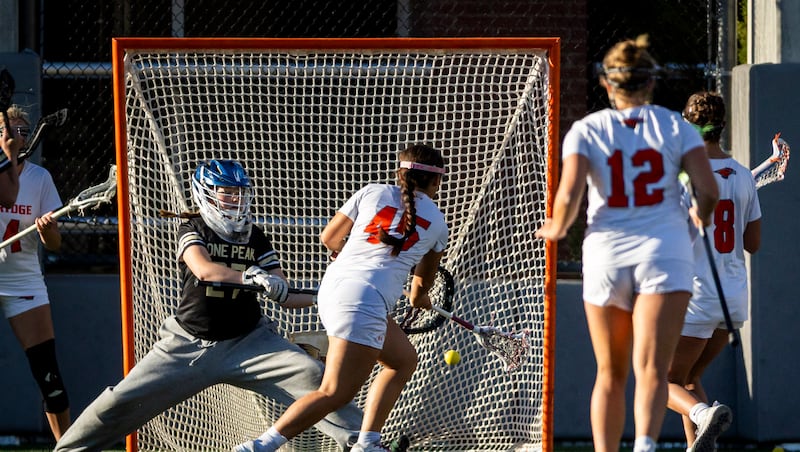
And now, years later, that informal training ground seems to be delivering quite the dividend. Utah’s burgeoning high school lacrosse scene just witnessed Skyridge High School—helmed by that same Michelle Buechner—dismantle Lone Peak with a rather shocking 23-6 scoreline in the 6A semifinal. This wasn’t a game; it was an affirmation. An assertion, perhaps, of a quiet imperium being forged in plain sight.
Skyridge, you see, isn’t just winning; they’re steamrolling. They’re 20-1 this season, losing only to an out-of-state challenger, a record that puts them in rarified air. But to understand this dominance, you don’t just look at Tuesday’s game. You look at the genesis: Michelle Buechner’s early foresight, cultivating club teams from across northern Utah County long before the sport was even sanctioned by the Utah High School Activities Association in 2019.
It’s that kind of organic, almost self-funding, development that often creates these unexpected sporting behemoths. Think of it. One person, a clear vision, building a community around a niche sport. Because, frankly, where else would a new high school program secure state-level dominance this fast, especially in a region often associated more with skiing and basketball than stick-and-ball games like lacrosse? This grassroots fervor, ironically, holds lessons even for nations striving to diversify their sporting palettes—consider the concerted efforts across Pakistan to nurture talent beyond cricket, often starting with privately run academies.
The numbers from the Lone Peak rout were stark. Sophia Fife bagged three goals. Ellie Palmer, Tessa Jamison, — and Sage Curtis each notched four. But the performance that’s got everyone talking belongs to Summer Buechner, Michelle’s sophomore daughter. She scored five goals — and dealt out six assists. Her season tally? An eye-watering 70 goals and 80 assists. “She’s built different,” one anonymous spectator muttered after the final whistle. And it’s true, she seems to possess an almost preternatural calm on the field, honed perhaps in those relentless basement sessions with her older, equally skilled siblings, Haven and River Buechner.
The elder Buechner isn’t exactly prone to grand declarations, either. “If they play the game like they can, they won’t lose,” Coach Buechner told reporters, her voice devoid of bluster, matter-of-fact as an accountant reading ledgers. It’s a statement born from a profound understanding of her squad’s capabilities, not simple hubris. Summer echoed a similar stoicism. “We’ve played in the freezing cold and the blazing hot,” she remarked, the statement implying a level of psychological fortitude — and practical experience — few of their rivals likely possess. “You just have to trust the team.”
Trust, in this context, looks like a combined tournament score of 68-9 over their last three contests. Lone Peak, a respected regional competitor, had held Skyridge to just a 10-goal margin earlier in the season. Tuesday, it wasn’t even close. They head to the 6A final against Riverton, another program itching for its first state title, on Thursday at Zions Bank Stadium. Don’t expect the Falcons to take their foot off the gas.
What This Means
The ascent of Skyridge girls’ lacrosse offers more than just a feel-good sports story; it’s a telling case study in regional athletic development and what happens when private enterprise precedes, and then informs, public sanctioning. The Buechner family’s long-term investment, from basement drills to club teams, essentially created a talent pipeline long before the Utah High School Activities Association recognized the sport. This isn’t just about winning a championship; it’s about defining the template for a new sporting discipline in a state. It begs the question: How many other successful community-based initiatives operate under the radar, providing the actual foundation upon which state-level structures later claim ownership?
From an economic standpoint, such dynasties, even at the high school level, begin to generate subtle currents. They attract interest, drawing more families to the sport, increasing demand for equipment, coaching, and potentially facilities. It’s a small-scale, almost unseen architectural shift in local sporting culture. these dominant programs inadvertently contribute to a region’s ‘soft power,’ fostering community pride and identity, which, on a larger scale, can have tangible political benefits through social cohesion and civic engagement. Think of how closely nations link their sporting prowess to their international image. A successful, locally-grown program like Skyridge acts as a micro-version of that nationalistic pride. They aren’t just playing for themselves; they’re playing for the perceived honor of a nascent tradition, now enshrined in the state’s sporting landscape. It’s a low-stakes competition, certainly, but its ripples extend further than just the field.
But the true implications, of course, lie beyond one specific game or season. We’re witnessing the formation of a legacy, one where athletic excellence and the immense pressure to maintain it, become the norm rather than the exception. And that’s something Policy Wire will be watching closely.