
Carano’s 17-Second Defeat: A Win for Netflix, a Harbinger for Legacy Fights?
POLICY WIRE — Inglewood, California — Forget the flying fists for a minute, because when Gina Carano stepped back into the octagon against Ronda Rousey, the real bout was happening off-camera: a...

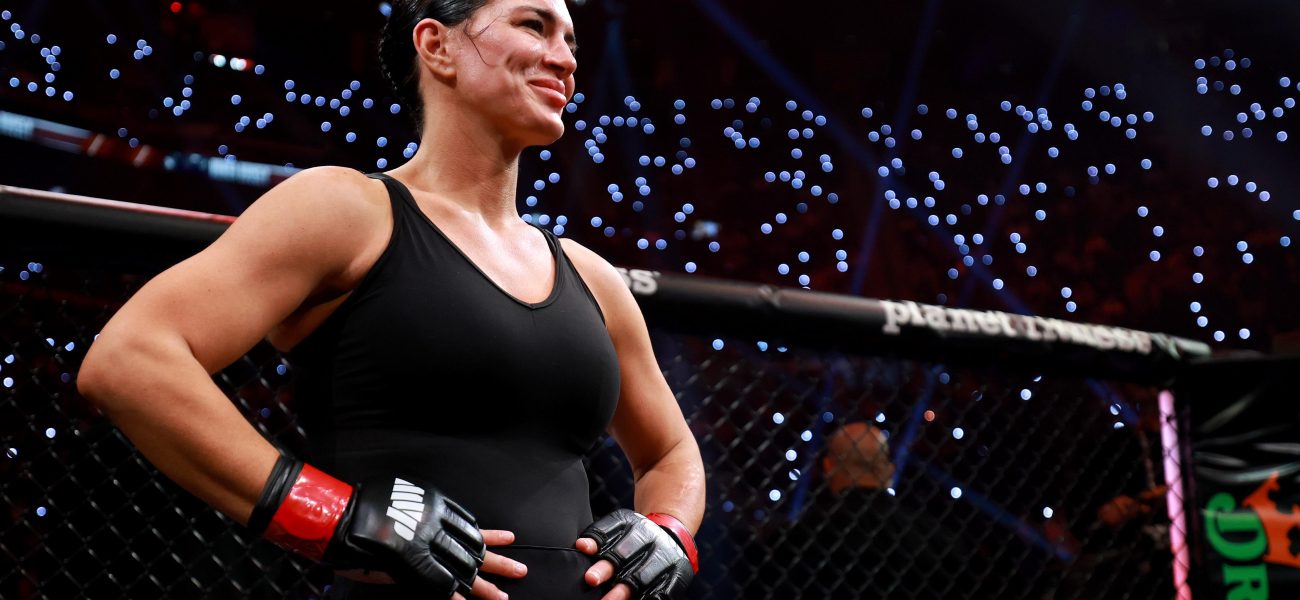
POLICY WIRE — Inglewood, California — Forget the flying fists for a minute, because when Gina Carano stepped back into the octagon against Ronda Rousey, the real bout was happening off-camera: a heavyweight struggle between conventional sports broadcasting and the surging, insatiable appetite of streaming behemoths. Carano’s much-hyped return, after a seventeen-year hiatus that’s practically ancient history in combat sports, lasted a brutal 17 seconds. But hey, it was streamed live globally on Netflix, wasn’t it?
It’s a peculiar thing, this fight game. One minute, you’re an athlete, the next, a meticulously constructed narrative designed to capture eyeballs and subscription dollars. And Carano, bless her heart, played her part perfectly—even in a stunning, blink-and-you-miss-it loss. You’d think after that kind of rapid submission, she’d be kicking herself, or maybe something harder. But she didn’t; instead, she spun it as ‘one of the best rides of my life.’ A professional, perhaps, or a participant keenly aware of the bigger picture.
The veteran fighter, 44, revealed the punishing physical toll of her comeback: shedding 100 pounds, a year-long caloric deficit, ‘swimming as hard as I could upstream.’ And then, Rousey dropped her. Arm locked in place, the fight was done. Because if she hadn’t tapped, Carano told her Instagram followers, Rousey ‘would’ve broken my arm, as it had begun to crackle.’ Disappointment? Sure, she admitted, ‘very humbling.’ But her post-fight narrative quickly pivoted to gratitude, an ode to her opponent, the promoters, and particularly, the platform itself. It felt less like a confession of defeat and more like a carefully crafted endorsement for a certain streaming giant’s foray into combat sports.
This isn’t about mere athletic comeback; it’s about monetizing celebrity and rekindling a past flame for a new generation of viewers—a savvy move in an ever-splintering media landscape. Consider the statement from a representative of the California State Athletic Commission, speaking on condition of anonymity to discuss sensitive medical protocols: “Ensuring the safety of a returning athlete after such a substantial layoff requires extraordinary diligence. We’re talking extensive testing, a full year of physiological monitoring. The sheer logistics, frankly, were astronomical. We don’t greenlight these contests lightly.” And they certainly don’t get paid ‘lightly’ for their efforts, one might observe.
And because the business of ‘fights that matter’ now spans oceans and cultures, these events have increasingly broad appeal. Imagine the reach: fans in Karachi, sitting after a long day, scrolling through Netflix’s vast offerings, and stumbling upon this transcontinental spectacle. It wasn’t just a U.S. audience that tuned in; these big-name brawls now draw significant viewership from the South Asian region and the Muslim world, where combat sports are experiencing an undeniable surge in popularity. Global streaming subscriptions, according to a recent analysis from Statista, soared by 12% across emerging markets last year, a significant chunk driven by live sports and ‘event’ programming.
Netflix, it seems, isn’t just selling dramas; it’s selling experiences. ‘These unique, legacy-driven combat events,’ chimed in Clara Jenkins, Global Head of Event Programming at a major, unnamed streaming platform, during a recent industry panel, ‘aren’t merely content; they’re cultural touchstones. We’re seeing engagement levels far exceeding expectations in diverse demographics, turning casual viewers into passionate subscribers. It’s a very sound business model.’ Sure, Clara, a ‘very sound’ business model where the primary asset (the fighters) is, well, aging rapidly.
What This Means
This wasn’t just a fight; it was a carefully calibrated experiment in brand expansion for Netflix and, by extension, other streaming services eyeballing the lucrative, yet notoriously difficult, live sports market. The rapid defeat, while athletically humbling for Carano, paradoxically reinforced the narrative: that anything can happen. This unpredictability, coupled with a nostalgic hook, creates irresistible, short-form drama tailor-made for binge-watching cultures.
Economically, it suggests a new frontier for sports commodification. Traditional pay-per-view models are under siege; the future, it appears, lies in embedding these high-octane events within broader subscription ecosystems. For athletes, it opens a cynical yet compelling avenue for comebacks, or simply cashing in on their past glory, years after their athletic primes. This approach lowers the bar for sustained performance — and raises the ceiling for celebrity leverage. What it really means is that the ‘sport’ itself might soon take a backseat to the sheer spectacle—and the streaming platforms know it. Don’t be surprised when you see other former champions dusting off their gloves; the algorithm, after all, loves a good storyline. And the bottom line loves subscribers.