

Gulf’s Quiet Power: Allies Derailed a Looming Strike on Iran, Trump Says
POLICY WIRE — Washington, D.C. — It wasn’t the sophisticated air defense batteries or Iran’s bellicose Revolutionary Guard that stopped the impending American missiles. No, according to the man...

POLICY WIRE — Washington, D.C. — It wasn’t the sophisticated air defense batteries or Iran’s bellicose Revolutionary Guard that stopped the impending American missiles. No, according to the man in the Oval Office, it was a collective whisper from across the Persian Gulf—a frantic plea from allies that purportedly shifted the White House’s trajectory just minutes before bombs were due to drop. But how exactly did these supposedly urgent diplomatic appeals override the Pentagon’s carefully orchestrated plans, transforming a likely escalation into an eleventh-hour pivot? It’s not a narrative Washington’s foreign policy establishment typically peddles.
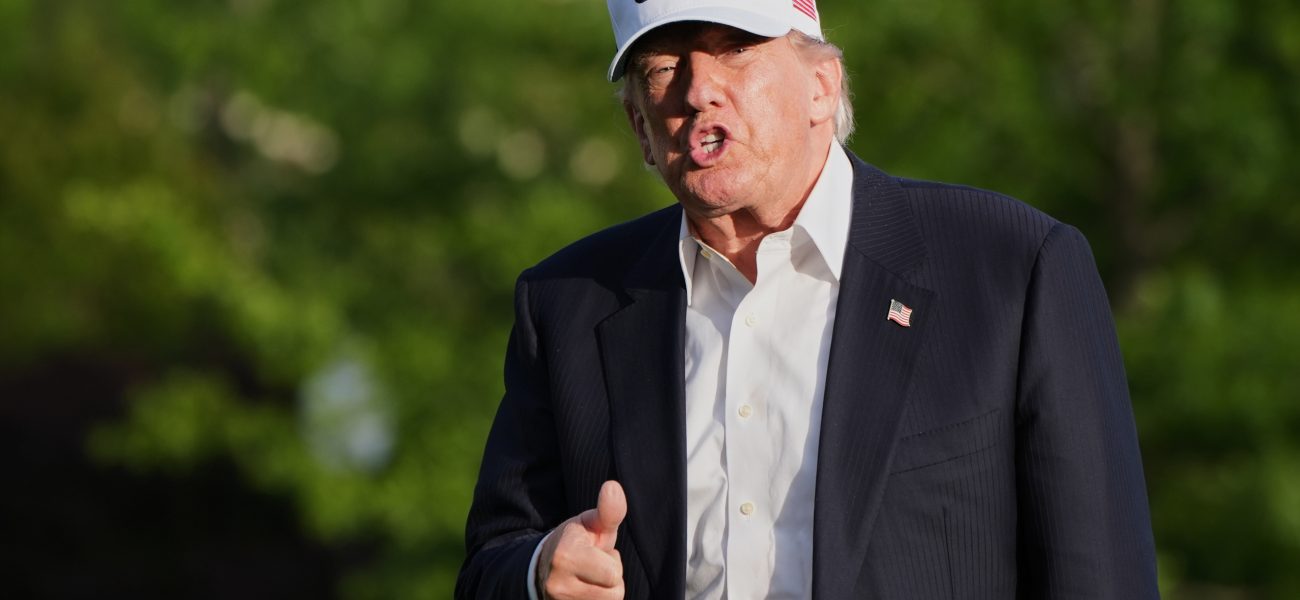
President Donald Trump, in a move that blindsided many — not least his own defense officials, sources suggest — announced via social media that he’d aborted strikes targeting several Iranian sites. This sudden change of heart, coming after days of soaring tensions following Iran’s downing of a U.S. reconnaissance drone, was attributed to concerns over potential casualties. “I asked how many would die,” Trump reportedly claimed, referring to Iranian personnel. “150 people. Bad optics. Real bad.”
Because that’s the public story, isn’t it? That a president—notorious for his unilateral tendencies—got cold feet over human cost. But inside the beltway, the chatter leans towards a far more pragmatic, albeit equally cynical, explanation: the profound discomfort of regional partners. Gulf nations, particularly Saudi Arabia and the UAE, while hawkish on Iran, dread an all-out shooting war right on their doorsteps. They don’t want the blowback, the shipping lane disruptions, or the inevitable ripple effects on oil prices, their primary economic lifelines. And you know what? That’s entirely sensible.
“Our allies in the region conveyed very strongly that a large-scale retaliatory strike could destabilize an already precarious situation beyond repair,” explained a senior State Department official, speaking on background. “Their concern wasn’t just Iranian retaliation against U.S. assets, but indiscriminate actions against shipping, infrastructure, or even their own territories. They didn’t want to get caught in the crossfire, and Washington, for once, listened.” It’s a remarkable admission of influence, if true, suggesting a degree of allied leverage not always acknowledged.
But others aren’t so sure. Because Iran isn’t just a problem for Washington; it’s a regional behemoth with a complicated web of proxies and influence that stretches from Lebanon to Yemen, and right into Pakistan’s volatile Balochistan province. A direct confrontation between the US and Iran would send shockwaves across the broader Muslim world, fueling extremist narratives and potentially destabilizing governments already grappling with internal pressures. For a nation like Pakistan, bordering both Iran and Afghanistan, an escalated conflict poses immense challenges—from managing potential refugee flows to contending with increased sectarian tensions that could spill across its already porous western frontier. Its military leadership has long stressed the need for regional stability; they certainly wouldn’t welcome a larger war on their eastern doorstep with India, let alone a conflagration with Iran. “Escalation serves no one, least of all countries trying to navigate an already complex neighborhood,” stated former Pakistani Foreign Secretary Riaz Khokhar, known for his straight talk on regional dynamics. “Pakistan would view any wide-scale military action with extreme alarm—it wouldn’t stay contained.”
And for those tracking the details, the numbers do speak. Global oil futures, for instance, saw an immediate dip following Trump’s announcement, having spiked by nearly 6% in the immediate aftermath of the drone downing—a tangible testament to the market’s knee-jerk fear of conflict in the world’s most critical oil chokepoint, the Strait of Hormuz. That’s real money, not just geopolitical chest-thumping.
What This Means
This episode, short-lived as the military phase might have been, changes very little in the overall calculus of US-Iran relations—it just adds another layer of weirdness. It means Washington might be willing to momentarily pull its punches, but the underlying tensions around Iran’s nuclear program, ballistic missiles, and regional influence haven’t vanished. Far from it.
For Gulf allies, it’s a double-edged sword. On one hand, it confirms their capacity to exert pressure on Washington, highlighting their indispensable economic and strategic role. On the other, it lays bare their vulnerability. They depend heavily on US protection but also fear its impulsive wrath. This tightrope walk between deterrence — and outright conflict is precarious, and everyone knows it. This decision didn’t magically resolve any issues. It just postponed a reckoning, leaving everyone—from Tehran to Riyadh to Islamabad—on edge. And for good reason.