


Buzzing Beyond Belief: Brentford’s Late Show Stuns Critics, Ignites European Hopes
POLICY WIRE — London, UK — The final whistle often brings relief, sometimes despair. But at Gtech Community Stadium on Sunday, it brought something far more unsettling for the Premier League’s...

POLICY WIRE — London, UK — The final whistle often brings relief, sometimes despair. But at Gtech Community Stadium on Sunday, it brought something far more unsettling for the Premier League’s old guard: the gnawing sensation that the established order might just be fracturing. This wasn’t about another comfortable win for a titan; it was about Brentford, a club pundits wrote off months ago, dragging themselves by their fingernails to a 2-2 draw with Crystal Palace, a result that, by all rights, they shouldn’t have gotten. And it wasn’t pretty. Not by a long shot.
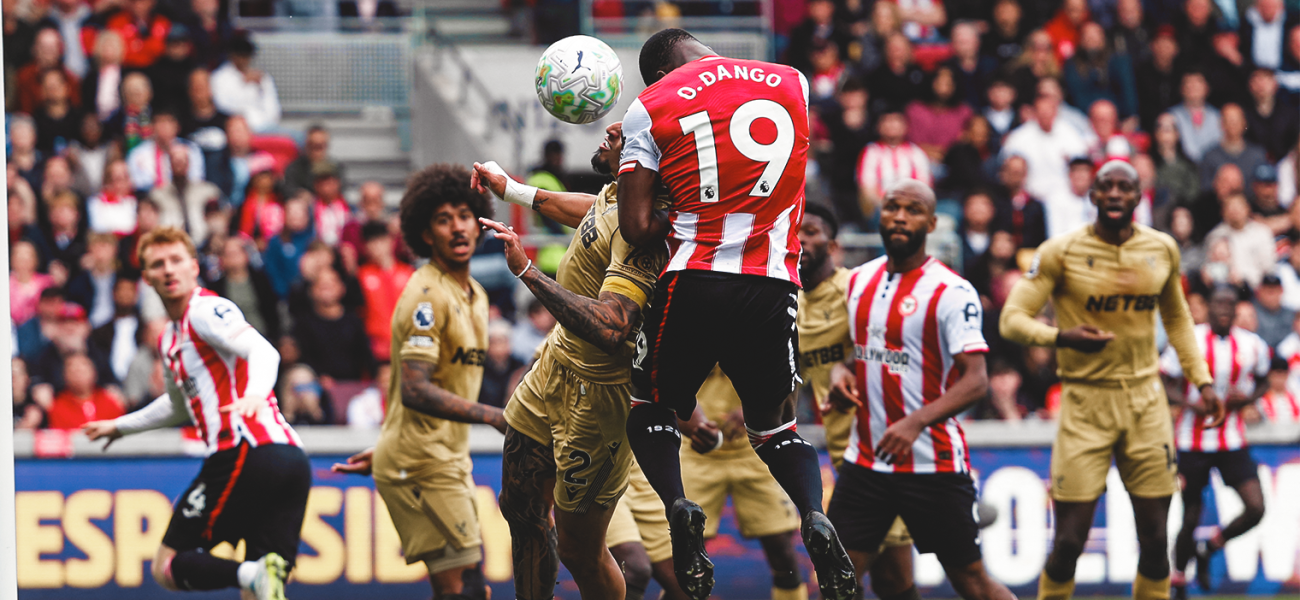
It was messy. Chaotic. Full of last-gasp interventions from a player, Dango Ouattara, who embodies the kind of improbable success that makes traditionalists gnash their teeth. The Burkina Faso international notched a double against the Eagles, an effort less about elegant playmaking and more about raw, unyielding intent. Seven goals and three assists in the top flight, plus five penalties won — more than any other player in Europe’s elite leagues, by the way. Those aren’t just numbers; they’re symptoms of a team refusing to lie down. Brentford’s campaign is starting to feel like a high-stakes poker game, where they’re consistently outplaying richer opponents with a bluff and a grin.
They found themselves behind, then levelled, then behind again. But, as any fan of the Bees will tell you, they’ve made an almost morbid habit of digging themselves out of holes. Ouattara’s late equaliser, an 88th-minute header after a proper aerial ping-pong sequence, felt less like a carefully crafted move and more like sheer force of will manifesting itself on the scoreboard. Nathan Collins, the team’s skipper, perfectly encapsulated the mood: “We’d thrown the kitchen sink at it. Everything we had.” He wasn’t wrong. That’s what it looked like.
Only Liverpool, with 20 late goals, have netted more Premier League goals than Brentford’s 19 after the 75th minute this season, according to official Premier League tracking data. Think about that for a second. That kind of statistic tells you something important about belief, about stamina, about a system. Coach Keith Andrews isn’t one for hyperbolic declarations, but even he allowed a sliver of pride to peek through. “This team, it’s got a relentless spirit. We plan for adversity because, in this league, it’s guaranteed. What we’re seeing is the belief in that plan – — and each other – truly paying off. You can’t fake that hunger.”
This relentless energy Ouattara brings? It’s not just injecting life into Brentford’s attack; it’s quietly transforming how clubs scout, how they build. It speaks to a global game where talent from places like Burkina Faso—not traditionally footballing powerhouses—is now commanding attention. It also shines a light on a subtle, yet profound, economic shift. These players, often overlooked by the big-money machines, represent shrewd investments. Their unexpected success sends ripples through emerging football markets, igniting aspirations in places as far-flung as Pakistan, where young footballers and fans devour every goal, every underdog tale from the Premier League. Global gambits, you see, aren’t just for politicians and economists; they’re unfolding on pitches week after week.
Because Ouattara alone has directly snagged seven Premier League points for the Bees this season with his decisive late interventions. That’s massive. And it explains why the buzz around their unexpected European chase isn’t just local chatter. Yes, Chelsea could theoretically push them down a spot, but an away trip to Anfield looms with a European qualification still a very real, very audacious, possibility. It’s a testament to more than just talent; it’s about strategy, about a collective identity forged in the crucible of expectation management, or rather, the complete dismissal of it.
What This Means
For Brentford, European football wouldn’t just be bragging rights; it’s a seismic financial uplift. We’re talking millions in prize money, broadcast revenues, and an enhanced global profile that can attract better talent and lucrative sponsorship deals. It validates a ‘moneyball’ approach to club management: identifying undervalued assets (players like Ouattara, from overlooked leagues or nations) and maximizing their collective impact. But it’s also a stark warning to the Premier League’s behemoths. The era of comfortable dominance is waning. Smarter recruitment, tenacious coaching, — and sheer bloody-mindedness are proving potent equalizers. The narrative isn’t just about who can spend the most anymore; it’s about who can think differently, who can extract the most from less. And when teams from regions previously on the periphery of football’s commercial mainstream, like many in the Muslim world, see clubs like Brentford—with their global, diverse squad—succeed, it signals a broader democratization of sporting ambition. It means more eyes, more investment, — and ultimately, a more competitive, intriguing landscape for everyone watching.