


Mountaintop Meltdown? RCB’s Sudden Captaincy Shuffle Rocks IPL’s Summit Clash
POLICY WIRE — Dharamsala, India — Dharamsala’s crisp mountain air usually whispers tales of spiritual solace. But today, it carries the distinct, sharp tang of corporate high-stakes drama. For...

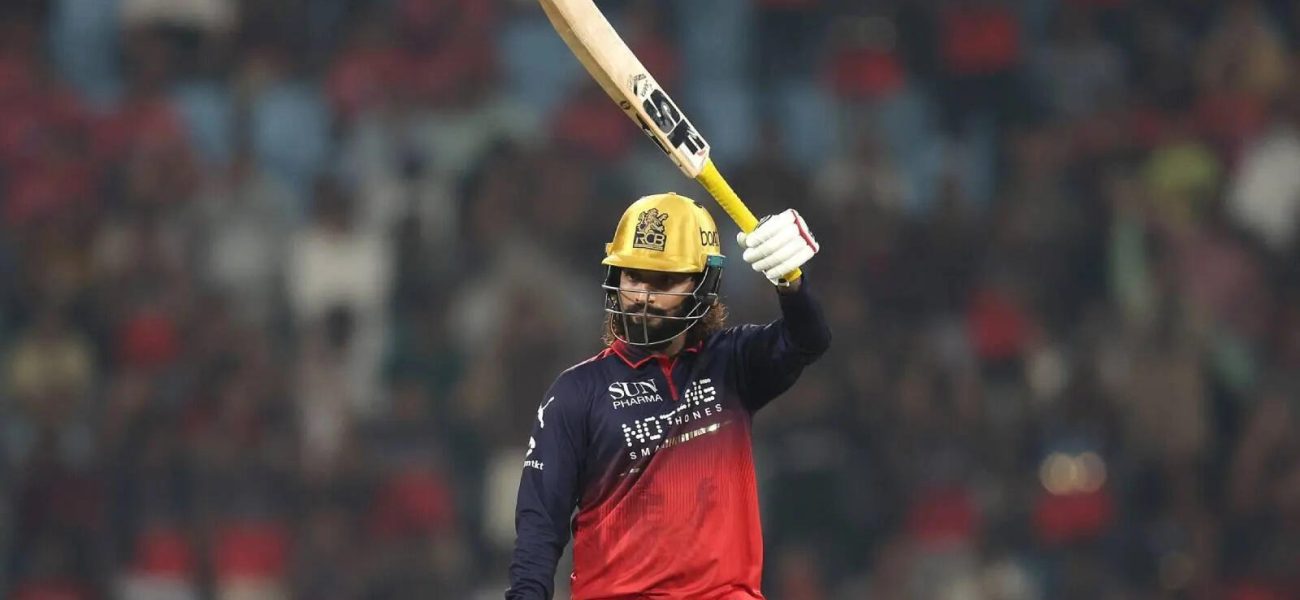
POLICY WIRE — Dharamsala, India — Dharamsala’s crisp mountain air usually whispers tales of spiritual solace. But today, it carries the distinct, sharp tang of corporate high-stakes drama. For Royal Challengers Bengaluru (RCB), even perched atop the IPL standings, that drama just ratcheted up a notch, or ten. What promised to be a triumphant march towards the playoffs has instead morphed into a tactical scramble, as the squad arrives without their dynamic skipper, Rajat Patidar, forcing an unexpected leadership baton-pass.
It’s not just a missing player; it’s the architect of their current swagger, gone. Patidar, an innings-builder whose bat often sounded like a cash register — consistently hitting boundaries, tallying an impressive 326 runs in just 10 innings this season at a blistering strike rate of 195, per league analytics — is out of Sunday’s crucial encounter against Punjab Kings. His absence wasn’t even hinted at until travel videos emerged, Patidar nowhere to be seen, then followed by missed practice sessions. No official injury report has materialized, leaving the cricketing punditry — and an anxious fan base — to speculate on the nature of this sudden vanishing act.
Wicketkeeper-batsman Jitesh Sharma, a man accustomed to the sudden demands of T20 cricket but less so to the burden of captaincy, now finds himself thrust into the hot seat. It’s a job usually reserved for more seasoned figures, especially in such a high-octane tournament. But here we’re. Sharma will lead the defending champions in the much-anticipated rematch of last season’s final, a game where RCB, for once, actually lifted a trophy.
“It’s an unexpected challenge, sure. You don’t train for these sudden detours,” Sharma admitted to Policy Wire, his voice betraying a hint of nerves mixed with resolve. “But this team, it thrives on challenge. We’ve got the talent, the fire. My job’s just to steer the ship for this one game, keep our momentum — that’s all that matters now, frankly.”
But momentum, like mountain weather, can be fickle. Because it isn’t just Patidar who’s missing. English opener Phil Salt remains sidelined by a finger injury, a gaping hole at the top of the order that fellow countryman Jacob Bethell has been attempting to fill, partnering with the seemingly ageless Virat Kohli. These aren’t small cogs; they’re major engines. Their combined absence could seriously recalibrate RCB’s playoff aspirations, even as they currently hold the league’s top spot.
“Look, no one wants to sit out, especially when the stakes are this high,” Patidar communicated via his agent, a note of palpable frustration leaking through the polite phrasing. “It’s frustrating, absolutely. But I’m focused on my recovery, doing what the physios say. I’ll be back for that Hyderabad game, God willing, ready to finish what we started. You’ll see.” His projected return for RCB’s final league fixture suggests the issue, whatever it’s, isn’t trivial.
The sudden reshuffle hands the reins of power — and immense pressure — to Sharma, a man whose primary role has been behind the stumps and chipping in with quick runs. He’s tasked with navigating a side currently fielding Jacob Bethell, Kohli, Devdutt Padikkal, Venkatesh Iyer, Tim David, Romario Shepherd, Krunal Pandya, Bhuvneshwar Kumar, Josh Hazlewood, and Suyash Sharma. It’s a potent mix, yes, but one that relies heavily on a fixed pecking order — and consistent roles. Now, those are up in the air.
📄 POLICY WIRE WHITEPAPER PUBLISHED: PAKISTAN'S NATIONAL SECURITY POLICY PRIORITIES
👉 READ BY CLICKING HEREThe Punjab Kings, on the other hand, enter the fray with their own challenges, though perhaps none as dramatically imposed. Their playing XI includes Priyansh Arya, Prabhsimran Singh, Cooper Connolly, Shreyas Iyer (c), Suryansh Shedge, Shashank Singh, Azmatullah Omarzai, Harpreet Brar, Lockie Ferguson, Arshdeep Singh, and Yuzvendra Chahal. They’re a side hungry for redemption, facing a weakened, albeit still formidable, opponent on their home turf. Dharamsala, in these moments, feels less like a quiet retreat and more like an arena where corporate giants clash under the guise of sport.
What This Means
This isn’t just about a captain sitting out a game; it’s a window into the relentless, unforgiving economics of modern T20 cricket, especially in South Asia. The IPL, a billion-dollar juggernaut, demands absolute perfection and consistent availability from its assets — the players. When a star like Patidar, particularly one with such a phenomenal strike rate, suddenly vanishes, it triggers immediate economic tremors through brand valuations, broadcast rights projections, and crucially, team morale.
For RCB, it’s an uncomfortable reminder that even at the peak of their performance, external factors can inject volatility. A misstep now could easily send them tumbling from the top, jeopardizing playoff spots and the lucrative rewards that follow. This instability, though short-term, echoes far beyond the boundaries of Himachal Pradesh. Consider Pakistan, for instance; while Pakistani players are barred from the IPL, the league’s commercial success and sporting drama deeply influence cricket development and viewership across the Muslim world and broader South Asian diaspora. Young cricketers, from Karachi to Chittagong, watch these games with a keen eye, dreaming of similar stages. The narrative of triumph over adversity, or the bitter taste of missed opportunities, fuels regional aspirations and frustrations alike.
A defeat here, fueled by this chaotic change, isn’t just a loss in the points table. It’s a hit to brand perception, a whisper of weakness that can haunt a franchise all season long. It demonstrates the brutal truth that in this league, the only constant is change, and often, that change isn’t welcome. It’s a very real test of RCB’s depth — and Jitesh Sharma’s sudden, unexpected leadership mettle — under the glare of millions.