


Shadow of Hunger: Aid Workers Caught in Gaza’s Unrelenting Storm
POLICY WIRE — Gaza City, Palestine — Another dinner service won’t happen tonight. The pot, if it survived, sits cold. For many in Gaza, the daily struggle isn’t about tomorrow’s...

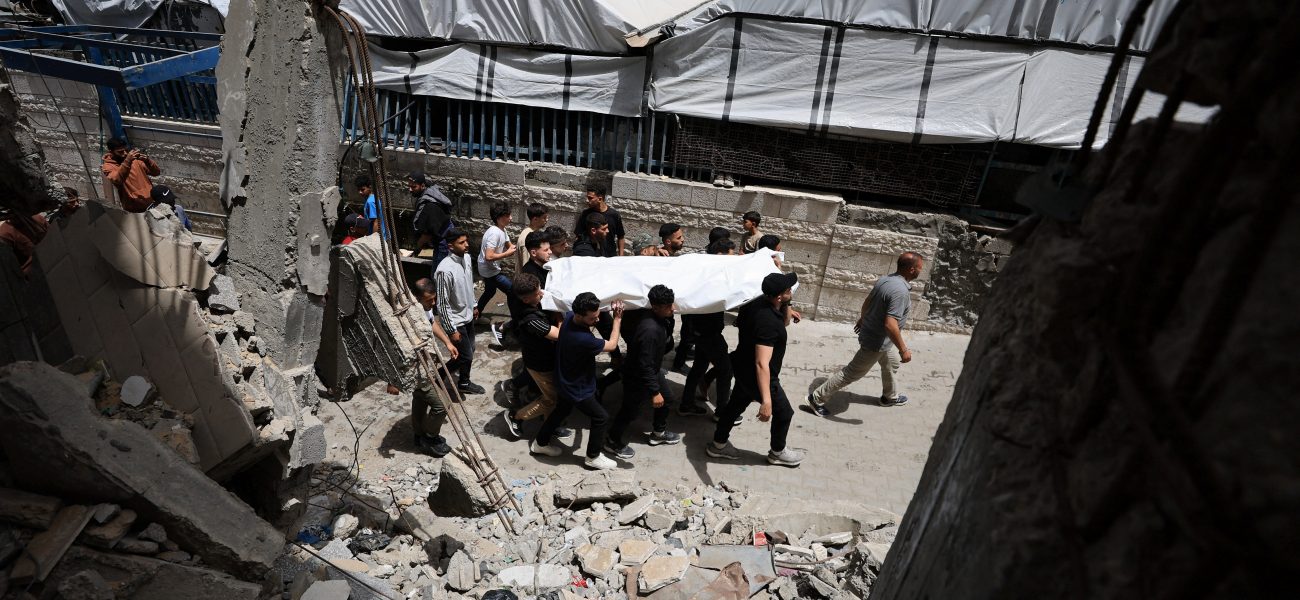
POLICY WIRE — Gaza City, Palestine — Another dinner service won’t happen tonight. The pot, if it survived, sits cold. For many in Gaza, the daily struggle isn’t about tomorrow’s policy brief or quarterly earnings. It’s about food, pure and simple—and whether the hand reaching for it, or preparing it, will still be there to do so. That harsh reality hit home again with a gut-wrenching thud when five individuals, including three unsung heroes of a local community kitchen, were snatched by a military strike. It wasn’t on a battlefield, but in the desolate maze that’s modern Gaza.
It’s a story we’ve heard too often: bodies retrieved from rubble, lives extinguished, and a swift, often murky, blame game that follows. In this instance, reports from local health authorities point to an Israeli aerial strike as the grim orchestrator of this latest tragedy. Three of those killed were simply trying to cook, to feed neighbors. The other two? Their roles remain less clear, but one thing is painfully clear: they weren’t combatants. They were civilians, trying to stave off starvation for others. It’s a bitter pill to swallow for anyone paying attention.
And what exactly does this kind of incident do? It rips at the already threadbare fabric of humanitarian aid. Because how do you convince someone to brave bombardment, navigate choked checkpoints, or simply step out their front door to help when the very act of benevolence becomes a death sentence? You can’t, not truly. This isn’t just about three kitchen workers. It’s about the eroding norms of war, the casual disregard for civilian life, and the ever-shrinking space where humanity can still try to exist. There isn’t a safe zone, not really. Every square inch, it seems, has become a potential target. Just ask the doctors, the journalists, or, yes, the folks cooking lentils for their neighbors.
From Ramallah to Rawalpindi, the condemnations piled up, almost predictable in their righteous fury. Dr. Zafar Mirza, Pakistan’s former health minister — and a seasoned humanitarian, didn’t mince words. “Every international law, every humanitarian principle, is being pulverized on the streets of Gaza,” Mirza asserted to Policy Wire. “These aren’t errors; these are catastrophic failures of humanity that demand — I stress, demand — an immediate, impartial inquiry. It’s an utter abomination.” You see, Pakistan, a country deeply invested in the plight of the broader Muslim world, often echoes these sentiments, amplifying the voices of the besieged through its diplomatic channels. It’s not just a regional concern; it’s a global one.
But the Israeli narrative, as it always does, offers a different vantage point. Rear Admiral Daniel Hagari, the spokesperson for the Israeli Defense Forces, addressed similar incidents recently, emphasizing operational necessity. “We operate in a complex, asymmetric environment where Hamas deliberately embeds itself within civilian infrastructure. While we deeply regret any loss of innocent life, our priority is neutralizing the threat,” Hagari reportedly stated during a press briefing, implicitly referring to the challenges of differentiating targets in densely populated areas. It’s a familiar refrain, one that rarely satisfies those mourning.
This incident comes on the heels of numerous other attacks on aid workers. According to UN reports, over 200 humanitarian personnel have been killed in Gaza since October 7, 2023, making it one of the deadliest conflicts for aid providers in modern history. Think about that for a second. Two hundred humanitarians—gone. That’s not a rounding error. That’s a system collapsing.
📄 POLICY WIRE WHITEPAPER PUBLISHED: PAKISTAN'S NATIONAL SECURITY POLICY PRIORITIES
👉 READ BY CLICKING HEREWhat This Means
This latest tragic incident isn’t just another bullet point in a grim casualty count; it represents a deepening crack in the international framework designed to protect non-combatants and aid workers. Politically, it complicates what little diplomatic maneuvering room remains. Governments—even allies—find it harder to defend actions when civilian fatalities, particularly of those providing succor, become so tragically frequent. For aid organizations, it means re-evaluating risk assessments that were already stretched past their breaking point. Fewer hands, more hungry mouths—that’s the grim arithmetic. And the ripple effects? They spread far beyond Gaza. Countries like Pakistan will continue to pressure international bodies, potentially leading to increased diplomatic isolation for Israel on certain fronts. Economically, aid inflows will stutter, worsening an already dire humanitarian crisis and pushing the Strip closer to famine. It’s not just about what happens in Gaza, you know? It affects donor fatigue, aid budgets, — and global priorities. Nobody wants to be pouring resources into an open wound where the caregivers themselves are targeted. It’s a lose-lose scenario, accelerating an already profound human catastrophe while pushing the prospects for any kind of lasting peace or resolution further out of reach.
But the immediate consequence is felt most keenly by the people in Gaza. They’re stuck between a rock — and a harder place, fighting for scraps, always under the gun. And sometimes, even just the act of putting a meal on a plate is enough to sign your own death warrant. It’s a world turned upside down, — and it feels like there’s no end in sight. The iron defenses are great, but they don’t solve this very human problem.