


Premier League’s Quiet Epitaph: Everton, Sunderland Write Their Own Finále to Frustration
POLICY WIRE — Liverpool, England — For all the millions splashed across the velvet green fields of England’s top flight, sometimes a football match is just… a football match. And on a...

POLICY WIRE — Liverpool, England — For all the millions splashed across the velvet green fields of England’s top flight, sometimes a football match is just… a football match. And on a placid Sunday in late May, with the English spring trying its best to be convincing, the encounter between Everton and Sunderland at the shimmering Hill Dickinson Stadium felt like precisely that: a perfectly perfunctory footnote to seasons that promised—and often delivered—little beyond a polite shrug.
It’s the kind of fixture you’d forgive a neutral fan for glossing over. Not a title decider, not a relegation dogfight—just two clubs, comfortably mid-table, performing their final professional obligation of the 2025/26 Premier League calendar. And yet, this seemingly innocuous game tells a stark story about the economics of expectation and the enduring, perplexing nature of inconsistency in football’s gilded cage.
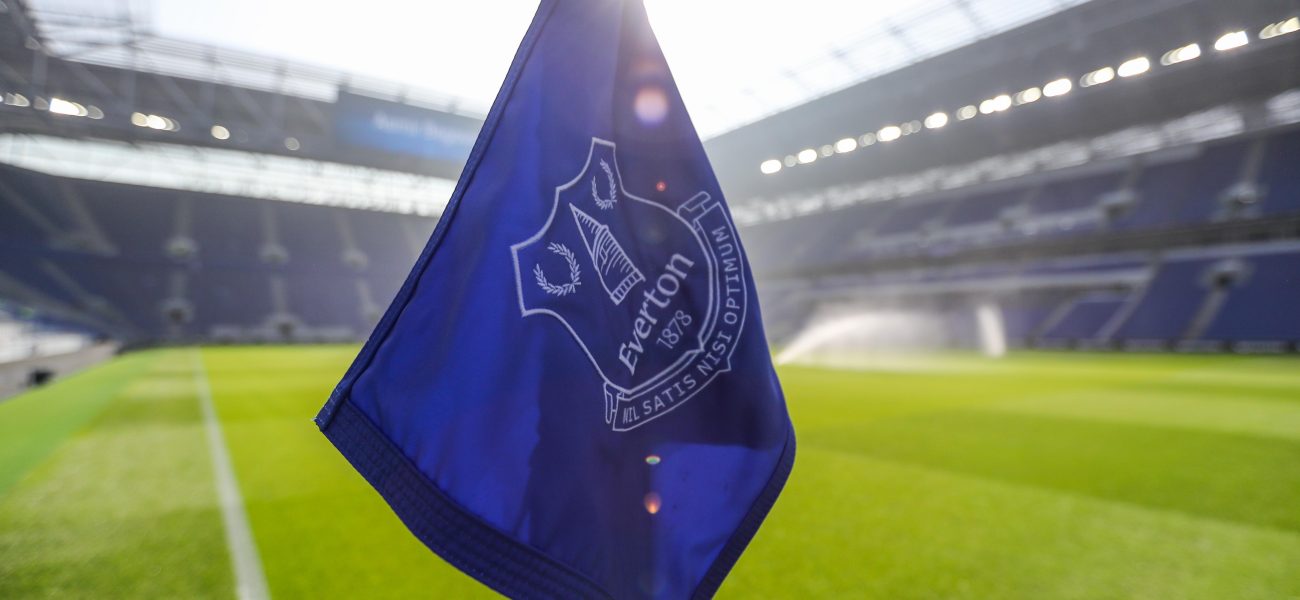
Both teams arrived at this endpoint after journeys that were, if nothing else, relentlessly unpredictable. Everton, celebrating its inaugural season in the impressive, state-of-the-art Hill Dickinson Stadium, has been the very definition of a footballing paradox. “It’s tough, isn’t it?” pondered Everton manager Sean Dyche, known for his no-nonsense appraisals. “You look at the talent, the infrastructure we’ve got here, and you just know we could’ve — should’ve — done better. It’s about bottling that fleeting brilliance, turning inconsistency into dominance, or at least respectable stability. We just haven’t managed it.” His side hasn’t strung together more than two consecutive wins, draws, or losses all season—a dizzying dance between triumph and despair. They’d eye the European spots, then trip on their shoelaces.
Sunderland, on the other hand, embarked on a trajectory of self-sabotage, an inverted parabola of form. They opened the campaign like world-beaters, dropping only four points in their first twenty league matches, which had them rubbing shoulders with the league’s aristocracy. But then, the wheels—or perhaps the entire engine block—fell off. Having lost half of their last sixteen games, they now find themselves wallowing in the lower half of the standings, a far cry from their early promise.
“You watch us in October, you’d think we were contenders, right?” lamented Sunderland’s manager, Michael Beale, a hint of weary amusement in his voice. “Then comes Christmas, — and suddenly we’re a different team, losing games we shouldn’t. It’s a young squad, but that doesn’t excuse such a dramatic drop-off. We’ve learned some harsh lessons, let’s put it that way. Lessons I hope we don’t need to learn again next season.” It’s a classic tale: early ambition giving way to grinding reality.
Bookmakers, those astute chroniclers of perceived destiny, have tipped Everton for the win at 5/6, while Sunderland are the distant 3/1 underdogs. The draw, which happened twice already this season between these clubs, clocks in at 13/5. But for all the numerical projections, the outcome feels less about tactical supremacy and more about who shows up, metaphorically speaking, with less emotional baggage. Because honestly, the pressure’s off. Maybe that frees them up, or maybe it just reinforces the nonchalance. And a quick glance at their previous meeting here, an FA Cup clash back in January, saw Sunderland emerge victorious in a penalty shootout after a 1-1 draw—a genuine surprise in front of an impressive 51,588 fans, according to stadium attendance records. Will this one garner similar excitement? Probably not.
📄 POLICY WIRE WHITEPAPER PUBLISHED: PAKISTAN'S NATIONAL SECURITY POLICY PRIORITIES
👉 READ BY CLICKING HEREWhat This Means
This mid-table dance, while devoid of immediate drama, casts long shadows over both clubs’ strategic futures. For Everton, the glitzy new stadium represents a huge investment, an aspirational statement that requires consistent top-half finishes—and ideally, European qualification—to truly pay dividends. A season of such erratic performance is a hard sell to new sponsors, potential investors, and, crucially, a fanbase desperate for something more concrete than fleeting brilliance. They’re at a crossroads: solidify their status, or risk their new home becoming an echoing testament to unfulfilled potential. Economically, their broadcasting revenues won’t surge if they hover here; they need that next tier.
Sunderland faces a different, though equally vexing, challenge. Their early season form likely swelled global viewership figures, particularly across key developing markets like Pakistan, where Premier League allegiances run deep and are often influenced by underdog narratives and exciting football. A strong start like theirs captivates audiences, leading to increased merchandise sales and an expanded digital footprint. But the subsequent slump erodes that newly built goodwill, making it harder to convert casual observers into loyal consumers. The business model of modern football relies heavily on global appeal — and sustained performance. When a team sputters, those critical streaming revenues and advertising dollars can stagnate.
Ultimately, this game serves as a bitter epitaph to both sides’ seasons. It’s a reminder that talent, money, and grand arenas don’t automatically guarantee success or even a semblance of consistency. Instead, they’re just expensive ingredients waiting for the right chef to combine them into something truly memorable. And neither Everton nor Sunderland found that recipe this year. They merely kept us guessing.