


The Ballad of Gnonto: Italy’s Prodigal Son Courts Bundesliga Redemption Amidst Global Game’s Crosscurrents
POLICY WIRE — London, UK — Here’s a riddle for you: when is a sporting superstar less a titan of the pitch and more a piece of geopolitical futures trading? When the Bundesliga comes knocking...

POLICY WIRE — London, UK — Here’s a riddle for you: when is a sporting superstar less a titan of the pitch and more a piece of geopolitical futures trading? When the Bundesliga comes knocking for an Italian ‘wonderkid’ buried in England’s second-tier. It isn’t just about who scores goals, is it? It’s about national prestige, commercial pull, and the cold, hard calculus of market forces that churn through talent faster than most folks change their socks. And Wilfried Gnonto, bless his gifted feet, is merely the latest commodity on this particular global exchange.
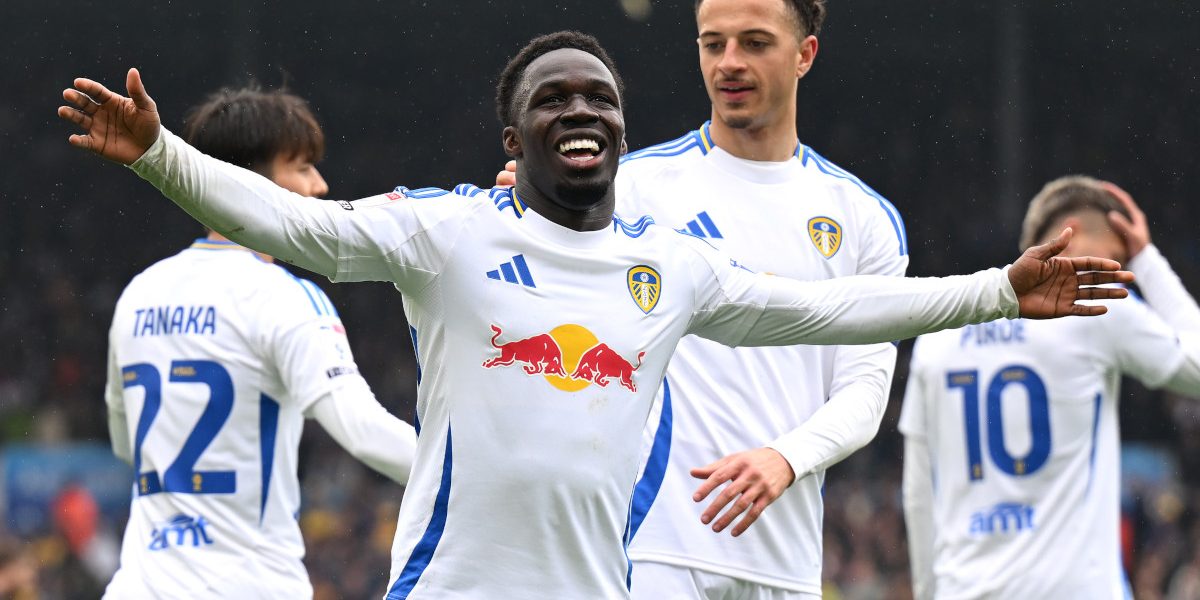
Whispers out of Germany confirm it: SC Freiburg, a club known more for shrewd deals than headline-grabbing extravaganzas, is pulling out all the stops for the 22-year-old forward currently languishing—a harsh, but fitting word, wouldn’t you say?—at Leeds United. After his meteoric rise, a brief flash for Italy that saw him net a national record for youngest scorer at just 18 years and 222 days during a Nations League rout of Germany, he’s slipped off the Azzurri’s radar. Imagine that: Europe’s grandest stage, then relegation dogfights. The brutal theater of professional football offers little solace for the forgotten.
Now, they’re pushing hard for what could be a career rebirth, or maybe another wrong turn on an already winding path. Leeds, frankly, seems keen to cut ties, with reports suggesting they’d take a permanent transfer or even a loan-to-buy arrangement. It’s a calculated gamble for Freiburg, banking on the unfulfilled potential of a player who, just a few seasons back, looked destined for something grander. Football’s like that, though. One moment you’re gracing front pages, the next you’re a footnote in someone’s contract negotiations.
“Look, sometimes young talent needs a different environment, a change of pace to truly shine,” remarked Klemens Hartenbach, SC Freiburg’s usually tight-lipped Sporting Director, in a carefully worded statement provided to Policy Wire through a club liaison. “We’re confident in our philosophy of developing players, of giving them the trust they need. We see immense quality in Gnonto; his ability is undeniable. It’s not always a straightforward operation, but we wouldn’t be pursuing it if we didn’t believe it could be special.” And special, in football parlance, usually means both skillful *and* commercially viable. Always.
But the story of a forgotten talent isn’t unique to European pitches. You see it globally. Youngsters from emerging football markets, perhaps a hopeful lad from Lahore’s bustling academies dreaming of European glory, often face the same treacherous gauntlet of fleeting opportunity, intense pressure, and market demands. Gnonto’s journey, from his breakthrough to this potential German resurrection, mirrors the dreams and harsh realities facing countless players who seek their fortune away from home. They chase the dream in Germany, in France, in England, knowing that one poor season, one unfortunate injury, can send their trajectory spiraling downwards.
And it’s a sobering thought when you consider that since his much-lauded arrival at Leeds in 2022, Gnonto has logged just two goals and seven assists across 45 Premier League appearances before finding himself relegated. It’s a raw statistic, a snapshot of promise unfulfilled, that highlights the unforgiving nature of top-tier football. Even players with 13 international caps, as he accumulated between 2022 — and 2023, aren’t immune to the churn. Policy Wire previously touched on similar shifts in athletic futures and financial speculation; this is merely another iteration on a grander stage. Phantom Forecasts: The Curious Case of Gridiron Prophecy Three Years Out offers some context.
📄 POLICY WIRE WHITEPAPER PUBLISHED: PAKISTAN'S NATIONAL SECURITY POLICY PRIORITIES
👉 READ BY CLICKING HERERoberto Mancini, Gnonto’s former national team coach who first called him up to the senior squad, reportedly expressed a measured view when queried. “Wilfried was always eager, a fast learner. But the Premier League is a brutal teacher, it really is. It takes time, patience, — and a thick skin. For a young man to move countries, to be under that intense spotlight so quickly… sometimes you need a fresh start to remember who you are on the pitch.” That’s a diplomatic way of saying the pressure got to him, wouldn’t you say? Because it certainly felt that way.
What This Means
This potential transfer is more than just a footballer switching clubs. It’s a microcosm of the modern football economy—a relentless machine that values immediate impact over patient development. Clubs like Freiburg, operating outside the glitzy financial strata of Premier League behemoths, must unearth and polish these diamonds in the rough. Gnonto’s tale speaks to the precariousness of sporting careers, where an athlete’s stock can plummet faster than cryptocurrency. For the Bundesliga, it’s a smart, low-risk way to inject talent. For Gnonto, it’s a last-ditch effort to reignite a career that flickered bright then faded, hoping the more methodical, less frenzied German system can be his salvation. Economically, these movements affect club valuations, sponsorship deals, and even local economies, shaping a transfer market worth billions. But nationally, particularly in countries like Pakistan where the game’s popularity is swelling, a visible journey like Gnonto’s – from starlet to struggler and hopefully, to redemption – can inspire new generations, proving that football is an accessible, if unforgiving, global arena. It isn’t just about winning titles; it’s about navigating global labor markets for highly specialized, often young, professionals. Check out Gorakhpur’s Granite Gambit for another take on culture and sport.
The upcoming transfer window isn’t just a period for player reshuffles; it’s a geopolitical ballet where potential, price, and reputation dance a precarious jig. Gnonto is currently dancing right on the edge of that stage. Let’s see if Germany gives him a new rhythm.