


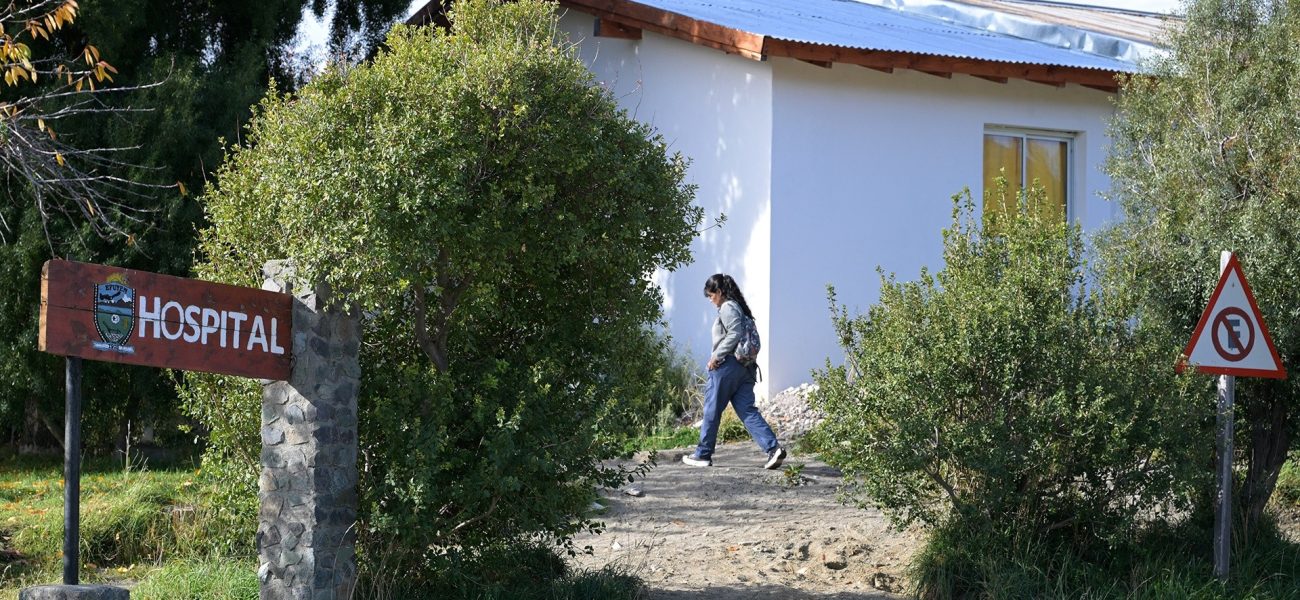
When the Air Turned Venomous: An Argentine Mountain Town’s Harrowing Contagion Fight
POLICY WIRE — Epuyén, Argentina — The mountain wind here, usually a crisp companion to the cypress and pine, can be deceptive. It whispers tales of trout streams and artisanal jams, but in late 2018,...

POLICY WIRE — Epuyén, Argentina — The mountain wind here, usually a crisp companion to the cypress and pine, can be deceptive. It whispers tales of trout streams and artisanal jams, but in late 2018, it seemed to carry something far more sinister, an invisible, virulent specter that forced an entire Patagonian hamlet into an unthinkable state of siege. Not a cartel war, not economic collapse. But something microscopic.
Epuyén, a pocket of quiet resilience nestled deep in Chubut province, found itself at the epicenter of a public health nightmare—a Hantavirus outbreak unique not just for its ferocity, but for its frighteningly rare characteristic: person-to-person transmission. And just like that, the gentle pace of life here shattered. Homes became fortresses; neighbors eyed each other with a grim mix of compassion — and primal fear. It wasn’t just about avoiding rat droppings anymore; it was about avoiding each other. Talk about a social distancing curveball.
The conventional wisdom on Hantavirus had always pointed to zoonotic spread, meaning contact with infected rodents or their waste. But Epuyén bucked that trend. Because when dozens fell ill and nearly a third died, epidemiologists stared slack-jawed at a brutal reality: the virus, for some grim reason, was jumping from human to human. The provincial health ministry, initially reeling, enacted a containment strategy straight out of a textbook no one wanted to open. Strict quarantines were imposed, isolating contacts, even entire families. It wasn’t popular, let’s be frank. But it was necessary. Sometimes, you don’t get a polite invitation to the global health crisis club; you just get shoved in.
“We acted with a speed — and aggression rarely seen,” declared Dr. Gerardo Merino, Argentina’s then-Secretary of Health for Patagonia, reflecting on the grim period. “You’ve got to cut the transmission chain—swiftly, mercilessly—when something like this emerges from the shadows. Every day, every hour counted. Our communities, especially those far-flung, don’t have layers of healthcare infrastructure to fall back on; it’s frontline, raw combat.” He’s not wrong. For these communities, getting a specialist might mean a day’s journey.
But the measures were economically punishing. Tourism, the lifeblood for many in Epuyén — and neighboring towns, dried up. Roads closed. Schools emptied. And paranoia became an uninvited guest at every dinner table. Small businesses folded. Folks weren’t buying jams or handmade woolen goods; they were just trying to stay alive. The local mayor, Antonio Soto, faced an impossible task: keep his people safe while also preventing their livelihoods from crumbling. “It was like being asked to drain the lake while standing in a boat with a hole,” Mayor Soto confided recently, his voice still carrying the weight of 2018. “The sheer isolation, the stigma. People suffered deeply, but they also showed an unbreakable spirit. We pulled through, but it scarred us, you know?”
📄 POLICY WIRE WHITEPAPER PUBLISHED: PAKISTAN'S NATIONAL SECURITY POLICY PRIORITIES
👉 READ BY CLICKING HEREThe statistics paint a stark picture: Hantavirus Pulmonary Syndrome (HPS), caused by New World hantaviruses, boasts a case fatality rate hovering around 38% globally, according to the U.S. Centers for Disease Control — and Prevention. That’s not a sniffle; that’s a killer. And when you add human-to-human transmission into that equation, even a town like Epuyén, with its sparse population, quickly becomes a tragic case study. The total confirmed cases topped thirty-four, — and at least twelve lives were lost. Not a big number by megacity standards, perhaps, but devastating for a community that counts its residents in the hundreds.
What Epuyén endured is a stark reminder that globalization of pathogens isn’t just about direct flights into capital cities. It’s about unexpected evolutionary leaps, environmental changes, — and the sheer unpredictability of viral behavior. And it’s a harsh echo for communities globally grappling with precarious access to advanced healthcare, from remote villages in Pakistan’s rugged northern territories to the sprawling, underdeveloped regions of Sub-Saharan Africa. The resilience seen in places like Epuyén, facing not just a deadly pathogen but also economic desolation and societal fracturing, offers lessons that transcend geography.
What This Means
Epuyén’s experience isn’t just an anecdote; it’s a brutal blueprint for future outbreaks, particularly those defying conventional understanding. Politically, it showcased the absolute necessity of decisive, often unpopular, governmental intervention in a crisis—the kind that cuts through bureaucratic red tape faster than a hot knife through butter. It exposed the stark disparities in health infrastructure, highlighting how remote regions often pay the highest price when disease strikes. For federal governments, the quiet, isolated corners of their nations require more than just occasional thought; they need robust, agile health support systems that can scale rapidly from zero to existential threat. Economically, the Hantavirus ordeal illuminated the fragility of tourism-dependent regions when faced with contagion and the psychological barriers that remain long after the physical threat recedes. The ‘all-clear’ doesn’t instantly bring back the tourists or repair broken trust. There’s an enduring economic scar, a lingering sense of precarity, even today. It tells us that global health preparedness isn’t merely about vaccine development or city hospitals. It’s about empowering local leadership, fostering community trust in dire times, and recognizing that even a distant threat can have profound, long-lasting consequences for human well-being and economic stability—lessons we forget at our collective peril. And the rain, it just keeps coming, sometimes going rogue, whispering new threats.