


The Hardwood’s Long Shadow: San Antonio’s Playoff Run and the Quiet Economics of Regional Pride
POLICY WIRE — Albuquerque, N.M. — The flickering glow of a television screen in a modest Albuquerque living room — miles from the clamor of the Alamodome or even the gleaming Frost Bank Center —...

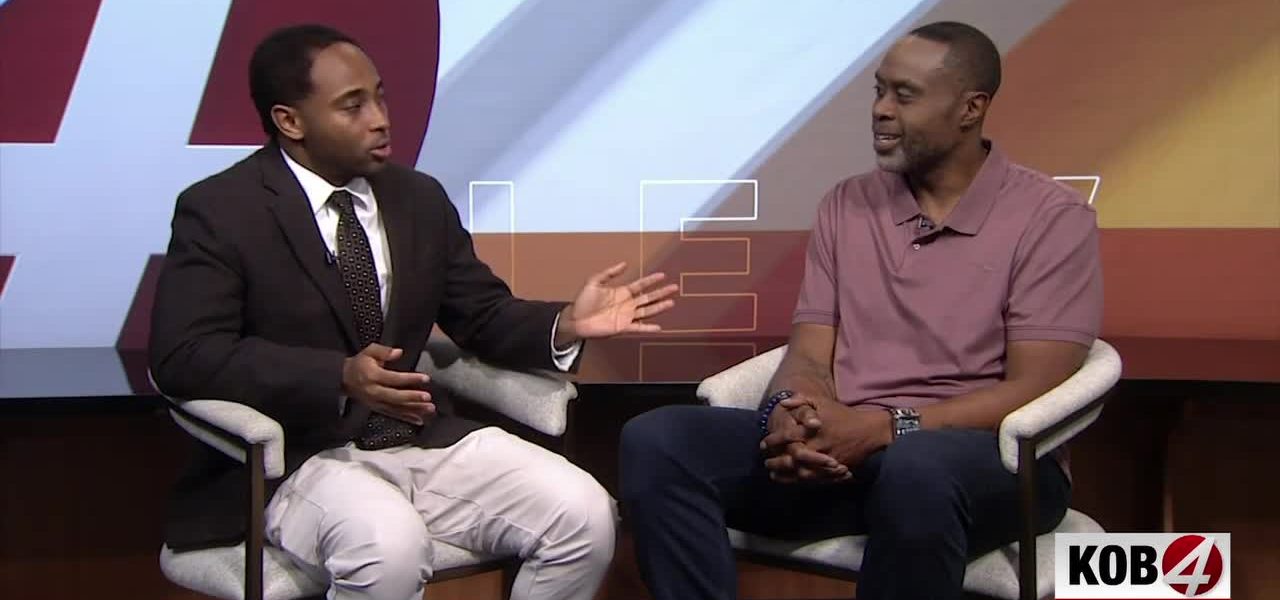
POLICY WIRE — Albuquerque, N.M. — The flickering glow of a television screen in a modest Albuquerque living room — miles from the clamor of the Alamodome or even the gleaming Frost Bank Center — tells a deeper story than mere scores. It’s a narrative not about dribbles and dunks, but about economic ripples, regional identity, and the surprising magnetism of sports, even across state lines. The San Antonio Spurs are just one win shy of another Western Conference Finals berth, having absolutely thumped the Minnesota Timberwolves by a roughly thirty-point spread, and folks in New Mexico are paying attention. A whole lot of attention.
Because, really, when you get right down to it, sports franchises aren’t just entertainment. They’re economic engines, sometimes clunky, sometimes humming, but always burning through local resources and generating something beyond ticket sales. What Albuquerque’s KOB.com highlighted isn’t just a sports outcome; it’s a testament to the diffuse, almost invisible, way a Texas team can capture the imagination—and pocketbooks—of New Mexicans. That San Antonio win? It wasn’t just two points in a season. It was another little jolt of civic pride, another boost for San Antonio’s city brand that’s felt hundreds of miles north, maybe prompting a quick Google search for hotels in the River City, just in case.
This playoff surge doesn’t happen in a vacuum. It triggers a cascade, igniting local businesses. Think of the restaurants, bars, and merchandise shops—all feeling that familiar bump. Economists term this the ‘multiplier effect,’ — and sports excels at it. According to the San Antonio Convention & Visitors Bureau, major Spurs playoff runs can inject upwards of $10 million into the local economy per round through direct spending on hospitality and tourism. That’s not chump change. That’s real money flowing through small businesses, keeping folks employed. And it’s precisely this kind of economic ripple San Antonio has quietly perfected over its dynastic decades.
It’s why elected officials don’t just send polite tweets after big wins. They stake their own political capital. “This isn’t just basketball; it’s our city’s identity, our spirit, on full display,” commented San Antonio Mayor Ron Nirenberg, his voice brimming with a politician’s practiced enthusiasm, but an honest current of pride. “Every victory rallies our community, boosts our small businesses, and frankly, puts San Antonio squarely on the national stage as a vibrant place to live, work, and yes, cheer.” He’s not wrong, of course. Sports success breeds recognition.
But the allure isn’t confined to city limits. Even New Mexico has a vested interest. “The Spurs represent a regional touchstone for sports fans across the Southwest,” explained New Mexico State Tourism Director Maria Delgado, during a recent press conference addressing interstate tourism trends. “When a team like San Antonio does well, it generates conversations, it encourages travel – even if it’s just for bragging rights – and it definitely keeps sports viewership numbers robust in markets like ours, which benefits regional media.” It’s a pragmatic viewpoint, understanding the intangible pull. Because you’ve got to consider what that pull actually does. It consolidates viewership, maybe attracts advertising dollars that might otherwise drift.
📄 POLICY WIRE WHITEPAPER PUBLISHED: PAKISTAN'S NATIONAL SECURITY POLICY PRIORITIES
👉 READ BY CLICKING HEREBeyond regional economics, this deep-seated interest in American sports filters far wider. In bustling cities like Karachi or Lahore, where cricket usually reigns supreme, young Pakistanis with burgeoning access to the internet and satellite television are increasingly tuning into the NBA. It’s not just a passing curiosity; it’s a developing, niche fan base, drawn by the global superstars and high-octane spectacle. While still dwarfed by cricket’s dominance in South Asia, the NBA’s growing penetration illustrates a subtle shift in cultural consumption. It’s a soft power play, a small cultural bridge forged through athletic prowess, showcasing American cultural exports—and capitalist sports models—to new, emerging markets.
What This Means
This win, seen through the lens of policy — and economics, illuminates several converging trends. First, it reminds us that professional sports franchises are public assets, even when privately owned. Their triumphs and failures carry tangible civic and economic weight, demanding ongoing, if often unstated, investment from local and state governments in terms of infrastructure, public safety, and promotion. Second, the story underscores the porous nature of regional identities in an age of pervasive media; a team’s geographic impact stretches well beyond its metropolitan area, forging loyalties that cross state lines and drive consumption remotely. The simple act of an Albuquerque news outlet reporting a Texas team’s win isn’t a journalistic quirk; it’s a recognition of a broader cultural and economic reality. And finally, on a global scale, it signals how entertainment — particularly well-packaged, high-quality sports entertainment — continues its march, establishing footholds in unexpected territories and quietly influencing cultural tastes and economic flows in places like the Muslim world, far from the stadium’s immediate roar. It’s not about basketball. It’s about everything around it.