


Albuquerque’s Pedal Play: A Spokes-Filled Day Amidst Gridlock’s Grip
POLICY WIRE — Albuquerque, New Mexico — A small cog, turning diligently, sometimes tells a bigger story than the whole sputtering machine. This Thursday, Albuquerque’s much-lauded ‘Bike...

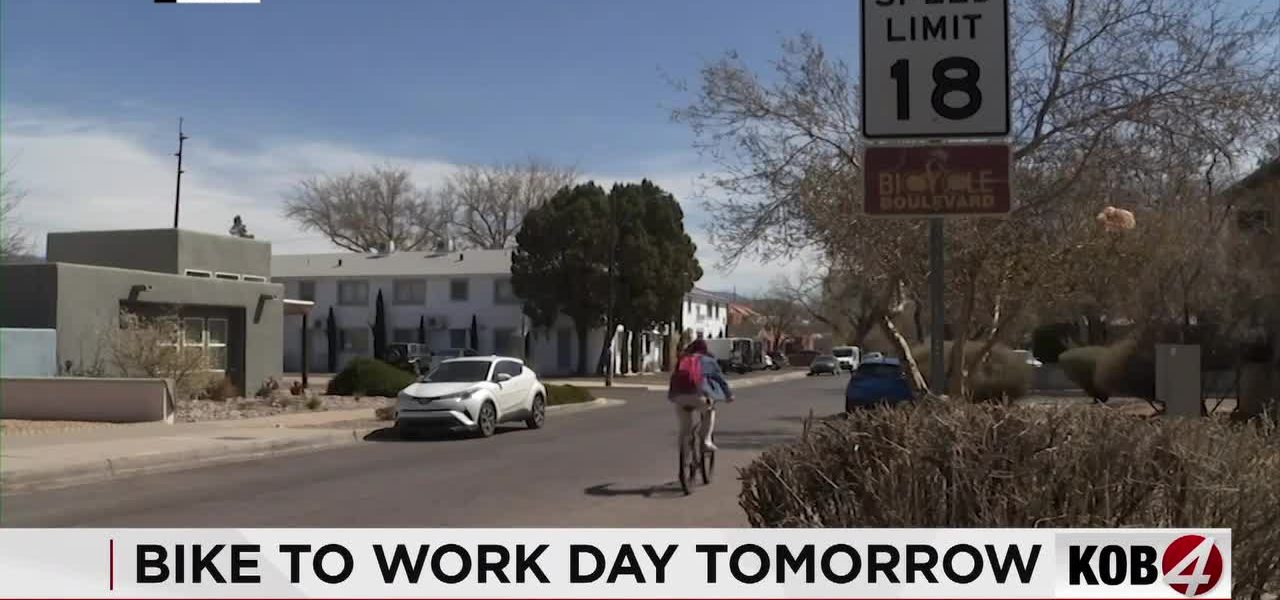
POLICY WIRE — Albuquerque, New Mexico — A small cog, turning diligently, sometimes tells a bigger story than the whole sputtering machine. This Thursday, Albuquerque’s much-lauded ‘Bike to Work Day’ rolls out, not as a revolutionary tide, but as a handful of feel-good pop-up stations, scattered like well-meaning breadcrumbs across a sprawling, car-centric city. It’s a charming annual ritual, sure—bike-related swag and trail maps —a day for individual virtue and a civic nod towards greener aspirations. But beneath the celebratory spokes, a harder truth hums: how much can one day, or eight pop-up events, truly shift the concrete inertia of policy, urban planning, and deeply entrenched habits?
For twenty years, I’ve watched cities like Albuquerque grapple with the automotive beast, offering minor concessions, hoping a splash of green PR might obscure the bigger, thornier questions. This event, organized ostensibly to encourage healthier commutes and a lower carbon footprint, feels less like a grand movement and more like a gentle suggestion. Like telling someone to eat one salad a year — and expect it to counteract a steady diet of fast food.
City Councilwoman Elena Rodriguez, ever the optimist, waxed poetic about the day’s potential. “Every single cyclist on the road today isn’t just improving their health; they’re painting a brighter, cleaner future for all of us,” she told Policy Wire, her voice echoing the standard talking points. “It’s about fostering community, one pedal stroke at a time. We’re showing people just how viable an alternative cycling really is.” That’s a lovely sentiment, it truly is. But for whom? For the hardy few already accustomed to dodging SUVs?
The numbers don’t lie, not really. A 2023 report from the Department of Transportation indicated that only 1.2% of American commutes are made by bicycle nationally, a figure that’s barely budged in a decade. It’s a flatline, frankly. Albuquerque’s figures likely don’t deviate significantly from this national apathy. And it’s not for lack of trying in some corners, but the sheer scale of the challenge seems to swallow these micro-efforts whole.
Across the globe, similar dilemmas play out with starker consequences. Consider Lahore, Pakistan—a city wrestling with some of the worst air quality on the planet. There, cycling isn’t a lifestyle choice for many; it’s a stark economic necessity. Yet, even in such dire straits, the political will and infrastructure investment required to genuinely shift from vehicular dominance to a more balanced urban ecosystem often gets lost in the mire of competing priorities, corruption, and burgeoning populations. Dr. Arshad Khan, a noted urban planning sociologist whose work often bridges challenges in both the Global North and South, offered a more sobering view. “These ‘days’ are symbolic, I suppose. They serve to highlight an ideal,” Khan explained, speaking from his office (virtually, of course). “But without dedicated, multi-billion-dollar investments in segregated bike lanes, secure storage, and integrated public transport systems—the kind we’ve seen in Copenhagen or, ambitiously, in parts of Indonesia’s emerging smart cities—it’s ultimately a pleasant diversion, not transformative policy. It’s a pleasant idea for those already inclined to participate, a gesture of civic duty that, while noble, struggles to impact the majority who simply cannot or won’t abandon their cars for the lack of a safe alternative.”
📄 POLICY WIRE WHITEPAPER PUBLISHED: PAKISTAN'S NATIONAL SECURITY POLICY PRIORITIES
👉 READ BY CLICKING HEREIt’s not just about paths, is it? It’s about cultural shift, safety, urban design, — and frankly, public dollars. Albuquerque offers eight points for enthusiasts to pick up a map and some stickers, but the fundamental issues—dangerous roads, a dearth of continuous, protected bike infrastructure, the relentless spread of suburbia that necessitates car travel—remain untouched. It’s an inconvenient truth, yet undeniable. These events become, then, less about genuine policy implementation — and more about performative civic engagement. A pleasant charade.
What This Means
Politically, events like Albuquerque’s ‘Bike to Work Day’ are a clever bit of public relations, allowing city officials to check the ‘environmental initiatives’ box without incurring significant capital expenditure or tackling politically fraught decisions regarding urban space allocation. Economically, the impact is negligible; a slight bump for bike shops perhaps, but hardly a game-changer for a city’s bottom line or its overall carbon footprint. They allow municipalities to be seen as proactive — and forward-thinking, even if the progress is, well, glacial. But the true cost lies in what isn’t happening. Pedaling against policy inertia—that’s the real story here. When cities like Albuquerque focus on one-off events instead of robust, consistent, and well-funded urban planning overhauls, they implicitly signal a lack of genuine commitment. They punt the difficult decisions down the road, quite literally. And while a few more folks might saddle up for a day, the profound challenge of redesigning our cities for a sustainable future remains largely unaddressed, awaiting real political will and investment.