


Sinner’s Unlikely Reign: Italy’s Golden Boy & the Soft Power of a Slam Dunk
POLICY WIRE — ROME, Italy — There’s something almost unnerving about a young man dominating a sport so completely that his very presence casts a shadow over everyone else. It isn’t just about...

POLICY WIRE — ROME, Italy — There’s something almost unnerving about a young man dominating a sport so completely that his very presence casts a shadow over everyone else. It isn’t just about backhands or serve speeds, you see; it’s about the silent calculus of national identity, market forces, and the delicate art of maintaining an aura.
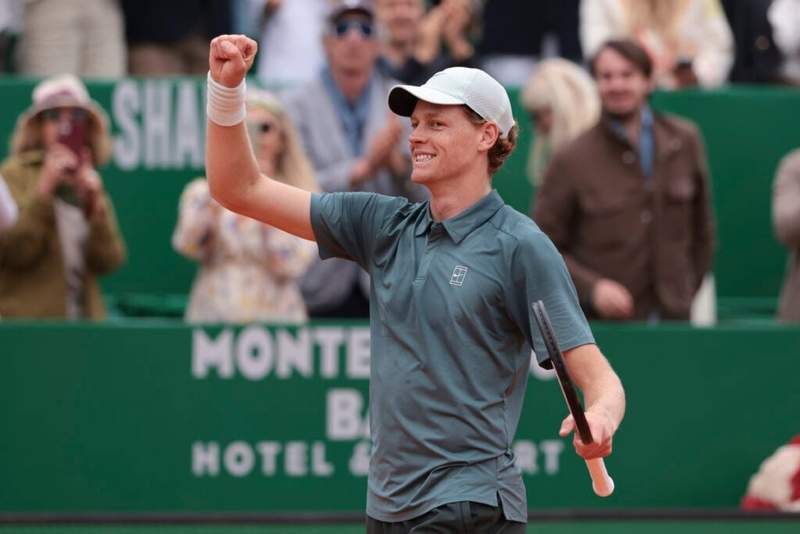
Jannik Sinner, by 24, has already stitched four Grand Slam titles onto his resume. Four. Let that sink in. Most players, truly exceptional ones, spend careers chasing half that. With a rival like Carlos Alcaraz nursing an injury, Sinner isn’t just playing at the Italian Open—he’s presiding over it. It’s a monarchy, isn’t it? A benevolent one, perhaps, but a monarchy nonetheless, underscored by the near-fanatical adoration of his home crowd in Rome.
“I’m genuinely floored by the love these folks show me,” Sinner admitted, looking almost overwhelmed by the reception during a post-match presser. “From practice courts to match days, they’re just there. And seeing all these kids—they’re the future, aren’t they? That fire for tennis, it’s something special.” He seemed almost hesitant to fully acknowledge the seismic cultural shift he’s authored. That’s probably smart; Hubris has a way of ambushing even the best. But when an athlete, particularly one of Sinner’s unassuming disposition, becomes a focal point for national pride, governments pay attention. They should.
“This isn’t just about tennis; it’s about national narrative,” observed Giovanna Rossi, Italy’s Deputy Minister for Youth and Sport, in a candid aside last month. “In a time of global uncertainty, Jannik offers a rare, uncomplicated moment of shared triumph. It’s a soft power asset, really. Every winning shot he makes resonates deeper than a diplomatic communiqué.”
And then there’s the inconvenient truth, a splash of cold water on the coronation. Even an emperor can stumble, even in his own coliseum. Croatian tennis veteran Marin Cilic, a Grand Slam winner himself, threw a few names into the ring capable of derailing Sinner’s seemingly inevitable path, particularly at the upcoming French Open. “Look, Zverev’s consistent right now,” Cilic mused, probably rubbing his chin. “Madrid final, he’s putting himself in position. If he grabs it? Who knows, but he’s playing lights out.” He then added: “And Casper Ruud, always a handful on clay. He just gets Roland Garros. We’ll see, though.” It’s a polite challenge, sure, but a challenge nonetheless, reminding everyone that despite the accolades, this isn’t a solo performance.
Because Sinner’s surge—this one-man Italian revival—mirrors something seen across continents, in places where sports are far more than mere games. Think about cricket in Pakistan, for instance. A successful national team, a singular talent like a Babar Azam or Shaheen Shah Afridi, can galvanize a nation, transcending ethnic and political fault lines, much like Sinner unites Italy. The economic ripple effects aren’t small potatoes either; an athlete’s fame drives sponsorships, boosts tourism, and inspires entire generations to pursue careers in sports, or at least spend their rupees (or euros) on related gear.
What This Means
Sinner’s ascent isn’t just a sports story; it’s a profound economic — and political phenomenon. Italy, struggling with a historically sluggish economy and often-fragmented political landscape, finds in Sinner a unified, marketable symbol of excellence. This narrative is gold for public diplomacy, projecting an image of Italian prowess on a global stage, one more accessible than, say, discussions of bond yields or parliamentary squabbles. His dominance means increased tourism revenue, certainly, but also something more intangible: renewed national confidence. The youth, especially—those children Sinner sees in the stands—are receiving an aspirational blueprint for success, possibly diverting them from less constructive pursuits.
But the real interesting bit? This soft power effect isn’t just a Western European luxury. You can find similar nationalistic fervor around sporting figures—though often less resourced—in developing nations. According to a 2022 Deloitte study, the global sports market is projected to reach $830 billion by 2027, driven significantly by fan engagement and superstar athletes. For countries like Pakistan, investing in and promoting homegrown talent, whether in cricket, squash, or even emerging sports, isn’t merely about leisure. It’s a low-cost, high-return strategy for enhancing national image, boosting local economies through merchandising and media rights, and providing hope in challenging times. A national hero isn’t just an athlete; he’s an exportable asset, a walking, talking, celebrity ambassador.
So, while the Italian crowd loses its collective mind over Sinner’s latest winner, remember that the cheer isn’t just for a tennis ball’s trajectory. It’s for Italy. And that phenomenon—the way an individual athlete can carry the weight of an entire nation’s pride—that’s a global language, understood just as clearly in Rome as it’s on the streets of Karachi. It’s a complex, often brutal, business of public emotion — and strategic soft power.