


Hoops Hegemony: The Brutal Logic Behind OKC’s Imperial Calculations
POLICY WIRE — Oklahoma City, USA — Eight victories. Zero losses. An unblemished march through two playoff rounds. The Oklahoma City Thunder aren’t just winning; they’re conducting an audacious...

POLICY WIRE — Oklahoma City, USA — Eight victories. Zero losses. An unblemished march through two playoff rounds. The Oklahoma City Thunder aren’t just winning; they’re conducting an audacious experiment in efficiency, challenging the very notion of parity in professional sport. While most teams scramble for mere survival, these guys are practically plotting corporate takeovers, strategizing their next conquest from the serene comfort of their championship lounge—a place where other franchises, frankly, can only dream of parking their weary, battle-scarred selves.
It’s a peculiar position, this one of uncontested dominion. Shai Gilgeous-Alexander and his youthful armada find themselves with idle hands, awaiting the conclusion of a series featuring the San Antonio Spurs and the Minnesota Timberwolves. One represents a clash of titans, a potential bloodbath ordained by the basketball gods themselves. The other? Well, it’s viewed by some as merely a continuation of their relatively genteel stroll through the postseason garden party. The stakes, however, transcend athletic competition. They’re about legacy, market dominance, — and the cold, hard arithmetic of securing a dynasty.
“We don’t fear any opponent,” Thunder General Manager Sam Presti — known for his stoic, almost cerebral approach to roster construction — told Policy Wire in an exclusive comment this week. “But as in any grand strategy, you analyze variables, assess threats, — and seek the path of optimal returns. Our focus remains internal, yes, but the external landscape demands rigorous study. It’s the cost of doing business at this echelon, you know?” Presti’s words betray the undercurrent of careful calculation that has defined OKC’s rapid ascent.
The Thunder, for all their youthful exuberance, are playing chess, not checkers. The Spurs, helmed by the phenomenal Victor Wembanyama, present an undeniable quandary. They’re, by many metrics, the closest approximation to OKC’s own burgeoning juggernaut. League analysts have noted both teams consistently ranked in the top three for net rating this season, according to NBA.com’s official statistics. That kind of symmetry doesn’t just happen; it’s a symptom of convergent evolutionary pathways in team building. Beat them, and you solidify your legend. Lose, and it becomes a cautionary tale. It’s a prospect that keeps analysts, — and presumably, some in the Thunder front office, pacing.
But there’s a lurking discomfort in choosing the path of maximum resistance. Is proving yourself against the best really worth the added wear-and-tear, the increased risk of unforeseen injuries, the statistical probability of a prolonged series? In Pakistan’s long history of balancing powerful regional neighbors, one often observes the strategic advantage of avoiding direct confrontation with a rising peer, preferring instead to consolidate gains against a lesser foe. The parallels aren’t lost on the discerning observer. Why invite a seven-game war when a four-game rout might still be on the table?
“The entire civic apparatus is primed for another deep playoff run,” offered Mayor David Holt of Oklahoma City, underscoring the broader implications of team performance. “Each home game is a direct economic injection, — and an early, high-profile exit impacts local businesses and tourism. So, while I trust Coach Daigneault’s tactical brilliance, you can’t deny that some matchups are simply more, shall we say, *conducive* to maintaining civic prosperity.”
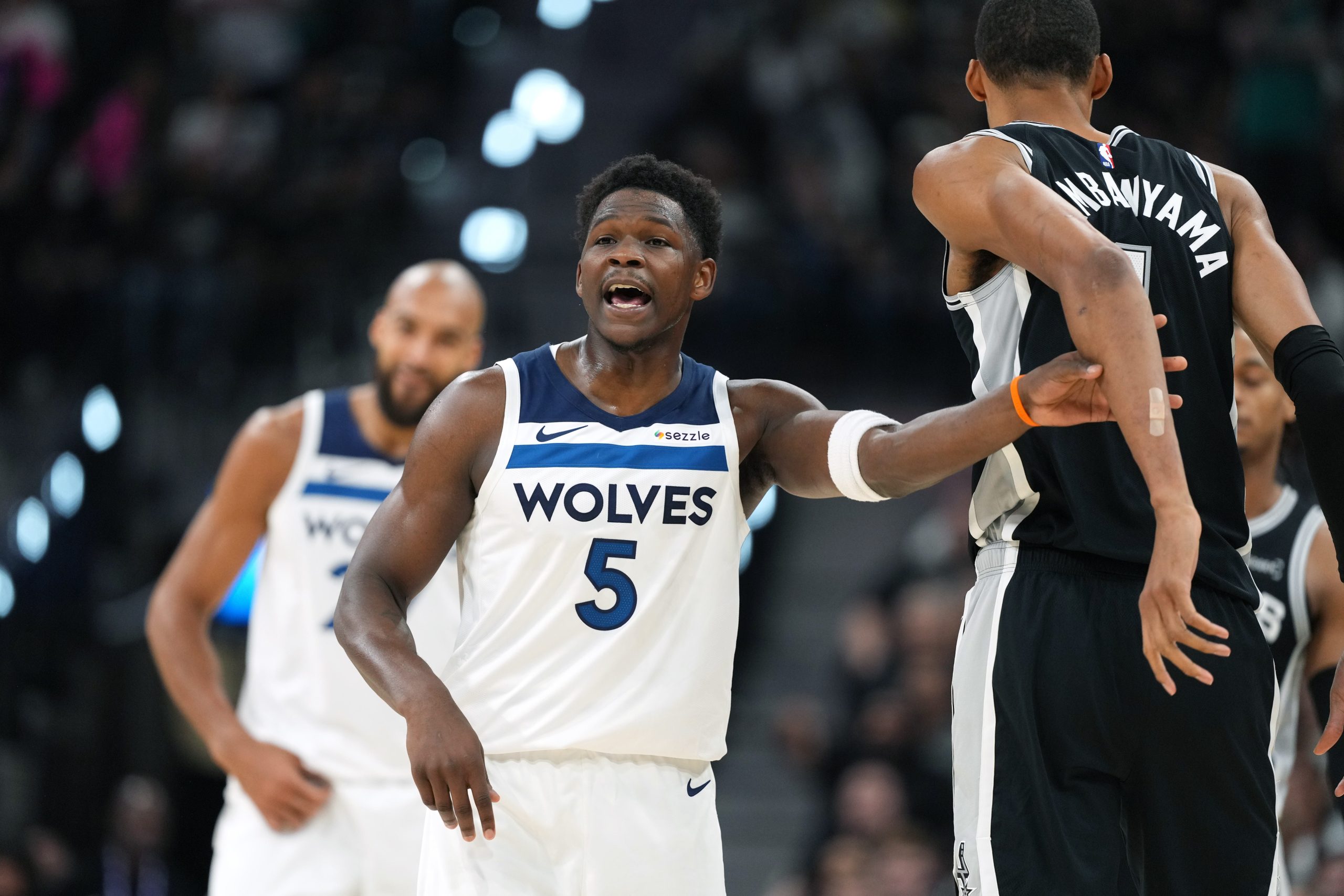
On the flip side, the Minnesota Timberwolves feel like a known quantity. Last year, the Thunder made quick work of them, a clean sweep that left little doubt about the pecking order. Anthony Edwards is a spectacular talent, no question, but he’s faced a particular brand of Thunder stifling that seems to disarm his usual potency. And the Wolves — even after giving other top teams a solid fright — don’t project the same terrifying, existential threat. Because they haven’t had the consistency, not truly. Their regular season was, shall we say, an interesting blend of flashes — and flounders.
And that’s the rub, isn’t it? The competitive spirit screams for the ultimate showdown, the true test of supremacy. But the pragmatic, cold-hearted pursuit of another championship banner often whispers for the easier path. It’s a calculation that factors in everything from injury likelihood to emotional taxation. Think of it as a choice between two global powers deciding where to deploy their forces — a risky, prestige-driven frontal assault on a peer, or a methodical engagement with a weaker, if still formidable, regional player. History shows that glory sometimes favors prudence over raw bravado.
What This Means
The Thunder’s current deliberation over their Western Conference Finals opponent isn’t just locker-room talk; it’s a stark illustration of the sophisticated strategic thinking that has come to define modern sports management, echoing boardroom decisions in the corporate and geopolitical realms. For the NBA, it spotlights a looming power struggle that could reshape future team building across the league. A Spurs victory wouldn’t only validate San Antonio’s unique organizational strategy, built around a singular generational talent, but also pressure other teams to consider bolder, riskier draft gambles.
Economically, the identity of the opponent directly impacts the revenue streams for Oklahoma City—think ticket prices, local merchandising, broadcast ratings. A more contentious, longer series, while potentially lucrative for media partners, presents greater financial uncertainty for the host city. A dominant performance, regardless of opponent, also solidifies OKC’s burgeoning brand as a national sports powerhouse, potentially drawing further investment and cementing its place as an attractive market. It also sets a difficult precedent. Can any team realistically expect to emulate this sort of surgical efficiency, or is this particular Thunder iteration a freak anomaly? It’s not just a playoff series; it’s a policy blueprint.