


New Delhi’s Grand Deception? How Hanoi Gambles on Autonomy Amidst Giants
POLICY WIRE — New Delhi, India — Look closely enough, and the globe’s political maneuvering often comes down to this: small-to-medium players just trying not to get swallowed. It’s an old...

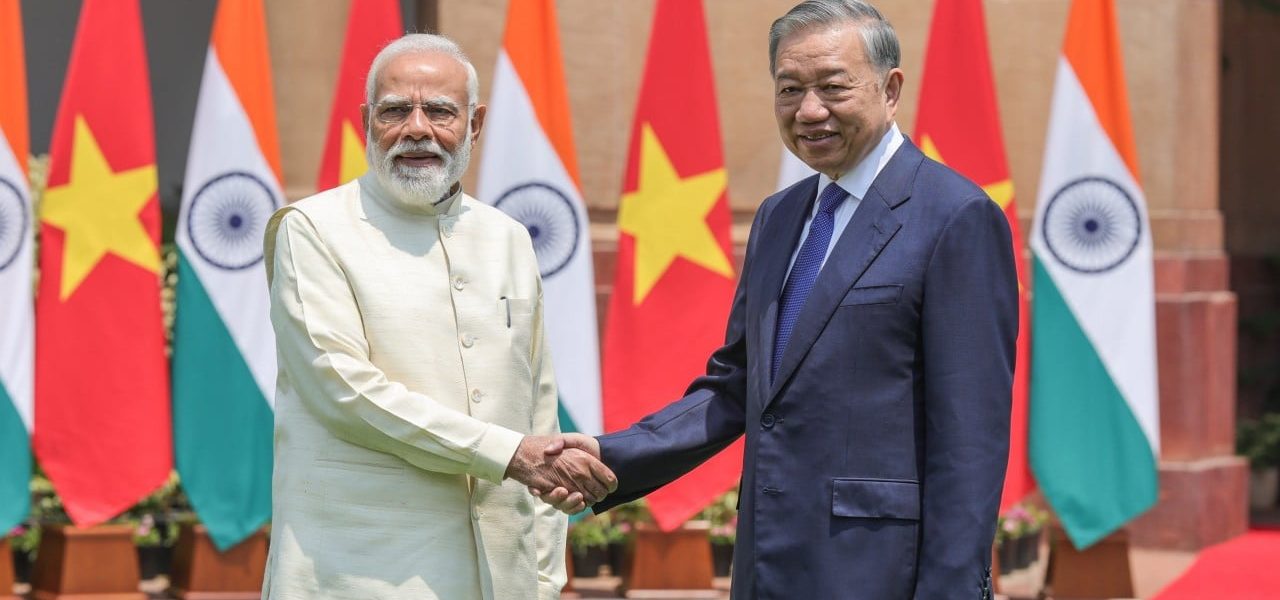
POLICY WIRE — New Delhi, India — Look closely enough, and the globe’s political maneuvering often comes down to this: small-to-medium players just trying not to get swallowed. It’s an old dance, you see, — and sometimes, you just pick the least uncomfortable partner. But when Vietnamese President To Lam touched down in New Delhi this week, it wasn’t a choice of comfort; it was a move on a very crowded chessboard.
His three-day state visit, Lam’s first as President, wasn’t some diplomatic nicety. Not really. It’s a deliberate, tactical signal to everyone from Beijing to Washington D.C., suggesting that Southeast Asia’s players are far from docile. And India? Well, India knows a thing or two about standing its ground.
Because frankly, who isn’t weary of the constant gravitational pull of larger, more domineering powers? Vietnam, like many nations, has a front-row seat to the South China Sea’s maritime spats. And China, let’s not forget, shares a rather substantial border with India. You don’t need a PhD in geopolitics to connect those dots. There’s a certain appeal in finding friends who understand the peculiar headache of proximity to a behemoth.
And Lam wasn’t shy about it. Speaking to a rather polite but certainly keen Indian business delegation, he reportedly quipped, “We aren’t interested in trading one patron for another. Our future, frankly, must be our own making, defined by our sovereign choices, not by the ebb and flow of great power rivalries.” That’s fighting talk, subtly delivered, with a polite smile, of course.
Sources close to India’s Ministry of External Affairs — and they usually like to keep things tight-lipped — say the sentiment is echoed in New Delhi. An official, speaking on background because these things are sensitive, put it bluntly: “Our partnerships aren’t about establishing new blocs; they’re about strengthening mutual resilience. Nobody wants to be a satellite, do they?” It’s a sentiment many developing nations across the Indo-Pacific could well embrace, perhaps even in Islamabad, watching its own dance between old allies and new imperatives. Balochistan’s perennial struggles serve as a grim reminder of how external dependencies can complicate internal security, an experience neither India nor Vietnam seems eager to replicate.
This evolving relationship isn’t just philosophical hand-waving, though. It’s got sharp edges. India, for instance, has been a key supplier of defense equipment to Vietnam, a sort of silent partner in Hanoi’s quest to modernize its forces. Reports from the Stockholm International Peace Research Institute (SIPRI) indicate that India’s defense exports to Southeast Asia have seen a 70% increase in the last five years alone, a stark number reflecting growing trust beyond traditional Western suppliers.
They’re not just trading speeches; they’re trading capabilities. Take India’s BrahMos missile system. A pretty hot ticket item. Hanoi’s eyed it for a while now. Because why wouldn’t you want your neighbors to know you can bite? But these aren’t just one-off deals; they represent a fundamental shift, a realization that waiting for an American umbrella, or hoping for Chinese magnanimity, probably isn’t a long-term strategy for self-preservation. Asia’s silent arms race, as some call it, means you either participate or get left behind. And Vietnam isn’t planning on being left behind.
What’s actually being hammered out behind those closed doors? Discussions include enhanced maritime security cooperation, naval visits, and — let’s be honest — figuring out how to build resilient supply chains that don’t funnel everything through one particular manufacturing giant. Economically, bilateral trade between India — and Vietnam reached approximately $14 billion in 2022. It’s a modest sum, sure, but the potential is there, especially as companies look to diversify away from traditional Asian production hubs. That kind of financial clout is a whole lot more meaningful than a friendly handshake and a shared disdain for meddling neighbors.
What This Means
This New Delhi meeting signifies a deepening realignment in Asia that many pundits saw coming but few understood its raw pragmatism. For Vietnam, it’s about bolstering its capabilities without inviting more scrutiny from an irritable northern neighbor. They don’t want a fight; they want deterrence. For India, it’s about extending its sphere of influence, not as an aggressor, but as a genuine alternative for nations seeking a balance. It’s about showing that there are other dances to be danced, other partners to consider. This move strengthens the Quad’s informal network (the strategic dialogue between Australia, India, Japan, and the United States), even if Vietnam isn’t officially a member, by building stronger peripheral alliances. It complicates Beijing’s narrative of regional dominance and creates economic avenues that bypass traditional bottlenecks.
But the truth is, this isn’t some revolutionary shift to anti-China sentiment. It’s simply self-interest, sharpened by decades of geopolitical lessons. These nations have watched, learned, — and now they’re acting. They’re making calculated gambits to ensure their sovereignty isn’t a bargaining chip. And honestly, who can blame them?