

Brazil’s Protein Paradox: EU’s Green Crusade Spurs Global Food Fight
POLICY WIRE — Brasília, Brazil — There’s a cold calculation underpinning Europe’s burgeoning green agenda, and Brazil, the globe’s agricultural...

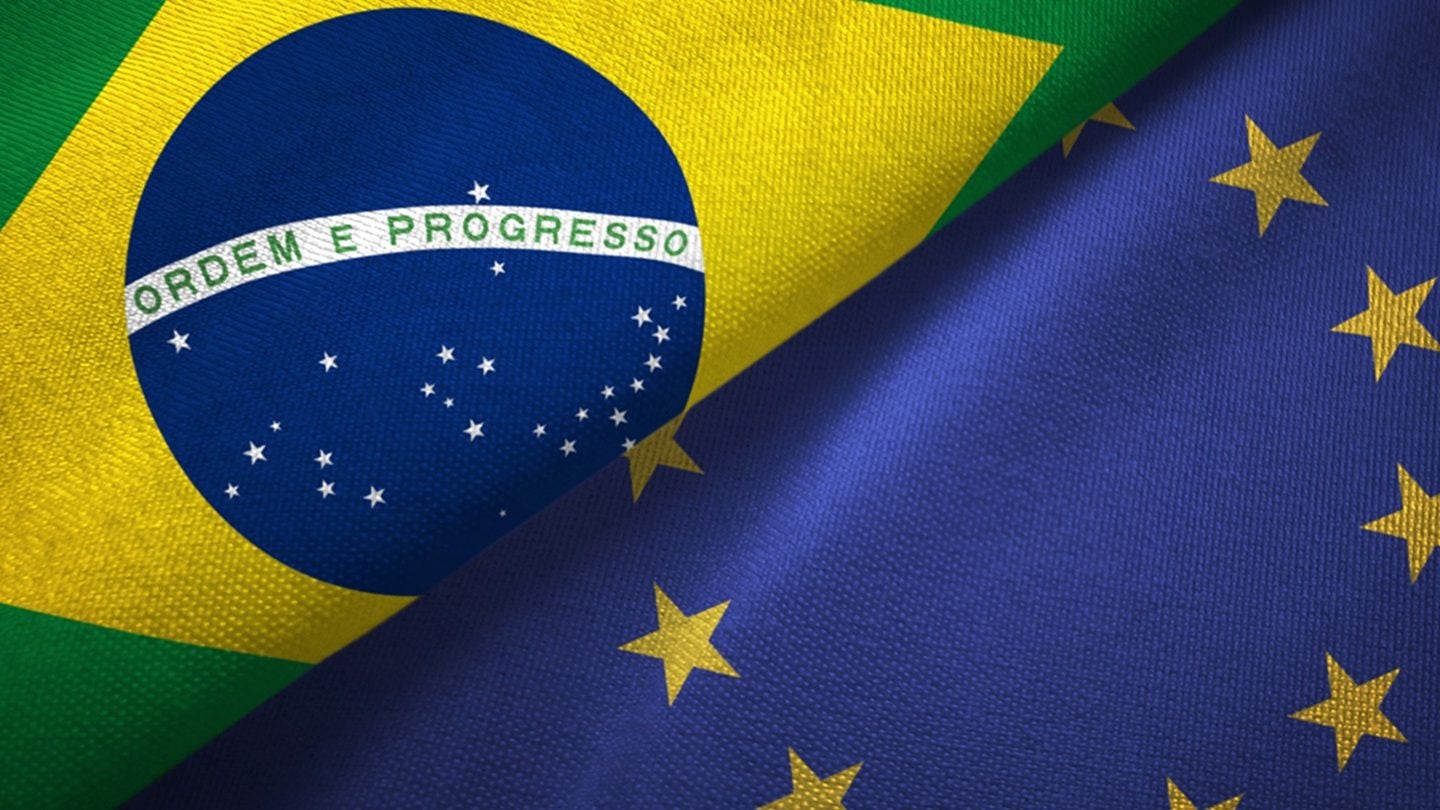
POLICY WIRE — Brasília, Brazil — There’s a cold calculation underpinning Europe’s burgeoning green agenda, and Brazil, the globe’s agricultural powerhouse, isn’t about to swallow it without a fight. What started as a whisper about enhanced environmental scrutiny is now a full-throthroated diplomatic brouhaha, threatening to kneecap a multi-billion dollar trade relationship.
It’s not just about animal products—though that’s the polite, official term for everything from meat to dairy. It’s about market access, national sovereignty, and Brussels carving out its moral high ground in global commerce, often leaving its trade partners scrambling. Brasilia sees this proposed EU suspension, wrapped in an eco-friendly bow, as nothing more than a thinly veiled protectionist maneuver, designed to insulate European farmers from stiff competition.
“They preach sustainability while attempting to dictate our production methods, methods that feed the world,” snapped Brazil’s Minister of Agriculture, Carlos Fávaro, during a recent press briefing, his voice laced with indignation. “We produce efficiently, responsibly. We don’t need lectures; we need open markets. This isn’t about animals; it’s about euros and political grandstanding.” That’s a sentiment you hear echoing from the soybean fields to the presidential palace.
The EU’s stance, predictably, frames the issue in terms of consumer safety — and planetary well-being. “Our citizens demand transparency and high standards for what they consume,” retorted Mairead McGuinness, the EU Commissioner for Financial Stability, Financial Services and the Capital Markets Union, when pressed on the looming restrictions. “These aren’t arbitrary rules; they’re commitments to health — and climate. We expect our trading partners to meet them, or frankly, they won’t find an open door.” It’s the usual bureaucratic jargon, but the stakes here are very, very real.
Because Brazil is a heavyweight, accounting for roughly 17% of global beef exports, with significant shares in poultry and other 𠆊nimal products.’ When Europe threatens to pull up the drawbridge, it sends tremors through the entire supply chain. It’s not just a European problem; it’s a global one, especially for countries dependent on these markets.
Consider Pakistan, for instance, a nation that has historically navigated its own intricate dance with international trade barriers and, critically, often relies on diverse import sources for its burgeoning population’s food needs. Should Brazil face reduced access to its traditional European buyers, it inevitably seeks out new homes for its goods. This pivot could mean a surge in Brazilian products finding their way into emerging markets across Asia and the Muslim world, potentially reshaping existing trade agreements and perhaps even driving down prices for consumers there—a short-term win, perhaps, but one that raises questions about long-term agricultural development in those regions.
A recent European Commission report (2023 figures) indicated that Brazil’s agricultural exports to the EU alone amounted to over $10 billion annually, a substantial chunk that’s now under a cloud. But then, Europe isn’t immune to its own hypocrisies, is it? You see protectionism pop up everywhere these days, cloaked in environmental virtue. And now Brazil’s got a decision to make: push back hard, or start looking eastward for its primary customers, which could have serious geopolitical implications.
What This Means
This escalating dispute between Brazil and the European Union isn’t just another dry trade negotiation; it’s a geopolitical barometer. Politically, it signals a widening chasm between developing economies, keen to leverage their natural endowments for growth, and richer blocs insistent on imposing their regulatory frameworks. It’s a battle for normative power, disguised as environmentalism. Brazil, alongside other agricultural giants in Latin America and beyond, is pushing back against what it views as a neocolonial imposition of standards that bypasses genuine collaboration.
Economically, the implications are stark. If the ban takes hold, Brazilian producers face an immediate hit, forcing them to find alternative markets, which may not offer the same lucrative prices or stability. This shifts global trade flows, potentially intensifying competition in other regions and creating new food security dynamics for nations like Pakistan, as mentioned. It’s a testament to the strange paradox of globalized trade—interconnectedness, yet unilateral actions that ripple across continents. Conversely, European consumers could see fewer choices and higher prices if a major supplier is sidelined, all in the name of regulatory purity. It also sets a precedent for other resource-rich nations in the global South facing similar ‘green’ barriers from wealthy consuming nations. But this is exactly what happens when lofty environmental goals collide with the messy realities of the global economy.
And because the EU often positions itself as a moral leader, any perceived double standards here — say, exempting certain EU-produced goods from the same stringent requirements it imposes on imports — won’t just hurt its relationship with Brazil. It’ll erode trust with potential partners across Asia and Africa, making future multilateral agreements even harder to broker. Europe’s internal fractures are one thing, but alienating key trade partners? That’s a whole other mess.