


Bollywood Meets Bullpens: Zinta Battles ‘Fake Narratives’ as IPL Franchise Falters
POLICY WIRE — Dharamshala, India — The stadium lights might spotlight sixes and spectacular catches, but lately, the real drama unfolding in India’s Premier League (IPL) circus centers on an...

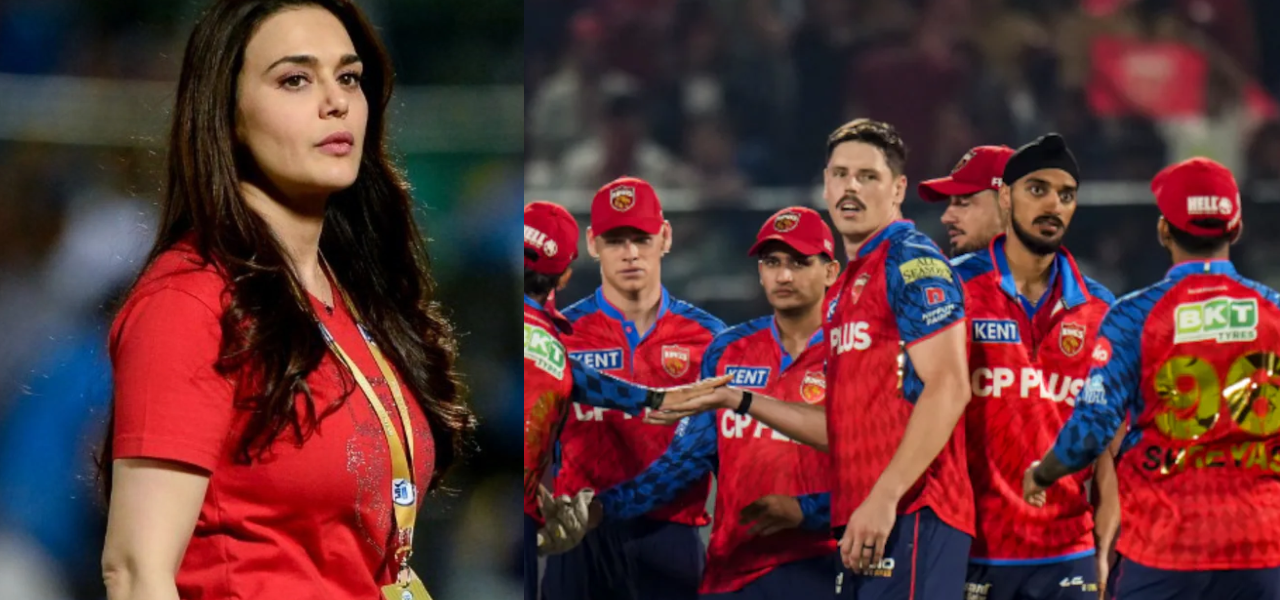
POLICY WIRE — Dharamshala, India — The stadium lights might spotlight sixes and spectacular catches, but lately, the real drama unfolding in India’s Premier League (IPL) circus centers on an entirely different kind of spin. It’s not the bowler’s trickery drawing gasps, but the vehement pushback from an agitated franchise co-owner against what she calls “calculated misinformation.” Preity Zinta, the Bollywood luminary whose star power fuels the Punjab Kings (PBKS) brand, isn’t just watching her team tumble down the leaderboard; she’s punching back at a public narrative she deems dangerously untruthful. This isn’t just about cricket. It’s a clash over perception, truth, and the frenzied media ecosystem surrounding modern sports in a region obsessed with the game.
Her outburst arrives not at the start of a winning streak—far from it—but after an excruciating series of defeats has shattered the team’s early dominance. It’s an interesting choice, isn’t it? To take on the rumour mills when the scoreboard is, quite frankly, ugly. For a squad that once lorded over the points table, boasting six wins and one no-result, their swift descent feels almost scripted. From undisputed frontrunners to grappling in fourth place, the team’s current predicament — four losses on the trot — provides ample fuel for public dissection. But Zinta suggests there’s something more nefarious at play than just poor form or fielding lapses. “There’s a difference between criticism and calculated misinformation,” Zinta recently fired off on X (formerly Twitter). “Healthy debate around the game is welcome, but the deliberate spread of fake narratives to damage individuals, the team, or the brand shouldn’t and won’t be taken lightly.” She then urged everyone, media and fans alike, to exercise some basic responsibility before just amplifying unverified information. Pretty stark stuff.
It’s a battle playing out across countless digital platforms where fact — and fiction blur with astonishing speed. Because what’s happening to PBKS isn’t unique. Any high-profile sports entity, especially in a fanatic market like South Asia, finds itself under this intense, often suffocating, scrutiny. Teams are not just sporting franchises; they’re billion-dollar enterprises, cultural touchstones for millions spanning from Kolkata to Karachi. Dr. Sanaullah Khan, a Lahore-based sports economist who tracks regional market trends, didn’t mince words when considering the impact. “The public persona of an IPL team carries significant economic weight,” Khan told Policy Wire. “Unsubstantiated rumors—even gossip—can directly translate into eroded sponsorship appeal, diminished merchandise sales, and even a wavering fan base. For a brand valued in the billions, this isn’t child’s play; it’s a direct threat to capital.” He’s not wrong. For context, the Indian Premier League as a whole was valued at an astonishing $10.9 billion in 2023, according to a report by consulting firm Brand Finance.
The Punjab Kings, having seemingly peaked too early, collapsed in games where they looked—for long stretches, at least—in control. Losing to Rajasthan Royals, Gujarat Titans, Sunrisers Hyderabad, and then a heartbreaker against Delhi Capitals, their vulnerabilities are now laid bare for all to see. Dropped catches, bowlers proving too expensive, batsmen failing to consolidate; it’s a litany of errors. And with another crucial match against the Mumbai Indians looming, the stakes couldn’t be higher. Mumbai Indians, already out of the playoff picture, have nothing to lose. PBKS, however, has everything, including their narrative, to regain.
📄 POLICY WIRE WHITEPAPER PUBLISHED: PAKISTAN'S NATIONAL SECURITY POLICY PRIORITIES
👉 READ BY CLICKING HEREWhat This Means
This incident reflects a wider battle for narrative control that’s rapidly defining our media landscape. It’s not just politicians anymore fighting “fake news”; now, high-profile figures in entertainment and sports are finding themselves knee-deep in the trenches. For Preity Zinta, a woman accustomed to controlling narratives on the silver screen, confronting this digital deluge head-on underscores how deeply public opinion impacts everything, even when money, talent, and sheer effort are invested. It exposes the fragility of reputation in the age of instantaneous information, or rather, misinformation. Because when a sporting giant stumbles, the blame game goes well beyond the cricket pitch. It infects brand loyalty, impacts investor confidence, and, in a deeply connected regional context like South Asia, even touches on national pride. It’s a sobering reminder that in today’s world, the ‘story’ often trumps reality, especially when the facts themselves are less than flattering.