


Ghana’s Great Escape: Johannesburg’s Dimming Lure for the Rest of Africa
POLICY WIRE — Accra/Johannesburg — The image of a united, prosperous Africa, once vividly etched in the post-apartheid psyche of the continent, has taken another nasty tumble. But it’s not the...

POLICY WIRE — Accra/Johannesburg — The image of a united, prosperous Africa, once vividly etched in the post-apartheid psyche of the continent, has taken another nasty tumble. But it’s not the usual suspects — neocolonialism or proxy wars — doing the damage this time. No, the culprit here is a far more insidious, homegrown poison: resurgent xenophobia that’s forcing fellow Africans to flee what was once hailed as their economic lodestar. And Ghana, frankly, isn’t waiting around for the next wave of despair.
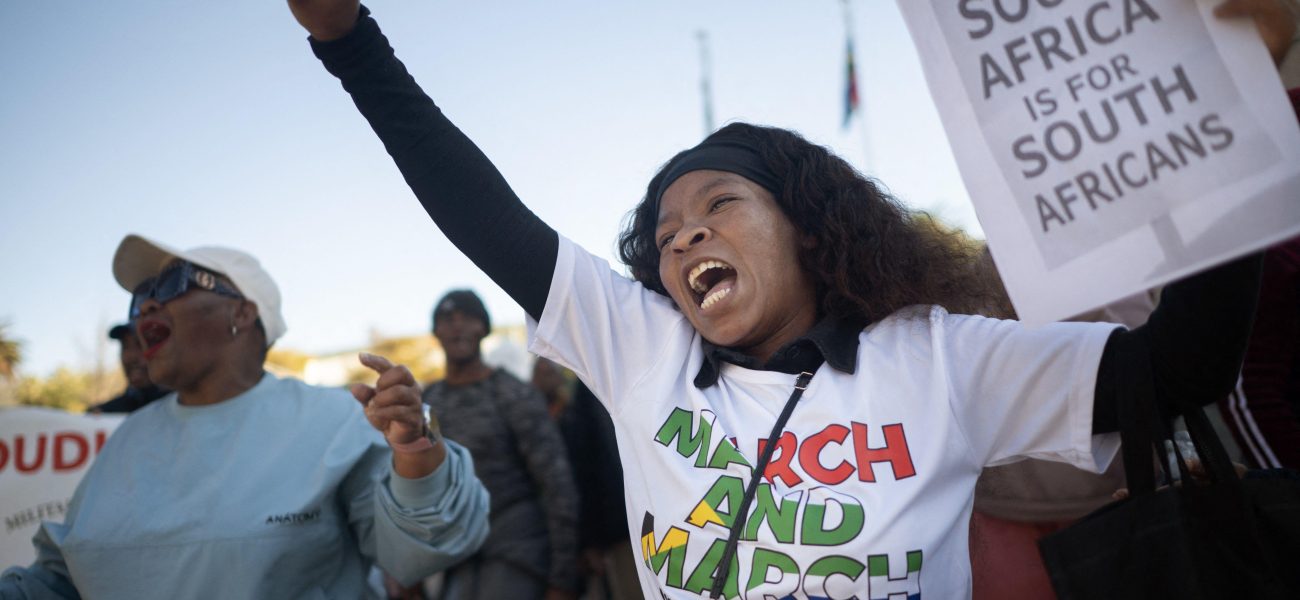
Ghana’s government has kicked off the emergency evacuation of some 300 of its citizens from South Africa, a stark, rather unsettling exodus prompted by a fresh surge in anti-immigrant violence. It’s a move that slices right through the feel-good narratives of African integration. This isn’t about mere policy disagreement. This is about physical safety, about countrymen—countrymen, mind you—turning on each other amidst the grit and grind of everyday economic frustrations.
Because let’s be honest, South Africa, for all its dazzling skylines and rich mineral wealth, has long grappled with a deeply unpleasant strain of anti-foreigner sentiment. For years, groups, often self-styled as ‘patriots,’ have blamed migrants for everything from job scarcity to rising crime. It’s a conveniently simple scapegoat, isn’t it? A quick fix for a complex mess of unemployment — and inequality that stubbornly refuse to go away. This time, however, the violence escalated, spilling onto the streets, making headlines ugly enough to force a nation hundreds of miles away to charter flights.
“We’ve reached a point where the safety of our people cannot be guaranteed by diplomatic assurances alone,” an obviously exasperated Shirley Ayorkor Botchwey, Ghana’s Minister for Foreign Affairs and Regional Integration, told Policy Wire through a spokesperson. “It’s a deeply regrettable situation, a betrayal of the spirit of pan-African solidarity that so many of us fought for.” A strong sentiment. And it certainly underscores the severity.
But the official South African line often remains somewhat… detached. They’re usually quick to label incidents as ‘isolated criminality’ rather than endemic xenophobia. Yet, the evidence speaks for itself, loud — and clear. Just consider the sheer number of documented attacks over the last two decades. Minister of Home Affairs, Aaron Motsoaledi, in a carefully worded press statement designed, one imagines, to calm rather than confront, stated, “While we acknowledge that regrettable incidents occur, our police forces are mandated to protect all individuals within our borders. We’re committed to fostering cohesion and addressing grievances through legal channels.” Small comfort, perhaps, for those packing their bags.
This isn’t just an African problem; it’s a global symptom. Think about the plight of migrant workers from Pakistan or Bangladesh in other parts of the world – often targeted, often blamed for societal woes, often facing the indignity of state-sponsored apathy or worse. The narratives, the accusations, the frustrations—they echo across continents. From Dhaka to Durban, the vulnerable outsider becomes the convenient target when jobs dry up and politicians look for easy answers. It’s an age-old tune, played with new instruments.
📄 POLICY WIRE WHITEPAPER PUBLISHED: PAKISTAN'S NATIONAL SECURITY POLICY PRIORITIES
👉 READ BY CLICKING HEREThe numbers don’t lie. South Africa’s official unemployment rate hovered stubbornly at 32.9% in the third quarter of 2023, according to Statistics South Africa – a frankly shocking figure for an economy of its size. But you know who’s usually blamed? Not failing policy, not global downturns. The ‘outsider.’ It’s a tragedy that unfolds right there on your television screen, sometimes for days, weeks even. But we’ve almost gotten used to it, haven’t we? It’s a harsh reality, that.
What This Means
The Ghanaian evacuation isn’t just a humanitarian gesture; it’s a profound political statement. It effectively signals a loss of confidence in South Africa’s ability—or perhaps even its willingness—to protect its regional counterparts. Economically, this chips away at South Africa’s image as an investment destination — and a stable regional partner. Investors, domestic and international, typically don’t favor environments riddled with social unrest, particularly unrest that can escalate into physical harm. But, more significantly, it’s a kick in the teeth for pan-African ambitions. The dream of seamless borders, shared prosperity, — and mutual respect among African nations? It seems, on days like these, little more than an academic ideal.
Such incidents complicate diplomatic efforts, weaken regional blocs like SADC, and make collaboration on broader issues, say climate change or trade, more fraught. Each evacuation, each act of violence, deepens the distrust. It’s not just about Ghanaian citizens going home. It’s about a continent, still finding its footing, getting tripped up by internal, ugly divisions. And these divisions, they impact how the rest of the world views Africa, how investment flows, and how genuine calls for equity on the global stage are received. It’s an inconvenient truth, yet unavoidable. The outside world sees, it watches, and it often judges. That’s just the way it goes.
For Pretoria, this isn’t merely an optics problem. It’s an open wound that festers, constantly reminding the world—and itself—that the ‘Rainbow Nation’ can sometimes cast some very dark shadows. The ANC government, already navigating myriad internal challenges, can’t afford to have its moral authority within Africa consistently undermined by unchecked vigilantism. They really can’t.