


Mount Agung’s Grim Harvest: The High Cost of a ‘Walk in the Clouds’
POLICY WIRE — Denpasar, Indonesia — There’s a particular kind of allure in staring down a crater, a perverse thrill to be found where earth’s fury churns just beneath a thin crust. It’s...

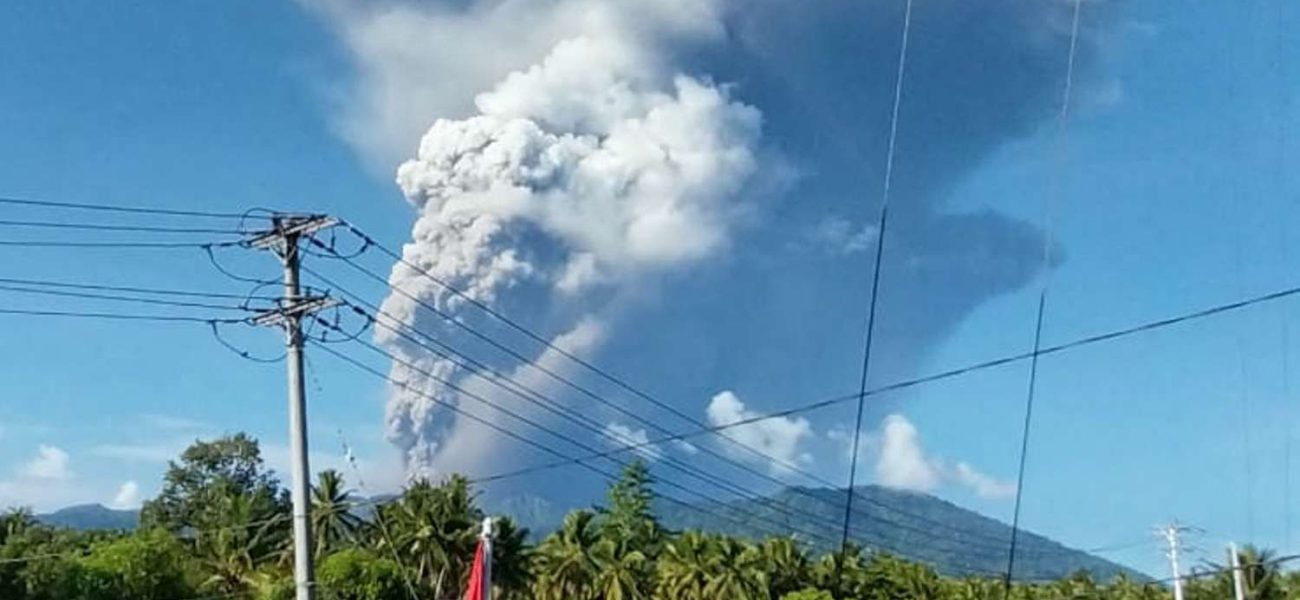
POLICY WIRE — Denpasar, Indonesia — There’s a particular kind of allure in staring down a crater, a perverse thrill to be found where earth’s fury churns just beneath a thin crust. It’s that draw, perhaps, that pulls people to places like Mount Agung on Bali, a landscape as breathtakingly beautiful as it’s capriciously dangerous. And it’s that danger that claimed three lives this week, with search and rescue teams confirming the grim discovery of three hikers’ remains, two of them found horrifyingly entombed together under a deluge of rock and ash. They were just out for a stroll, really — a ‘walk in the clouds,’ as the local guides sometimes romanticize it.
Rescue operations, hampered by ongoing seismic activity and the sheer volatility of the landscape, located the bodies days after Agung’s sudden, violent expulsion of gas and debris. They’d been caught unaware, clearly, far too close to the summit when the mountain decided it’d had enough of slumbering. Emergency workers described the scene with an exhausted sort of reverence; finding two individuals, side-by-side, still partially fused to what was once the hiking path, suggests an almost instantaneous, terrifying end. It’s a sobering tableau of nature’s raw, indifferent power, and it leaves an unsettling quiet in the usually bustling tourist areas.
“We warn them, you know? We tell them the risks,” muttered Ketut Wardana, Head of Bali’s Disaster Mitigation Agency, his voice raspy from days coordinating search efforts. “But people… they see the beauty, not always the beast. This is a mountain that remembers, — and sometimes, it strikes. We’ve seen similar incidents, but never quite like this, with such a stark reminder of humanity’s fragility.” Wardana confirmed that early warning systems had been active, but given the unpredictability of volcanic activity, those systems don’t always offer a comprehensive escape window, especially for those daring enough to climb when alerts are elevated.
And indeed, this isn’t an isolated incident, not in Indonesia, a country often dubbed the ‘Ring of Fire’s’ hotspot. It houses more than 130 active volcanoes, making it statistically one of the most volcanically active nations on earth. According to the Smithsonian Institution’s Global Volcanism Program, Indonesia alone accounts for roughly 16% of all recorded historical volcanic eruptions globally, a staggering number that underscores the everyday risk its populace lives with. But sometimes, even for those accustomed to such phenomena, the sheer unexpectedness is devastating.
But beyond the immediate tragedy, this event rattles more than just the nerves of the local population. For policymakers, both locally and internationally, it reignites conversations around disaster preparedness, sustainable tourism, and regional cooperation. Just a few weeks prior, an international delegation of geologists, including experts from Pakistan and Bangladesh, had met in Jakarta to discuss enhancing early warning systems across South and Southeast Asia—a region particularly vulnerable to geological hazards, be it seismic tremors or the capricious whims of stratovolcanoes.
Because while the context differs—flooding in Pakistan, earthquakes in Afghanistan—the lesson remains universal: nature, untamed and uncompromising, commands respect. And ignoring it? That’s always a gamble, isn’t it? The sheer audacity of attempting to summit an active volcano, despite all advice, often comes from a place of adventure, maybe a touch of invincibility. It’s a sentiment many recognize, — and occasionally, one pays the ultimate price for.
📄 POLICY WIRE WHITEPAPER PUBLISHED: PAKISTAN'S NATIONAL SECURITY POLICY PRIORITIES
👉 READ BY CLICKING HERE“These aren’t just isolated tragedies; they’re stark indicators of systemic vulnerabilities that span our region,” observed Dr. Aisha Karim, a disaster management consultant with ties to Islamabad, commenting remotely on the Bali incident. “From the tectonic plate movements beneath our feet to the shifting weather patterns above our heads, the Muslim world and broader Asia share a common challenge. We have to learn, — and frankly, we have to share those lessons more effectively. Human life doesn’t distinguish by border.” She’s not wrong; there’s a shared language of loss, a universal human lament for lives cut short by natural forces.
What This Means
The tragedy on Mount Agung carries weight beyond its immediate human cost. For Bali’s economy, heavily reliant on tourism, such an event can have swift, chilling effects. Tourists, particularly international visitors, often cancel plans following natural disasters, impacting local livelihoods—something Indonesian authorities will surely work to mitigate through rapid, transparent communication about safety measures. It’s not just the mountain’s eruption that causes economic ripples, but the lingering fear it instills (see here for economic ripples).
Politically, the response to this disaster will face scrutiny. Was enough done to prevent access? Were warnings clear and enforceable? These aren’t new questions for a government wrestling with the dynamic between a lucrative tourism industry and the inherent risks of its geological endowment. Maintaining public confidence, both domestically and internationally, in the face of such unpredictable events, becomes a masterclass in crisis communication (or the lack thereof). The Balinese haven’t seen the last of Agung’s theatrics, and the world hasn’t seen the last of humans drawn to its fiery beauty, even after such a somber accounting.