


Diplomatic Chessboard: Brella Family’s UK Visit Tests Allegiance, Justice Demands
POLICY WIRE — London, United Kingdom — The low hum of a London November has acquired an edge. It’s not just the crisp autumn air; it’s the palpable tension swirling around the impending arrival of...

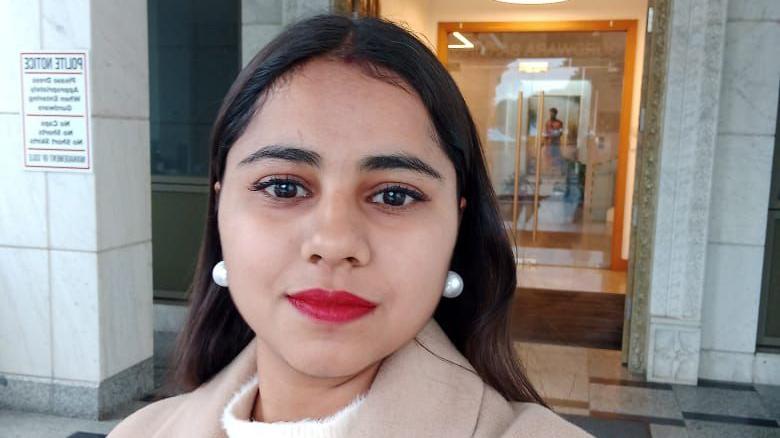
POLICY WIRE — London, United Kingdom — The low hum of a London November has acquired an edge. It’s not just the crisp autumn air; it’s the palpable tension swirling around the impending arrival of the Brella family. They’re here for “talks”—a sanitized descriptor that barely scrapes the surface of what’s truly at stake. Their daughter, Harshita Brella, a young British-Pakistani academic, vanished in a dusty borderland last spring, allegedly in a ‘joint intelligence operation.’ But don’t look for answers from Whitehall. Not yet.
Her family, a delegation weary but determined, isn’t asking for platitudes. They want details. They want bodies, or what’s left of them, repatriated. They want accountability. And they believe the British state, so often a champion of its citizens abroad—at least on paper—is playing an entirely different game this time around. Because Harshita Brella wasn’t just some tourist. She was a keen researcher, a young mind delving into post-conflict rehabilitation in a region many intelligence agencies deem, shall we say, ‘problematic’ for reasons that extend far beyond academic curiosity. It makes her, — and her sudden demise, inconvenient. Really inconvenient.
Her family’s trip isn’t some quaint holiday. This is a mission. A confrontational one, perhaps, though they’re framing it in diplomatic niceties. Sources close to the family—who prefer to remain unnamed for obvious reasons—confirm their primary objective: compelling the Foreign Office to release intelligence reports related to the operation that purportedly led to Harshita’s death in the volatile Waziristan region, an area notorious for insurgent activity and—coincidentally, or not—heavy intelligence surveillance from various global powers. And this isn’t just about closure; it’s about justice, or at least a truth beyond the official narrative. They don’t buy the ‘caught in the crossfire’ story. Who would?
“We’re always concerned when a British national comes to harm abroad, and our priority remains to provide consular assistance and establish the facts through appropriate channels,” stated a Foreign Office spokesperson, Sir Alistair Finch, sounding remarkably like every official ever pressed on an uncomfortable truth. “However, intelligence operations are, by their very nature, complex and require strict confidentiality to protect lives and national security.” Translation: good luck, family.
But the family isn’t folding. They’ve marshaled support from human rights groups — and expatriate communities. Many, frankly, are tired of seeing individuals—especially those of South Asian descent—disappear into the geopolitical ether without trace, their lives reduced to footnotes in dry, official communiqués. “Harshita Brella’s case isn’t isolated; it reflects a disturbing pattern where individuals become collateral damage in opaque counter-terrorism campaigns,” argued Ayesha Karim, director of the London-based ‘Justice for All’ advocacy group. “We expect—we demand—full transparency, not just for this family, but for every family caught in this bureaucratic web.” Her words don’t quite carry the weight they deserve in the sterile halls of power, but they resonate with a growing demographic. And that, it turns out, matters.
This whole situation has become a messy diplomatic pickle for former Prime Minister Rishi Sunak’s government, particularly given London’s ongoing efforts to deepen trade ties with nations like Pakistan—which registered a 16.9% increase in bilateral trade with the UK in the last fiscal year, according to figures from the UK Department for Business and Trade. But money talks, — and often, it drowns out everything else. This isn’t a good look when you’re trying to position Britain as a global leader in human rights, is it? Especially not when the world’s paying attention to these things.
The Brella family’s unwavering pursuit, fueled by grief and righteous anger, threatens to expose the frayed edges of international cooperation in the so-called ‘War on Terror.’ It forces an uncomfortable spotlight on the murky relationship between Western intelligence agencies and their regional counterparts, often characterized by expediency over strict adherence to legal and ethical frameworks. What if a British citizen, albeit one with Pakistani roots, was caught in the grey area, an unintended consequence? Or, far more sinister, was she perceived as an ‘undesirable’ due to her research, which might have painted a less-than-rosy picture of Western foreign policy? The whispers persist.
What This Means
The Brella family’s determined visit isn’t merely a personal quest for closure; it’s a critical stress test for the UK’s commitment to its citizens, especially those from diaspora communities. Politically, it complicates London’s delicate balance of engaging with South Asian nations while projecting an image of human rights champion. Should details emerge contradicting official narratives—and they often do—it could fuel significant domestic discontent among British-Pakistani and wider Muslim communities, exacerbating existing tensions around perceived discrimination and inequality before the law. Economically, while not directly threatening, such incidents erode soft power, making future diplomatic endeavors in sensitive regions potentially tougher sells. Forcing answers, or at least a genuine attempt at them, would be a rare but welcome show of governmental integrity. Instead, we’re likely to see more stonewalling, carefully worded non-statements, and a slow-drip of information that keeps everyone just agitated enough, but never quite satisfied. It’s a classic playbook. And because it keeps happening, families like the Brellas keep getting thrown into this administrative grinder. The human cost? Priceless, if anyone bothered to tally it.