


The Brutal Poetry of Sporting Dominance: Economic Echoes in Europe’s Celebrations
POLICY WIRE — Madrid, Spain — Another May, another coronation, another meticulously choreographed display of corporate athletic supremacy. The clamor from Barcelona’s streets, thick with...

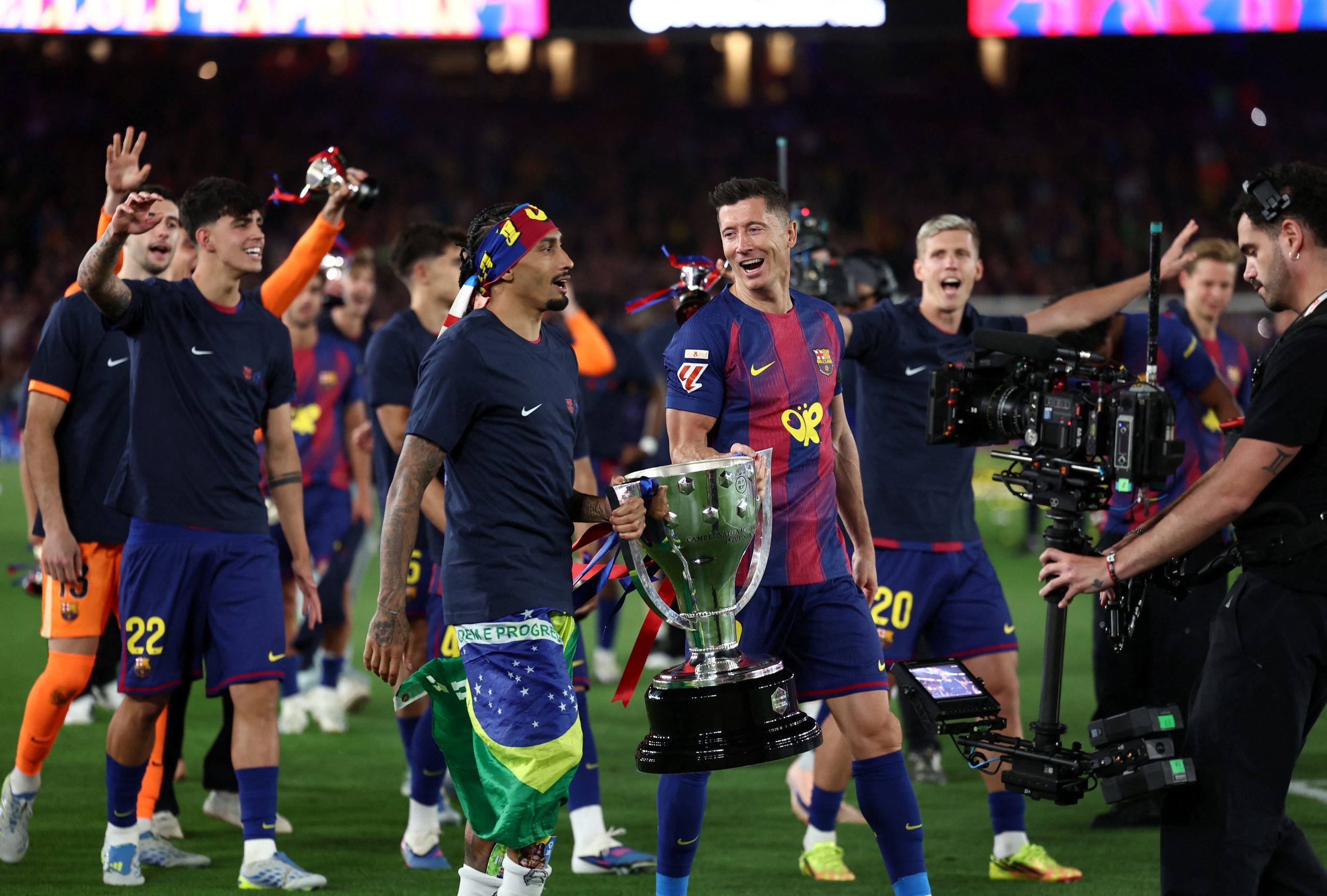
POLICY WIRE — Madrid, Spain — Another May, another coronation, another meticulously choreographed display of corporate athletic supremacy. The clamor from Barcelona’s streets, thick with confetti and cava, tells one story: FC Barcelona, again, masters of La Liga. But peek beyond the triumphal arches and the carefully cropped images for Monday’s headlines, and you see something grittier, something about national capital, human fragility, and the unrelenting commercial grind of global sports.
It’s easy to get lost in the immediate ecstasy, the 2-0 defeat of arch-rival Real Madrid at Camp Nou that formally handed the Blaugrana their domestic crown. The sheer consistency, the undeniable solidity of their performance all season—it makes for great TV. And for Spain, a nation forever intertwined with the drama of its top-tier football, these moments aren’t merely leisure; they’re emotional scaffolding, a collective escape, and sometimes, a shrewd distraction. “This isn’t just about winning, you know?” mused Dr. Elara Gómez, a senior economic advisor within the Spanish Ministry of Economy, speaking from a decidedly unfestive office in Madrid. “It’s about projecting an image, boosting morale, yes, but also about a massive, complex industry. The global reach of La Liga, like other major leagues, injects hundreds of millions into our coffers annually, from tourism to merchandise, intellectual property rights, you name it.”
Because these celebrations, for all their spontaneity, arrive fully loaded with economic heft. La Liga, for instance, reported a staggering 1.87 billion euros in total revenue for its top division clubs in the 2022-23 season, a figure only set to grow. It’s a multi-billion dollar operation, disguised as entertainment.
Over in France, the narrative plays out with a familiar, almost wearying predictability. Paris Saint-Germain has, yet again, all but secured the Ligue 1 title. Beating Brest simply put the champagne on ice. But there’s a different sort of ennui in Paris, perhaps born of too much unchecked dominance. “There’s a certain pride in PSG’s continued success, for sure,” offered Jean-Pierre Dubois, spokesperson for the French Ministry of Finance, his voice tinged with professional reserve. “But let’s be candid: when a domestic league becomes a foregone conclusion year after year due to disproportionate investment, it raises questions about competitive balance and, ultimately, the value proposition for the broader sporting ecosystem.” His words hang in the air—a subtle jab at the Qatari billions fueling PSG, and the lack of genuine contest it breeds.
Then, the human cost, quite literally. The alarms ringing for Nico Williams, the young Spanish winger, after pulling up with muscle discomfort. The World Cup, just a month away, suddenly looks a little less bright. He’d been tearing up the pitch against Valencia, the best player out there, until the 36th minute when it all went sideways. It’s a sobering reminder that even in this grand economic spectacle, flesh and bone remain the fragile commodities that dictate destiny.
And across the channel, the relentless financial centrifuge that’s the English Premier League grinds on. Arsenal holds firm at the top, Manchester City breathing down their necks—every pass, every tackle, weighted with untold sums. The fight to stay atop this pyramid, even for a few weeks, justifies mind-boggling salaries, astronomical transfer fees, and broadcast deals that stretch across continents. This ain’t just sport; it’s a relentless asset play.
What This Means
These continental football narratives aren’t isolated incidents of athletic prowess; they’re microcosms of broader geopolitical and economic currents. The consistent triumphs of clubs like Barcelona or PSG highlight the deepening stratification in European football, where vast sums of capital — often from state-backed entities or global conglomerates — dictate outcomes. This isn’t just about sporting hegemony; it reflects a shifting European economic order, where elite clubs function more like multinational corporations than community teams, leveraging global fan bases for immense profit. It’s a soft power play, too, extending the cultural reach of their sponsoring nations or regions. In places like Pakistan, India, and Bangladesh, where millions follow these leagues with fervent devotion, the economic impact is real. Think of the diaspora’s remittances funding local football gear, the betting markets, or the media consumption creating significant revenue streams. It shapes perceptions, sells jerseys, and forges allegiances that cut across national lines, reinforcing a form of cultural imperialism through entertainment. The success of Barcelona today isn’t just a win for Catalonia; it’s a reinforced brand, a robust export, influencing popular culture and consumer behavior from Karachi to Kuala Lumpur. But it’s also a stark mirror to a sport increasingly defined by financial might rather than competitive balance. Because when money talks this loudly, sometimes the spirit of the game just whispers.