


Sacramento’s ‘Radical’ Bet: X Games Reinvents Extreme Sports, Aims for Global Domination
POLICY WIRE — SACRAMENTO, California — There’s a peculiar scent wafting through Sacramento these days, and it ain’t just the late spring bloom or the usual whiff of ambition...

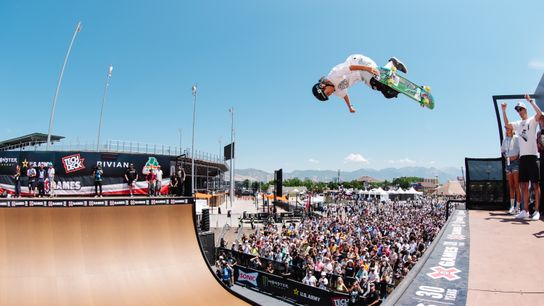
POLICY WIRE — SACRAMENTO, California — There’s a peculiar scent wafting through Sacramento these days, and it ain’t just the late spring bloom or the usual whiff of ambition from the state capital. No, this one smells distinctly of corporate sponsorship and airborne adrenaline, a heady cocktail set to define the city for three riotous days next June. X Games, long the chaotic crucible of gravity-defying feats, isn’t just staging another event; it’s rolling out a full-blown league. You heard that right. A league.
And what a league it aims to be. Dubbed the X Games League (XGL), this new team-based iteration will descend upon Cal Expo from June 26-28, 2026. This isn’t just about individual glory anymore; it’s Los Angeles versus Tokyo, New York battling São Paulo, all competing for points towards a summer championship. Skateboarding, BMX, Moto X – the usual suspects are all there, but they’re now draped in new team colors, promising fresh rivalries and, let’s be honest, an even deeper grab for viewer attention.
It’s an audacious move, transforming what was, for decades, a slightly rebellious, counter-culture spectacle into a slick, professionalized machine. Think fewer garage bands, more arena rock, but with skateboards instead of guitars. MoonPay X Games Sacramento 2026 is the kick-off, the proving ground for a concept X Games CEO Jeremy Bloom believes is nothing short of revolutionary. “We aren’t just hosting another contest; we’re building an empire,” Bloom told Policy Wire in an exclusive statement. “This league format, the team element – it turbocharges engagement. It isn’t about evolving; it’s about exploding action sports into the mainstream, bringing in new fans, new dollars, and truly cementing our place on the global sporting stage.”
He’s talking about nearly 100 top athletes – legends like Nyjah Huston and fresh faces barely out of high school – all vying for multi-medal performances under increased pressure. Take Nyjah Huston, the Skateboarding Street kingpin with 15 golds already. “Every X Games, it’s a grind, sure, but this is a whole new level of mental and physical combat,” Huston explained, speaking candidly. “You’re not just riding for yourself anymore. It’s about the team, the points, the whole season. And yeah, the pressure’s enormous, but the payday – and the bragging rights – they’re looking even bigger.”
This league structure also means a shift for phenoms like Australia’s Arisa Trew and Chloe Covell, both 16 and already boasting an insane collection of hardware. They’ll be navigating team strategies alongside seasoned veterans. Ryan Williams, Logan Martin, Daniel Sandoval – all set to push the boundaries, potentially eyeing unprecedented four-gold hauls in Sacramento. And Vicki Golden, the trailblazing Moto X rider, continues to break ground, being the only woman competing in Moto X at this event.
But the aspirations for XGL reach far beyond the Californian capital. It’s a calculated move to tap into a broader, younger, globally connected demographic. The global action sports market is projected to reach USD 301.7 billion by 2030, growing at a CAGR of 6.3% from 2023, according to Grand View Research, indicating a clear, lucrative growth trajectory that deep-pocketed investors aren’t ignoring. This league isn’t just for the existing fan base; it’s aiming for nascent markets, for eyeballs in places where the raw appeal of a daredevil leap transcends language. Imagine the impact in a youth-heavy nation like Pakistan, where digital connectivity makes global trends instantly accessible, and where sports consumption, often dominated by cricket, could slowly but surely expand to include the raw, electrifying energy of an X Games competition. What was once niche in the West could well become mainstream everywhere else, fueled by slick production and aspirational athletes.
Adding to the allure is the ‘festival experience,’ with headliners like Kaskade — and Mustard. It’s a savvy blend of extreme sports — and live entertainment, turning a sporting event into a cultural happening. They’re selling a whole vibe, not just a competition.
What This Means
The launch of the X Games League isn’t just another footnote in the world of extreme sports; it’s a flashing neon signpost pointing towards the future of athletic entertainment. For Sacramento, it’s a significant economic boost, injecting tourism dollars, drawing national attention, and bolstering local businesses – a welcome if unconventional partner for a city often battling more mundane headlines. This professionalization reflects a larger trend: the continuous commercialization of youth culture and niche pursuits into polished, profitable enterprises. We saw it happen with competitive gaming; now it’s skateboarding’s turn for the big corporate embrace. For more on how raw athleticism becomes big business, check out this piece on the youth sports machine.
And culturally? This move could very well globalize action sports in a way even the Olympics haven’t managed. By establishing a clear, season-long narrative, XGL aims to cultivate consistent engagement, rather than just event-based spikes. This strategic play could unlock enormous sponsorship potential and attract a whole new generation of participants and spectators, especially in regions with massive youth populations and evolving entertainment preferences. It’s an open question whether a corporate league can retain the grassroots, anti-establishment soul that defined these sports, but money talks. And right now, it’s shouting a league all its own.