

Beyond the Brunch: Albuquerque’s Civic Spaces, Consumer Habits, and the Real Mother’s Day Bottom Line
POLICY WIRE — Albuquerque, N.M. — Forget the flowers, for a moment, and consider the economics of civic celebration. On a recent Sunday, as families converged on Albuquerque’s BioPark for...

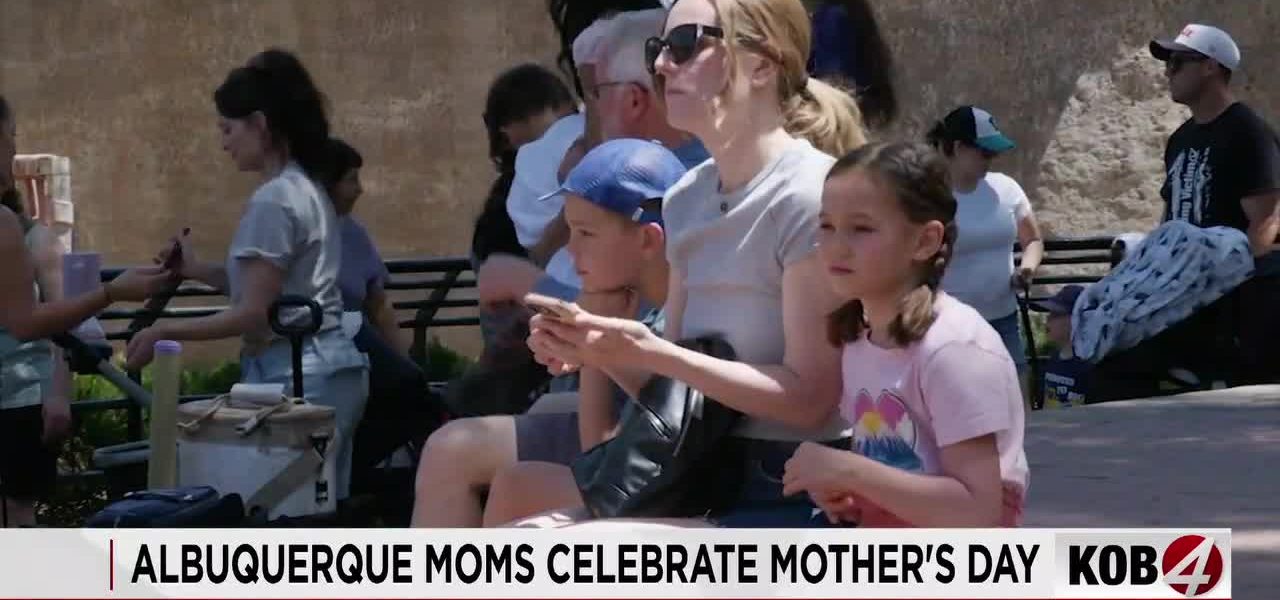
POLICY WIRE — Albuquerque, N.M. — Forget the flowers, for a moment, and consider the economics of civic celebration. On a recent Sunday, as families converged on Albuquerque’s BioPark for Mother’s Day festivities, what unfolded wasn’t just heartwarming sentiment. It was a fascinating micro-economy, a public-private ballet featuring mariachi bands, Bloody Mary bars, and countless small, spontaneous transactions. But beyond the surface-level cheer, what does a publicly funded institution becoming a commercialized holiday hub truly tell us about urban life in America?
It’s a curious tableau, isn’t it? Public parks, once bastions of quiet respite, now buzz with themed events, designed to pull in consumer dollars while delivering ‘experiences.’ The BioPark’s Mother’s Day shindig — seven performance areas, local music, face painting, even mimosas alongside the grizzly bears — exemplifies this evolving purpose. It wasn’t just about admiring animals; it was a carefully curated package deal. For families like the Romeros, with first-time mom Victoria savoring the live music with baby Scarlett, it made the day “stand out.” And why wouldn’t it? An all-in-one entertainment solution in a world where parents are perpetually strapped for both time — and novelty. It’s smart, really, when you think about it.
Because, let’s face it, public spaces must now compete for attention — and revenue. Albuquerque’s BioPark isn’t alone in this. From sprawling botanical gardens to science museums, institutions are increasingly leaning into holiday programming and commercial ventures to shore up budgets. A recent report by the National Association of Zoological Parks and Aquariums indicated a 12% rise in special event attendance across member institutions nationwide last year, directly correlating with increased visitor spending on concessions and merchandise.
And then there’s the broader narrative. Michelle Morales, who trekked from El Paso with her mom and seven siblings for the event, wasn’t just seeking entertainment; she was seeking a destination. “It’s like a time that we get to spend more time with her and it’s not like something we usually do in our regular routine,” Morales shared, her words hinting at a longing for shared moments outside the mundane. This search for connection, this yearning for a novel backdrop to family gatherings, drives significant tourism and local spending, even for seemingly modest events.
This quest for community hubs isn’t unique to the American Southwest, either. You see similar drives for public leisure spaces across the globe, from the meticulously planned green spaces of Islamabad to the bustling cultural festivals in Lahore. There’s an innate human desire to gather, to celebrate family — and heritage, that transcends borders. Providing safe, engaging environments for these moments? That’s good policy, — and it’s good business. But it’s also about validating traditional values — the matriarch at the center of the family unit, deserving of celebration, no matter where you are.
Mayor Timothy Reynolds (D-Albuquerque) certainly sees it that way. He remarked, during a brief interview, These events aren’t just feel-good moments; they’re essential community anchors. They stitch our social fabric back together, provide economic ripples for local businesses, and — quite frankly — give our residents a darn good reason to stay put and spend their hard-earned dollars right here in town.
His pragmatic view reflects a growing trend among municipal leaders to leverage public amenities for broader urban development goals. But for some, this commercialization treads a thin line.
📄 POLICY WIRE WHITEPAPER PUBLISHED: PAKISTAN'S NATIONAL SECURITY POLICY PRIORITIES
👉 READ BY CLICKING HERE“We must never lose sight of the primary educational — and conservation missions of places like the BioPark,” argued Dr. Anya Sharma, Director of Public Programming for the New Mexico Department of Cultural Affairs, her tone notably cooler. While community engagement is key, turning every public holiday into a revenue-generating spectacle risks eroding the quiet, reflective experiences that public institutions were originally designed to provide. There’s a balance we simply can’t ignore, or we lose something intangible, something truly priceless.
It’s a sentiment many purists share—the subtle battle between the wallet and the soul of public service.
What This Means
The Albuquerque BioPark’s Mother’s Day event, like countless similar occurrences nationwide, speaks volumes about the evolving contract between urban populations and their public institutions. Economically, these celebrations act as localized stimuli, channeling household disposable income into the leisure and hospitality sectors. They support local artists, food vendors, — and service staff, creating temporary employment and tax revenue streams. But, they also normalize a transactional relationship with public goods. Instead of simply being open green spaces, these facilities are now expected to be profitable, experiential venues, demanding innovative programming to justify their existence and ongoing public investment.
Politically, such events offer tangible, feel-good wins for local administrations. They’re photo opportunities and popularity boosters, demonstrating a government’s commitment to community quality of life. This can be particularly true in an age where voters demand more immediate returns on their tax dollars. However, the shift raises questions about equity: who benefits most from these commercialized offerings? Are public parks, increasingly reliant on paid events, still serving their foundational role as accessible-to-all retreats? The line between public service and market-driven entertainment grows blurrier with every mimosa served alongside the meerkats.
The subtle tension between maintaining a civic amenity’s core mission — whether it’s education, conservation, or simple respite — and the economic imperative to generate revenue is a continuous policy challenge. This balancing act also has broader implications for family structures and childhood development, as institutions compete for parental attention and spending. While the mariachi played on in Albuquerque, these deeper currents silently shaped the very definition of a public park in the 21st century. It’s a pattern, some might say, mirrored in cities grappling with their own versions of economic divides and community engagement issues.