

Ceasefire Chatter Meets Drone Swarms as Gulf Braces for Realpolitik Fallout
POLICY WIRE — DUBAI, United Arab Emirates — The scent of petroleum, usually an indicator of wealth and flow in this part of the world, now just signals volatility. And so it went this past weekend,...

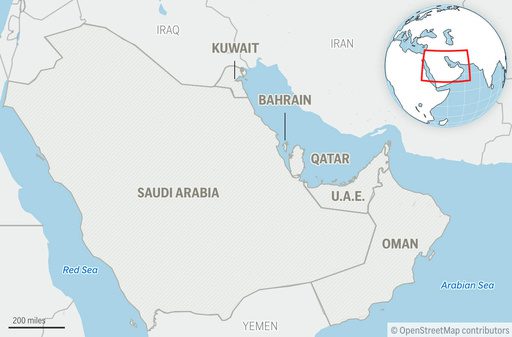
POLICY WIRE — DUBAI, United Arab Emirates — The scent of petroleum, usually an indicator of wealth and flow in this part of the world, now just signals volatility. And so it went this past weekend, with drone incursions buzzing over the UAE and Kuwait and a fiery incident near Qatar – a cacophony of small bangs that almost drowned out the whispers of an Iranian ceasefire response being shuttled through Pakistani intermediaries. It’s quite the theatrical charade, isn’t it? Diplomatic notes exchanged in air-conditioned anonymity, while actual flying objects inflict damage just offshore, challenging a fragile, barely-there truce.
Tehran, we’re told by state media, dispatched its terms for ending the current hostilities to Washington via Islamabad. Pakistan confirmed it had done the legwork. Iran’s position, per their broadcasters, isn’t just about putting down arms but ensuring a complete cessation of conflict, from the shipping lanes to Lebanon’s fractious border, where Israel continues to trade blows with Hezbollah. They’re even keen on guaranteeing safe passage for maritime trade—a point of some contention given current events. But the finer points of their nuclear ambitions? Well, those, they’d prefer to kick down the road a bit, which tells you all you need to know about priorities.
Washington’s initial proposal had been a comprehensive package: war cessation, reopening the Strait of Hormuz, and crucially, winding back Iran’s nuclear program. That last bit seems to stick in Tehran’s craw like a chicken bone. U.S. Ambassador to the United Nations, Mike Waltz, ever the optimist, insisted Washington is giving diplomacy “every chance we possibly can before going back to hostilities.” Fine words, perhaps. But one wonders if the Pentagon’s listening.
Meanwhile, the Strait of Hormuz—that watery chokepoint through which much of the world’s oil and gas flows—remains an absolute mess. Iran hasn’t exactly reopened it for business since the war kicked off. The U.S. has responded with blockades of its own. It’s a game of chicken played with supertankers. The American military boasted it’s turned back 61 commercial vessels — and disabled four since April 13. Hard figures, those, which make the talk of ‘ceasefire’ feel a tad detached from reality.
And reality hit harder still over the weekend. A commercial ship caught fire off Qatar after a drone hit. The United Arab Emirates — and Kuwait both reported hostile drones invading their airspace. The UAE didn’t mince words; they blamed Iran. No casualties, thank heavens, but a clear signal sent. Who needs an anonymous claim when the message is that blatant? South Korea, by the way, is still investigating an attack on one of its ships in the Strait, where navies from outside the region find themselves in ever-tenser situations.
Then there’s the whole nuclear elephant in the room. The U.N. nuclear watchdog estimates Iran now has north of 440 kilograms of uranium enriched up to 60% purity. That’s, for those keeping score, just a hair’s breadth from weapons-grade. Iran’s Brigadier General Akrami Nia, an army spokesperson, didn’t exactly soothe nerves, declaring forces were on “full readiness” to protect their nuclear sites. “We considered it possible that they might intend to steal it through infiltration operations or heli-borne operations,” he told state media. One might call that ‘paranoid,’ but after years of covert operations, who could blame ’em?
📄 POLICY WIRE WHITEPAPER PUBLISHED: PAKISTAN'S NATIONAL SECURITY POLICY PRIORITIES
👉 READ BY CLICKING HEREOf course, this just pours fuel on Benjamin Netanyahu’s fire. The Israeli Prime Minister is unwavering. “Trump has said to me, ‘I want to go in there,’ and I think it can be done physically,” he remarked, perhaps forgetting that the last word typically rests with someone else. Russian President Vladimir Putin, though, keeps pushing for a more diplomatic route, reminding everyone his offer to ferry out Iran’s enriched uranium is still on the table. A rather ingenious gambit, it’s—giving Russia a continued role while denying a full-blown crisis, a strategic maneuver often seen in delicate geopolitical standoffs.
What This Means
This latest dance between diplomacy — and actual violence suggests we’re stuck in a holding pattern. The ceasefire talk isn’t a sign of peace breaking out, but rather a reflection of both sides trying to manage an unmanageable situation without triggering total escalation. Pakistan’s role as mediator, though, can’t be dismissed. For a country already navigating its own internal storms, hosting such critical exchanges offers a rare, if precarious, moment on the global stage. It highlights Islamabad’s unique, complicated position within the Muslim world, attempting to walk a tightrope between an assertive Iran and its Western and Gulf neighbors.
But the real sticking point? It’s the enriched uranium. Iran won’t just ‘discuss it later.’ It’s an issue with both domestic pride — and serious regional implications. The nuclear question sits right at the heart of Iran’s foreign policy calculations, driving a wedge between its willingness to talk and its desire to preserve what it sees as its strategic leverage. Unless a deal addresses that material with genuine finality, this particular Middle Eastern pressure cooker will just keep on hissing. The drones? They’re simply a visible symptom of a much deeper, more fundamental malady.