


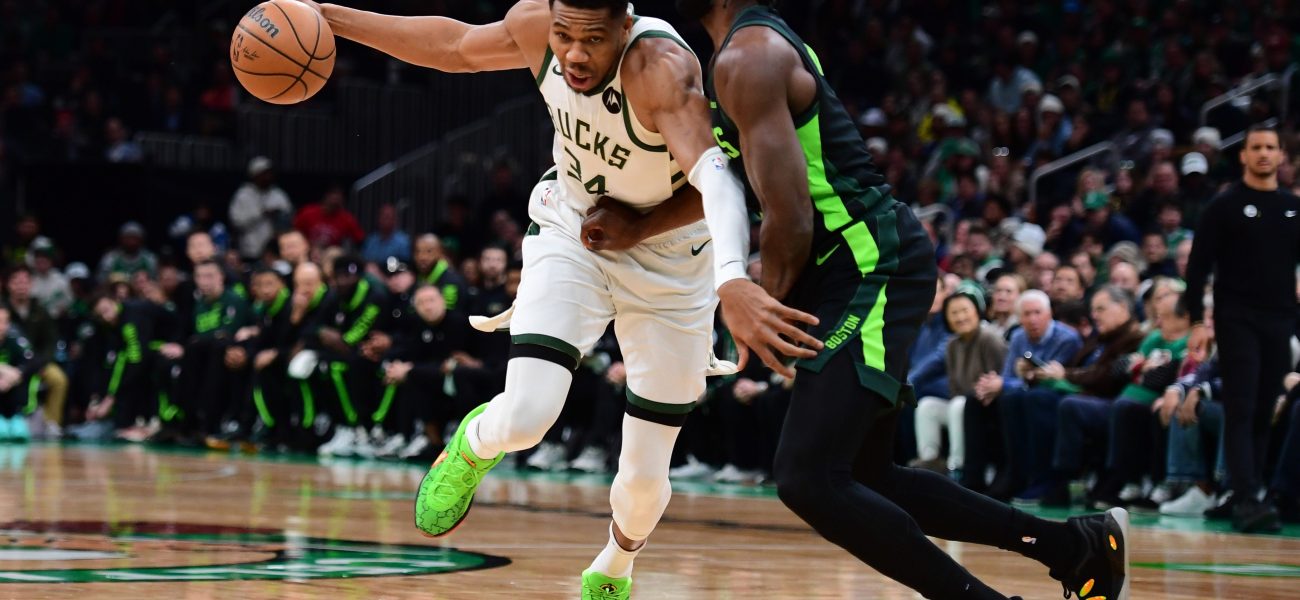
The Apex Predator Playbook: Why Boston’s Obsession with Giannis Exposes NBA’s Brutal Market Logic
POLICY WIRE — Boston, MA — It wasn’t a dazzling triple-double or a last-second buzzer-beater that rattled the foundations of the league’s front offices this past season; it was a whisper. A...

POLICY WIRE — Boston, MA — It wasn’t a dazzling triple-double or a last-second buzzer-beater that rattled the foundations of the league’s front offices this past season; it was a whisper. A soft, persistent hum of discontent in a superstar’s ear, echoing across franchise valuation spreadsheets and escalating luxury tax projections. We’re not talking about geopolitical brinkmanship here, not directly. But the ruthlessly efficient, often brutal, mechanics of professional basketball mirror—strikingly—the cutthroat negotiations in sovereign debt markets, where stability is a fleeting mirage and a single bad bet can sink an entire economy. This isn’t just sports chatter, mind you. It’s high finance draped in athletic jerseys.
For months, the persistent scuttlebutt around Boston’s fixation on Milwaukee’s prodigious talent, Giannis Antetokounmpo, has simmered. Sam Amick, the sharp-eyed observer from The Athletic, reported last season that the Celtics were already quietly poking around, exploring the financial labyrinth a trade of this magnitude entails. Most analysts — they chalked it up to ‘cursory’ interest, a routine temperature check in the febrile NBA trade market. But Amick, ever the cynic, suggested something far deeper was brewing.
And he wasn’t wrong. Post-season collapses tend to sharpen appetites for radical change. When Jaylen Brown, the Celtics’ athletic wing, seemed to air grievances after a disappointing playoff exit—frustrations that Hall of Famer Tracy McGrady helpfully amplified—it ignited the powder keg. It doesn’t take a forensic accountant to see the writing on the wall: the Boston Celtics, despite a league-best regular season and deep playoff runs, haven’t quite sealed the deal. They haven’t captured that elusive banner. And for franchises operating at this altitude, almost winning is just losing with more steps. The price of near-misses is paid in strategic overhauls — and sometimes, frankly, in seismic personnel shifts.
“This isn’t just about talent; it’s about cap sheets, franchise valuations, and — frankly — managing owner expectations that are increasingly out of whack with salary cap realities,” a seasoned NBA General Manager, speaking off the record due to the sensitive nature of superstar trade speculation, confided to Policy Wire. “Every franchise wants an alpha. But finding one available and making the numbers work, it’s like trying to build a stable economy during a global recession. One false move — and you’re staring down bankruptcy.” His grim assessment isn’t just bluster. It’s the lived reality of navigating a multi-billion dollar enterprise where perceived weaknesses become amplified almost instantaneously by public narrative.
Giannis, the ‘Greek Freak,’ has articulated his desire for a ‘true contender.’ That simple declaration is an earthquake in market terms. It shifts power dynamics, creates bidding wars, and puts smaller markets — like Milwaukee, despite their past championship success — on edge. It’s a phenomenon we see replicated in resource-rich but geopolitically fragile nations; their internal dynamics suddenly beholden to external market demands and the whims of global power brokers. Just look at the international oil markets: political instability in a producing nation ripples across the globe, driving up prices and changing trade alliances. Player movements aren’t that different in their economic impact.
The global sports economy is experiencing unprecedented growth. A hard statistic: the NBA’s latest media rights deal, currently under negotiation, is expected to surge past its current nine-year, $24 billion agreement to potentially over $75 billion. (Source: Wall Street Journal, citing league sources). This isn’t just money changing hands; it’s a massive injection of capital, shaping everything from player salaries to global marketing initiatives. For a franchise like the Celtics, acquiring a talent like Antetokounmpo isn’t merely about winning a championship; it’s about amplifying their share of this burgeoning global pie. It means higher broadcast revenue, more merchandise sales across continents — extending their brand footprint, for example, deep into burgeoning fan bases in places like Pakistan, where basketball’s popularity is steadily rising amidst the cricket frenzy, propelled by digital media consumption and the heroic narratives of players like Giannis.
“Players like Antetokounmpo are multinational corporations themselves. Their brand value, their global appeal, it transcends the game itself. A move like this? It’s a seismic event in the sports-industrial complex, impacting everything from merchandising to broadcast rights in emerging markets, from Karachi to Kuala Lumpur,” offered Dr. Anya Sharma, a prominent sports economics analyst with the Stratagem Group, illustrating the intricate, global web of this potential transaction. Because make no mistake, every dribble has a dollar sign attached.
What This Means
The speculation surrounding Giannis Antetokounmpo and the Boston Celtics isn’t just locker room gossip; it’s a powerful indicator of the evolving political economy of professional sports. Firstly, it highlights the intense pressure on historically successful franchises to maintain their winning traditions, even if it means orchestrating blockbuster trades that mortgage significant parts of their future. Secondly, it underscores the precarious position of even championship-winning smaller markets. Player mobility, fueled by massive contracts and the pursuit of championships, means that loyalty often takes a back seat to financial and competitive ambitions. This isn’t unique to basketball; it’s a phenomenon seen across industries where highly skilled, in-demand talent can dictate terms. From a broader economic lens, the aggressive pursuit of ‘superteams’ reflects an oligopolistic tendency in major sports leagues. A few dominant teams corner the market for top talent, which—paradoxically—can both boost league revenues (due to star power) and raise concerns about competitive balance. We saw echoes of this in the brutal economics of NFL roster churn. Lastly, the geopolitical undercurrents are undeniable: the NBA’s aggressive push into international markets means that a star’s country of origin, his global appeal, and even subtle comments about team culture carry far more weight than ever before. This is an economy driven by star power, brand allegiance, — and the relentless quest for market dominance.