

Wilderness’s Raw Edge: Fatal Bear Attack Jolts Glacier, Igniting Old Debates
POLICY WIRE — West Glacier, Montana — They say the wild calms the soul. They market it on brochures—an unspoiled retreat where humanity melts into grandeur. But sometimes, the wild pushes back. Hard....

POLICY WIRE — West Glacier, Montana — They say the wild calms the soul. They market it on brochures—an unspoiled retreat where humanity melts into grandeur. But sometimes, the wild pushes back. Hard. The recent, grim discovery in Glacier National Park didn’t just punctuate a life; it ripped a hole in that pastoral fantasy, reigniting familiar, uncomfortable discussions about our place in nature—or, more accurately, its place, increasingly shrinking, among us.
It wasn’t an ordinary trail mishap. Not a twisted ankle or a misplaced map. It was the remains of a lone hiker, deep in the backcountry, with every sign pointing to a confrontation with a grizzly. And let’s be frank, confrontations in their domain don’t often end well for us. Officials haven’t released the victim’s name, maintaining a privacy—a small grace in a stark scenario. But the event itself? It’s a loud, unavoidable alarm.
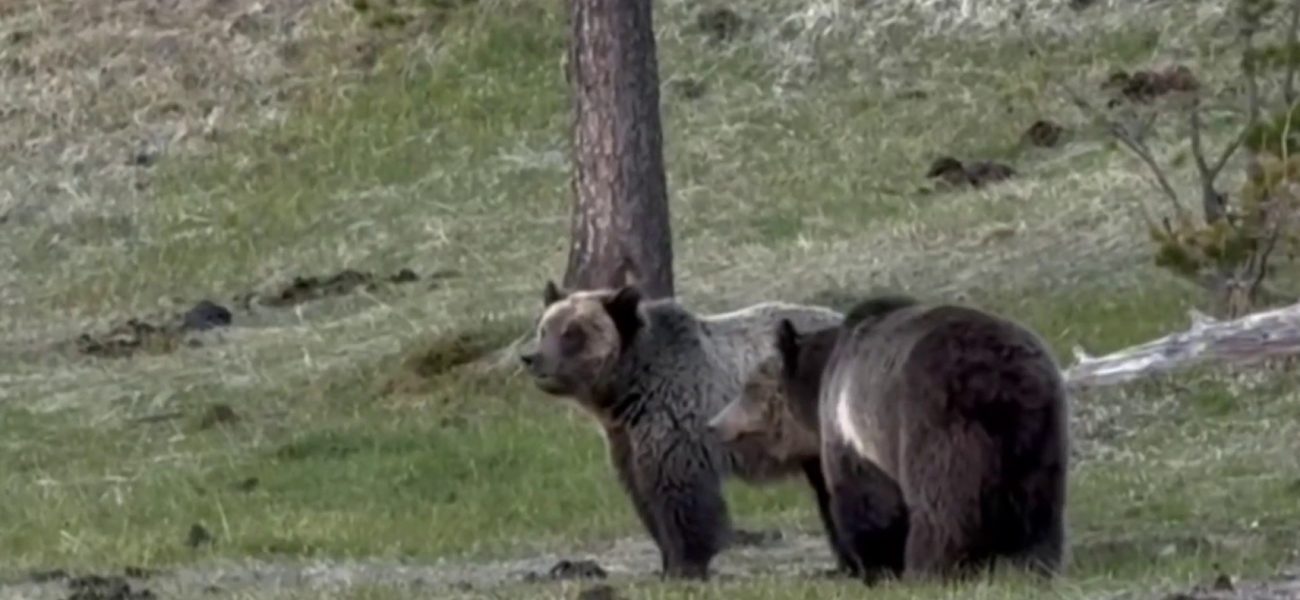
Glacier, it’s a jewel. About 3 million folks troop through its gates annually, (that’s according to National Park Service data, and it’s trending upwards, mind you), seeking Instagram moments and maybe a little perspective. Most find it without incident. But the grizzly? They’re monarchs here. They don’t take bookings; they simply are. Their numbers, once dangerously low, have clawed back, thanks to a concerted conservation effort. Good for them. Bad sometimes, it seems, for us. Park Superintendent Eleanor Vance, a veteran of these wild bureaucratic skirmishes, sounded the expected notes. “Our deepest condolences go out to the family,” she stated, her voice tight, a hint of weariness audible. “We’ve always known the risks. We communicate them constantly. But you can’t fence off nature. You can’t put a bulletproof vest on every tree.” She’s not wrong. It’s a calculation hikers make. Most simply hope for the best.
This incident isn’t a one-off anomaly. These creatures, they need space. They need food. Their patterns, however, are shifting. Climate change—it’s not just melting glaciers; it’s messing with ecosystems. Food sources move. Bears move. People, well, people always want to see a bear. It’s a circle, see? A sometimes-fatal one.
Congressman Mark Jenkins (R-MT), representing a district that hugs much of this wild expanse, acknowledged the public’s anxiety but didn’t veer from a pro-wildlife stance. “We live next to a dynamic ecosystem,” he told Policy Wire, a pragmatic edge to his voice. “You’re not going to ‘solve’ grizzlies. They’re a protected species, an American icon. What we can do is redouble our education efforts and perhaps revisit management strategies, not to remove bears, but to better manage human interaction. Tourism is our lifeblood here, don’t forget that.” It’s about finding that razor-thin line.
📄 POLICY WIRE WHITEPAPER PUBLISHED: PAKISTAN'S NATIONAL SECURITY POLICY PRIORITIES
👉 READ BY CLICKING HEREAnd these lines aren’t just drawn across American landscapes. Think globally. From the elusive snow leopards retreating into ever-higher altitudes in Pakistan’s Gilgit-Baltistan region—where human presence expands amid environmental degradation—to tigers losing habitat in India, the story’s depressingly familiar. Predators everywhere face encroaching humanity, — and the interactions aren’t always picturesque. They’re often tragic. Sometimes, grisly. Pakistan, like us, is learning that balancing economic needs with ecological preservation isn’t some academic exercise; it’s a brutal reality played out in the mountain passes and valley floors. We’re all in this environmental boat, after all, some just navigating rougher seas.
What This Means
This tragic incident, while localized, ripples outwards. Economically, it casts a slight chill on Glacier’s robust tourist industry. While savvy operators know it’s a rare event, headlines stick. It also inevitably fuels a recurring, localized political squabble over grizzly management. Conservationists want more buffer zones, less human footprint. Ranchers and some rural communities often feel hemmed in, calling for more aggressive control, sometimes even delisting the grizzly from federal protection to allow state-level management, which they believe would mean more flexibility for culling.
But the broader implications concern our relationship with the wild. We’ve built an entire industry around showcasing nature’s untamed beauty, yet we bristle when that beauty proves truly untamed. This isn’t just a park issue; it’s a land use question. As populations swell — and our desire for wild escapes intensifies, the points of friction multiply. Policymakers, already grappling with climate impacts on everything from agriculture to infrastructure, now face an amplified, uncomfortable truth: the wilderness isn’t just pretty pictures. It’s a complex, sometimes dangerous, ecosystem demanding respect—and a heck of a lot more smart, nuanced management than we’re currently giving it.