


Red Devil Roster Roulette: Missing Midfielder Exposes United’s Perilous Patchwork
POLICY WIRE — London, UK — The 0-0 draw at Sunderland wasn’t just a dropped two points for Manchester United; it was an archaeological dig into the brittle foundations of a club too often...

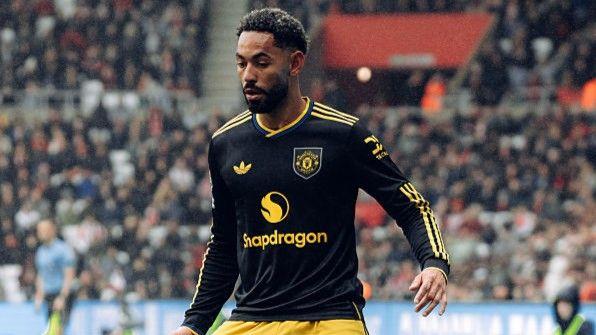
POLICY WIRE — London, UK — The 0-0 draw at Sunderland wasn’t just a dropped two points for Manchester United; it was an archaeological dig into the brittle foundations of a club too often praised for individual brilliance while systemic flaws festered. They weren’t just missing Casemiro. They were missing ideas. A spine. Basic competence, for long stretches.
No, this wasn’t some shocking revelation from the Stadium of Light, merely another grim confirmation. Manager Michael Carrick might tell you he ‘almost got offended’ by suggestions his side was ‘on the beach,’ (a classic end-of-season accusation, if there ever was one). But when your side fails to register a single shot on target until injury time against a mid-table squad, the defense writes itself, doesn’t it?
It’s plain as day: take out their 34-year-old Brazilian anchor, — and United’s midfield instantly deflates, turns porous. And it’s not some abstract theory. According to club records, this season, Manchester United has failed to secure a league victory in any of the four matches Casemiro has been absent from the starting eleven. That’s a stark dependency for a club with purported title aspirations, even if those have long since dissolved into faint echoes.
The immediate narrative pointed to Casemiro’s hamstring tweak. Fair enough. But the subsequent performance, which saw young Kobbie Mainoo shifted back into a holding role and a pedestrian midfield performance featuring Mason Mount, merely illuminated deeper cracks. It exposed a transfer strategy that often looks more like retail therapy than strategic investment, a scattergun approach leaving crucial positions without proper, quality cover. Carrick had a couple of choices for Casemiro’s replacement: move Mainoo, or throw in a 19-year-old with zero senior starts. Not exactly brimming with robust options, is it?
The Black Cats’ manager, Regis Le Bris, saw it, too. His side, he said, had ‘more control.’ And he was disappointed not to snatch all three points. He spoke eloquently on the invaluable, often unseen, contributions of seasoned professionals like Casemiro, drawing a parallel to his own experienced midfielder, Granit Xhaka. “It’s hard to quantify but they’re so important,” Le Bris observed, his French accent perhaps lending extra weight to the nuance. “On one side they’ve experience so they can manage the momentum — and flow of the game even if it’s really emotional. But they’re also great players.” He explained it’s not always about sheer physicality, but about leadership and reading the game, steering the ship when the winds kick up. Something United evidently lacked in spades. Because, sometimes, experience just can’t be bought off the shelf with shiny new prospects.
United’s xG (expected goals) rating for the match stood at a paltry 0.4, against Sunderland’s 1.2, painting a clearer picture of their attacking ineptitude than any post-match spin. They were truly, fundamentally outplayed. And yes, Carrick made five changes, trying to rotate a tired squad, but that just compounds the issue, doesn’t it? It suggests he can’t trust the second string.
📄 POLICY WIRE WHITEPAPER PUBLISHED: PAKISTAN'S NATIONAL SECURITY POLICY PRIORITIES
👉 READ BY CLICKING HEREElliot Anderson, Carlos Baleba, Adam Wharton, Mateus Fernandes, Alex Scott – the rumor mill grinds on for potential summer targets. Young, talented. But as Le Bris indirectly reminded everyone, the void left by a veteran presence, a calming influence, might demand more than just youthful vigor. You can’t expect a rookie to simply ‘manage the momentum’ like someone who’s seen it all before. This isn’t just about athletic capability; it’s about the very architecture of a winning squad. And United, frankly, looks like a building with structural damage. They’re struggling to secure key signings in a volatile global market.
It brings to mind the intense fiscal pressures felt by clubs even in burgeoning football markets like Pakistan. The stark contrast between the bottomless coffers of a European giant like United and the struggle for basic infrastructure or consistent player wages elsewhere is immense. For instance, the very idea of a footballer’s multi-million dollar transfer fee resonates quite differently in Karachi, where the public discussion often veers to a cricket player’s viral encounter unpacking the nation’s fiscal agony – it highlights a global financial chasm, one that funds exorbitant player purchases for clubs that, ironically, then fail to adequately replace their single most expensive piece. It’s a disconnect, a sharp commentary on modern sports economics.
What This Means
This single draw isn’t merely about two points. It’s a flashing red light for Manchester United’s executive leadership. Their dependence on an aging midfielder, coupled with the squad’s general lack of quality depth, indicates a failure of long-term planning and investment strategy. Economically, they’re trapped: their commercial revenue affords massive outlays, yet inefficient spending and poor scouting means they’re not getting value for money. They aren’t just buying players; they’re trying to buy time, — and it’s running out. The systemic issue here isn’t just recruitment; it’s a corporate culture that appears to prioritize individual star power over collective cohesion, a common failing in organizations trying to ‘buy success’ rather than cultivate it organically.
Politically, the narrative around a club of United’s stature influences global perceptions, attracting massive fan bases from emerging economies who invest emotional (and sometimes real) capital. When such a prominent institution falters so dramatically, it can reflect poorly on the perceived professionalism and meritocracy of Western sports. This ongoing drama at Old Trafford offers a window into the broader economic dynamics of modern football – an era of hyper-inflated valuations clashing with the brutal realities of on-pitch performance. If you can’t manage without one veteran, what happens when half the team is gone? It’s not a comforting thought, not for fans, — and certainly not for the bottom line. It signals instability, a struggle for relevance, in an increasingly cut-throat global market.