


Six-Figure Questions: Pakistani Cricketer’s Viral Encounter Unpacks a Nation’s Fiscal Agony
POLICY WIRE — Islamabad, Pakistan — It wasn’t a dazzling cover drive or a match-winning yorker that captured Pakistan’s collective imagination this week. Instead, it was a terse, almost painfully...

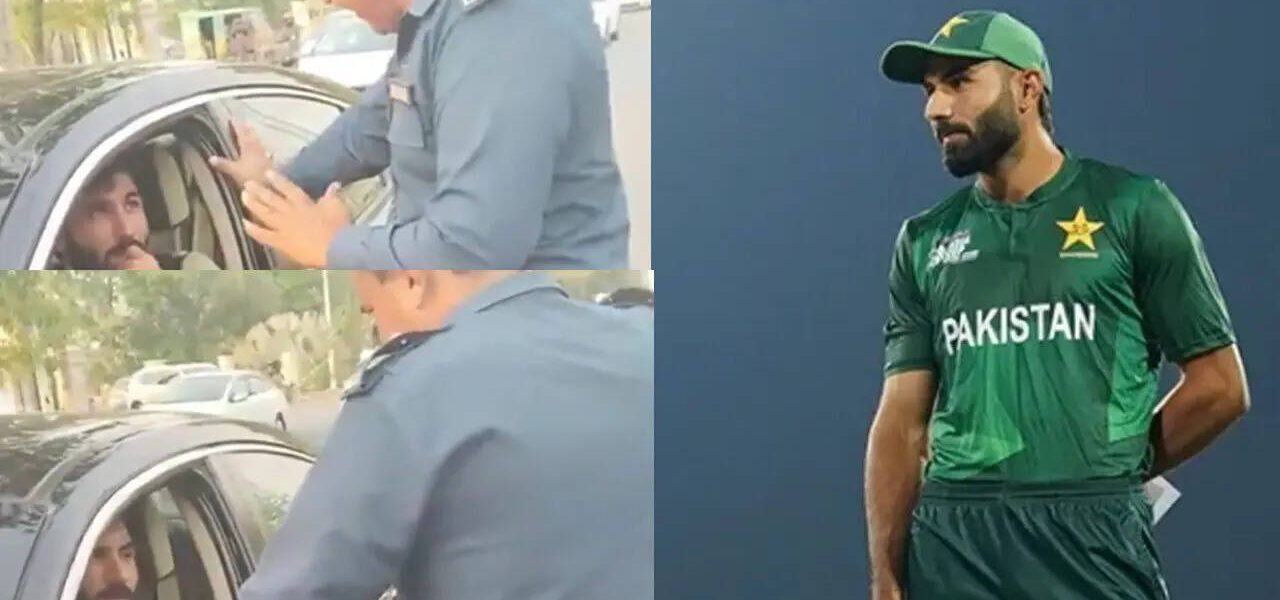
POLICY WIRE — Islamabad, Pakistan — It wasn’t a dazzling cover drive or a match-winning yorker that captured Pakistan’s collective imagination this week. Instead, it was a terse, almost painfully relatable exchange, filmed clandestinely on a phone, between a revered national cricketer and a uniformed police officer. An unlikely tableau, perhaps, but one that’s become an unexpected — and unsettling — mirror for a nation wrestling with fiscal distress and an escalating sense of economic injustice. And the question at its heart? A simple, cutting query: ‘Ek chakke ke kitne paise milte hain?’ How much do you earn for a single six?
This isn’t about mere sports chatter, of course. It’s a loaded question, whispered perhaps a million times daily in different forms across the country, now delivered by an agent of the state to one of its privileged sons. It punctures the illusion of glamour, dragging the high-stakes world of international cricket into the grinding reality of daily survival that defines life for most Pakistanis. That brief interaction—captured somewhere along a Karachi street—didn’t just go viral; it ignited a simmering debate about wealth, work, and who truly benefits when national pride is on the line. It really did.
For a country perpetually navigating the jagged edges of IMF loans — and galloping inflation, symbols matter. Cricketers in Pakistan are more than athletes; they’re demigods, brand ambassadors, often seen as exemplars of success in a challenging landscape. So, when a cop, likely earning a meager government salary, dares to ask a global superstar about the pecuniary rewards of a six—a common enough occurrence in a T20 match—it stops being about batting averages and starts being about socio-economic stratification. You can’t just dismiss it.
“Our athletes, while icons, are not immune to the nation’s struggles. We must ensure their public image reflects both success and responsibility, especially when national morale is, frankly, fragile,” offered Mr. Ahsan Raza, a senior official at the Pakistan Sports Board, commenting on the widespread reaction to the video. It’s a delicate balance, maintaining athletic prestige while acknowledging public sentiment in tough times. Nobody wants to be seen as out of touch, do they?
Because the average Pakistani doesn’t ask ‘how many runs?’; they’re asking ‘how much money?’ and ‘why not me?’ Inflation here remains a cruel taskmaster, hovering at 23.1 percent as of January 2024, according to the Pakistan Bureau of Statistics, pulverizing household budgets. But then you have these moments, fleeting glimpses of luxury juxtaposed with hardship, and that’s when resentment festers. It’s the small stuff that breaks the camel’s back, often.
But the viral moment speaks to more than just economic disparity. It’s about a cultural reckoning. Public servants—often derided for corruption or inefficiency—are themselves under immense financial strain. Their uniforms grant them authority, yes, but often little else. To see one of them confront a figure of sporting opulence, albeit conversationally, reflects a deep-seated public yearning for transparency, for an accounting. Why wouldn’t they? We all want answers.
“The exchange, trivial as it may seem, captures a growing frustration within Pakistani society,” stated Dr. Sameera Khan, an Islamabad-based economist, during a recent Policy Wire roundtable. “It’s the common man asking ‘what’s my cut?’ from perceived national success, a poignant commentary on wealth distribution and the state of our fiscal health. It isn’t just about the money in cricket; it’s about the broader economy, really.” The implications run deep, she insists.
And these little moments of digital dissent, recorded and amplified by a populace fed up with their lot, they become significant. They provide an unofficial channel for public sentiment, bypassing traditional media filters. Social media doesn’t care about decorum; it thrives on raw, unvarnished truth, or at least a perception of it. It’s why a mundane traffic stop becomes an economic referendum, you see.
What This Means
This viral exchange isn’t just a quirky anecdote; it’s a symptom, a stark indicator of mounting socio-economic pressure in Pakistan. For political elites, it’s a subtle warning sign that the public’s patience with ostentatious displays of wealth—or even perceived wealth—is wearing thin against a backdrop of austerity. It suggests a potential shift in the narrative around national heroes, away from uncritical adulation and towards a demand for greater accountability, even if it’s just rhetorical. The political implications are clear: leaders must recognize that their rhetoric about shared sacrifice rings hollow if stark disparities continue to be exposed, especially in such candid, uncontrollable ways. Economically, such public outbursts, even if fleeting, can erode consumer confidence and feed into narratives of instability, making the nation less appealing for crucial foreign investment. But perhaps most tellingly, it demonstrates how ordinary citizens are increasingly using digital tools to articulate deep-seated grievances, effectively putting public figures—and the systems they represent—on trial, one viral video at a time. It’s a democratization of critique, a new battleground for accountability. This sort of thing spreads faster than anything. You can’t stop it.