


Dust Devil on the Plains: Regional Vote Ignites Australia’s Culture War
POLICY WIRE — Brisbane, Australia — The Australian heartland, often seen as a political sleepy hollow, is humming with a distinctly aggressive buzz these days. It’s not just the cicadas, though their...

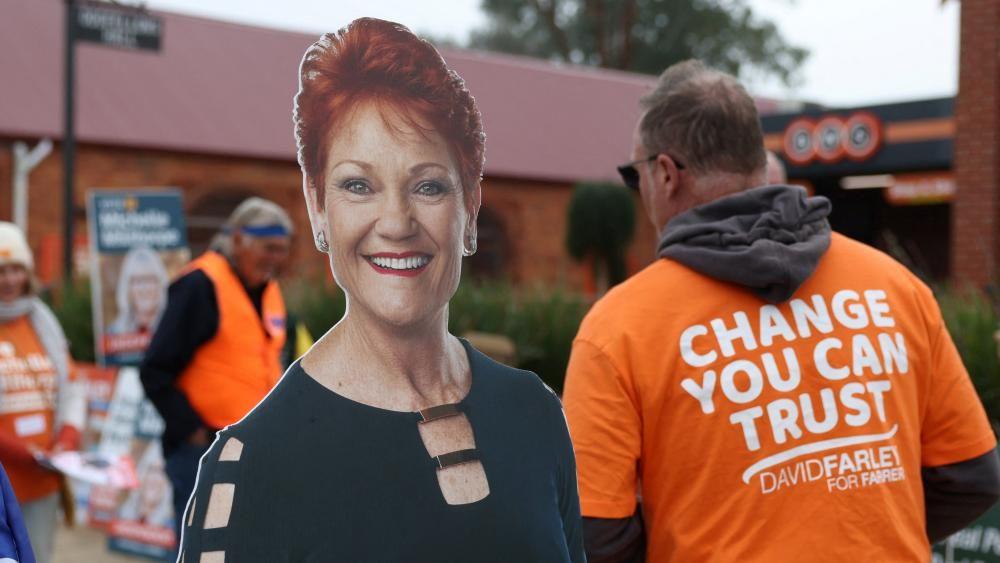
POLICY WIRE — Brisbane, Australia — The Australian heartland, often seen as a political sleepy hollow, is humming with a distinctly aggressive buzz these days. It’s not just the cicadas, though their shrill chorus often mirrors the national discourse—loud, incessant, and vaguely alarming. No, the real noise is coming from Maranoa South, a sprawling, sun-baked federal electorate in Queensland, where a by-election for an unexpected vacancy has become far more than a routine democratic exercise. It’s turned into an electoral brawl, a true blue, knock-down-drag-out fight that tells us more about the nation’s agitated mood than any Canberra pundit ever could.
Because, make no mistake, this isn’t just about replacing a recently retired backbencher. This vote—unheralded, local, and ostensibly inconsequential—is morphing into an unexpected referendum on the trajectory of the nation itself. It’s a gut check, if you will, on how much traction Australia’s more insular, ‘us-first’ voices truly command when put to the ballot. Everybody’s watching, even if they don’t wanna admit it.
The spotlight, naturally, glares most fiercely on Pauline Hanson’s One Nation party. They’ve traditionally done well out here, capitalizing on the anxieties of folks feeling left behind by urban elites and global tides. But this time, their campaigning has taken on an almost feverish pitch, transforming local issues of drought and struggling industry into broad-brush accusations against Canberra, against globalization, against — well, you get the picture. They’re tapping into a raw vein of discontent, alright. A palpable anger, a yearning for simpler times when borders felt firmer — and jobs, presumably, stuck around.
“We hear their concerns, about jobs heading overseas and our values being diluted, and frankly, so do we,” offered One Nation’s lead Senate candidate for Queensland, Malcolm Roberts, in a rare, somewhat measured address last week. “It’s about Australians first. Always has been. That’s not complicated, is it?”
But the complexities of modern Australia, much like the geopolitical currents swirling around it—consider diplomacy’s discord in a leaderless global orchestra—don’t exactly lend themselves to simple slogans. Major parties, like the governing Coalition, find themselves walking a tightrope, trying to recapture disillusioned traditional voters without alienating more moderate segments of their base. They’re trying to whisper sweet nothings to regional voters while keeping an eye on the metro polling numbers, too. It’s a delicate dance, often ending with two left feet.
Even though Australia seems geographically distant from much of the Muslim world or South Asia, the implications of a One Nation surge in places like Maranoa South aren’t lost on observers across the Indian Ocean. Anti-immigration rhetoric, a cornerstone of One Nation’s platform, doesn’t just stop at Australian shores. It has ripple effects, influencing perceptions of multiculturalism, trade policy, and even regional diplomatic engagement. Pakistan, for instance, a nation grappling with its own internal dynamics, keenly observes how Western democracies navigate populist waves, especially when rhetoric can bleed into international relations. What’s said here, especially about immigration, echoes globally. It always does.
Consider the raw numbers: a recent analysis by the Australian Electoral Commission revealed that, over the past decade, primary votes for minor parties and independents in regional by-elections have, on average, seen a 7.3% swing in their favor compared to preceding general elections. That’s a chunky number. It’s enough to spook established political machines, forcing them to divert resources and attention to contests they’d usually wave through.
📄 POLICY WIRE WHITEPAPER PUBLISHED: PAKISTAN'S NATIONAL SECURITY POLICY PRIORITIES
👉 READ BY CLICKING HEREThe incumbent parties, therefore, can’t afford to be complacent. “Our strength lies in our diversity, in our ability to innovate and connect with the world, not retreat from it,” declared Senator Penny Wong, Australia’s Foreign Minister, from a very different-looking, less dusty stage earlier this month. “We must champion unity and progress, or risk handing our future to those who offer only division and decline.” Strong words, certainly. But can they cut through the noise down in Maranoa South? We’ll find out soon enough.
And so, as the cattle graze beneath wide, indifferent skies, and dusty roads crisscross endless fields, the residents of Maranoa South aren’t just choosing a new representative. They’re casting a verdict on a national mood, a frustration with things seen and unseen, a clamor for attention from distant capitals. Their choice won’t just determine a seat in parliament; it’ll paint a clearer, maybe grittier, picture of modern Australia.
What This Means
A strong showing for One Nation in Maranoa South would be more than just a momentary triumph; it’d be a shot across the bow for both major parties. For the ruling Coalition, it signals their traditional base is restive, prone to straying if economic anxieties and cultural debates aren’t carefully managed. It tells them their carefully cultivated image as responsible economic managers might not be enough when people feel unheard. And for the opposition, it means they, too, aren’t immune from the populist undercurrents. They can’t just hope disaffected voters migrate to the left; sometimes, they veer right, sometimes hard right.
Economically, it signals a deeper resistance to free trade agreements and globalist policies that have long been bipartisan consensus in Australia. Politically, it complicates legislative agendas, making compromises harder and pushing both mainstream blocs to adopt more conservative or nationalistic stances themselves—a worrying race to the bottom, if you ask me. Because once that Pandora’s box is open, it’s pretty tough to shut. This isn’t just Australian politics anymore; it’s a symptom of a worldwide drift, a fracturing of consensus that impacts even Cuba’s geopolitical chessboard, thousands of miles away. How Australia handles this domestic test will tell us a lot about the country’s resilience and its future international posture.