


Albuquerque’s Legendary ‘Bugg Lights’ Creator Dies, Illuminating Urban Planning’s Quandary
POLICY WIRE — Albuquerque, N.M. — It’s a paradox of modern life: something genuinely magical, something born of pure, generous spirit, can become an infrastructural headache for the very city it...

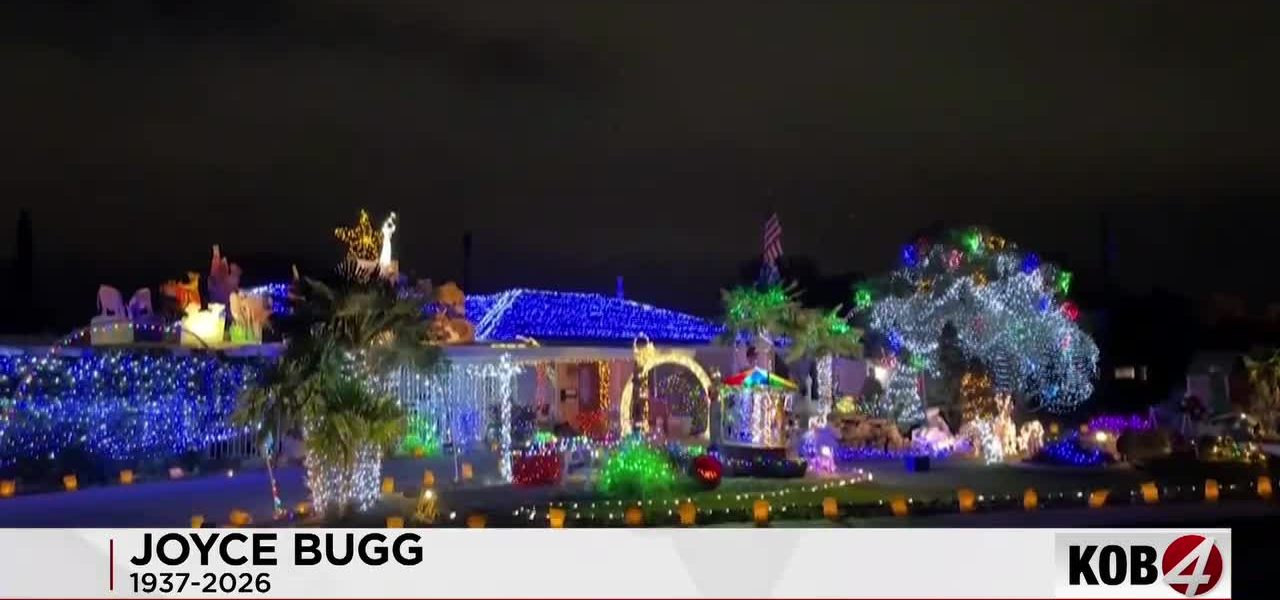
POLICY WIRE — Albuquerque, N.M. — It’s a paradox of modern life: something genuinely magical, something born of pure, generous spirit, can become an infrastructural headache for the very city it enthralls. That’s the story of Albuquerque’s famed ‘Bugg Lights,’ a dazzling holiday spectacle that once snarled traffic for blocks—and now, its matriarchal co-creator, Joyce Bugg, has dimmed for good.
Joyce Bugg, 88, passed away last Thursday, KOB 4 reports. For five decades, her name has been synonymous with the sprawling Christmas display that grew from humble beginnings into an annual pilgrimage for New Mexicans. She didn’t just string lights; she orchestrated a phenomenon. But, as cities learn repeatedly, a beloved tradition can sometimes collide with the cold realities of traffic management and neighborly peace. It’s a recurring drama played out from bustling urban centers to quiet suburbs.
Back in 1972, Joyce and her husband, Norman (who died in 2018), started something special at their Northeast Albuquerque home. Just a couple deciding to deck the halls, literally. And they kept at it, year after year, adding more hand-crafted pieces, more glowing whimsy, until their yard became an unplanned tourist attraction. You don’t often see such unbridled, spontaneous community-building anymore; these days, it seems everything needs a permit, a sponsor, or at least a coordinated social media campaign. The Buggs, bless ’em, just put up lights.
But then, everyone started showing up. Because, really, who doesn’t love thousands of sparkling lights — and handmade marvels? The local streets—designed for residents, not holiday pilgrims—simply couldn’t cope. By 2002, the city, in a move that felt both practical and sacrilegious to many, had to shut down the street-clogging spectacle. It was a civic compromise, a tough call between preserving a cherished local tradition and ensuring smooth traffic flow and emergency access. A 2001 Albuquerque city planning report, predating the display’s temporary shutdown, flagged an astonishing 150% increase in local residential traffic during peak viewing nights, a statistic that likely prompted serious conversations at City Hall about civic planning versus unbridled seasonal joy.
“We certainly appreciate the Bugg family’s enduring legacy,” said Mariana Chavez, a spokesperson for the Albuquerque Mayor’s office, reflecting on the historical tension. “But managing the enthusiasm, particularly during peak holiday periods, requires a delicate balance of public spirit and practical infrastructure. It’s a bittersweet tale, really.” Chavez acknowledged the display’s cultural resonance while underscoring the bureaucratic tightrope city officials walk.
The Bugg family, in an effort to keep the spirit alive, later donated the impressive collection. It migrated to various public spots, then—in a poetic twist—returned home just before Joyce’s passing, illuminating her final holidays. She got to see her labor of love, her incandescent dream, glowing once more on familiar grounds. It must’ve been something, a final full circle for a woman who simply wanted to spread some cheer. The story feels uniquely American in its blend of individual initiative, community embrace, and eventual bureaucratic entanglement. Yet, the human desire to adorn — and celebrate with light is universal. Across continents, from the elaborate oil lamp displays that mark Diwali in South Asian homes and streets, or the vibrant luminaria that dot Hispanic neighborhoods throughout New Mexico, to the intricate lantern festivals gracing public spaces during Eid in Pakistan, humanity has always sought to banish the darker hours with shared light. The Bugg Lights, in their own quiet Southwestern fashion, tapped into that same primal, unifying urge—a powerful, often understated current flowing through all cultures.
“These weren’t just lights; they were an institution,” offered Dr. Anya Sharma, an expert on New Mexico’s cultural heritage. “A testament to personal dedication creating something truly public, a reminder of what grassroots passion can achieve before urban planning gets involved. We don’t see that kind of organic community spectacle much anymore, not in the age of official sponsorship and stringent safety codes. This was pure heart, — and that’s what people remember.”
📄 POLICY WIRE WHITEPAPER PUBLISHED: PAKISTAN'S NATIONAL SECURITY POLICY PRIORITIES
👉 READ BY CLICKING HEREWhat This Means
The saga of the Bugg Lights offers a pointed, almost cautionary, tale about the often-clumsy dance between grassroots cultural movements and formal civic governance. Because while everyone loves a homegrown phenomenon, its growth can challenge everything from city zoning to emergency response times. It highlights how quickly an organic, local tradition can outgrow its origins, demanding a structured response from municipalities ill-prepared for spontaneous community-driven popularity. It isn’t just about Christmas lights; it’s about a wider conversation surrounding urban evolution, community assets, and the bureaucratic grind that can unintentionally stifle public expressions of joy. This delicate negotiation isn’t unique to Albuquerque; cities from Karachi to San Francisco constantly wrestle with how to nurture — or at least manage — the informal, often unpolicied, expressions of cultural identity that pop up within their grids.
For the economy, the loss of a major, if accidental, draw like the original Bugg Lights location means a scattering of its localized economic benefits—small vendors, increased traffic for nearby businesses—to more distant, city-managed sites, or simply diffused entirely. The incident itself represents a tiny fracture in the broader civic ideal of community, underscoring how administrative efficiency can inadvertently dilute something genuinely meaningful. And the return of the lights to the Bugg home, just before Joyce’s death, reminds us that sometimes, the most profound cultural experiences happen on the periphery of policy, not at its center. It’s a good lesson for policymakers looking at how regional traditions interact with larger systemic pressures. They should take note.
Joyce — and Norman Bugg left behind four children, eight grandchildren, and eight great-grandchildren. More importantly, they left behind a glowing, if complicated, legacy for Albuquerque itself. And that’s a light that’ll be harder to switch off.