


The Perilous Reign: When Digital Outrage Meets Galactico Glory
POLICY WIRE — Madrid, Spain — It’s a strange new era, isn’t it? One where the raw numbers—forty-one goals, six assists, across forty-one appearances for a struggling Real Madrid—still can’t quiet the...

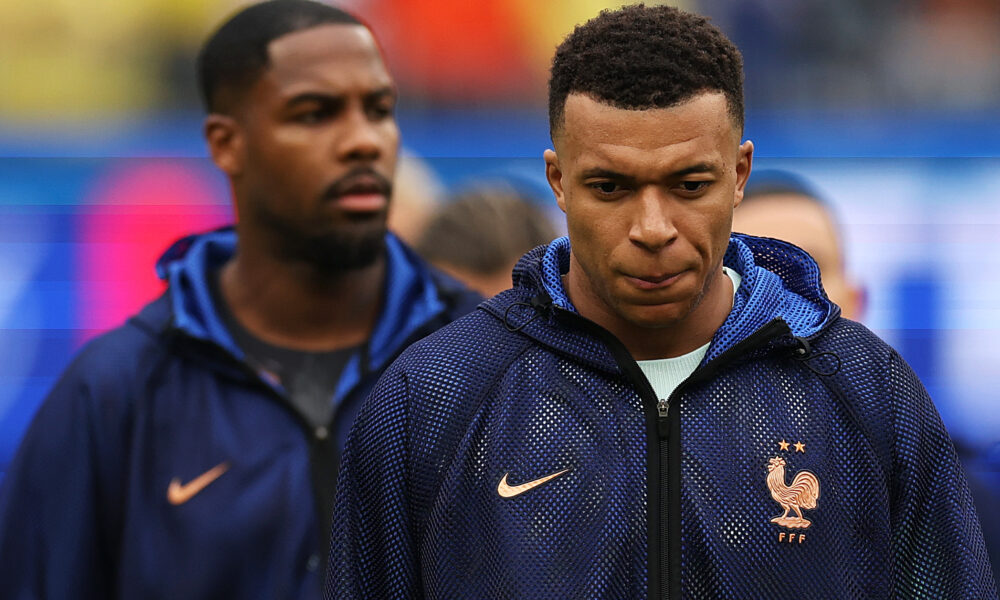
POLICY WIRE — Madrid, Spain — It’s a strange new era, isn’t it? One where the raw numbers—forty-one goals, six assists, across forty-one appearances for a struggling Real Madrid—still can’t quiet the digital pitchforks. Kylian Mbappé, the French football phenom, has apparently enraged a significant chunk of humanity to the tune of forty million signatures on an online petition demanding his unceremonious booting from Santiago Bernabéu. It feels like a bad parody, frankly. But it’s not.
This isn’t a slump; it’s a baffling, almost surreal wave of fan disgruntlement aimed square at a player performing exceptionally well in an otherwise trophyless campaign. Think about that for a second. We’re talking about an athlete delivering consistent brilliance, yet facing an unprecedented virtual revolt. It’s enough to make you wonder what’s actually happening here. Is it about football? Or is it something far more corrosive, born in the echo chambers of social media?
Because the real ‘why’ is—surprise, surprise—decidedly less about his clinical finishing and more about a few holiday snapshots. Mbappé, granted time off to nurse a thigh injury, was photographed vacationing in Italy with actress Ester Expósito. This, apparently, was the digital straw that broke the camel’s back. Fans, bless their passionate hearts, questioned his ‘commitment.’ Never mind the goals, the assists, the sheer effort he put in every week; the sight of a recuperating professional athlete daring to enjoy a moment of private life proved too much for the collective consciousness of online fandom.
“Fans are certainly passionate; that’s the lifeblood of this club, and we respect it,” stated Jaime Navarro, Real Madrid’s Director of Communications, in a carefully worded statement provided to Policy Wire. “But our tactical and personnel decisions are always rooted in on-field performance and long-term strategy, not the often-mercurial currents of social media. Kylian is a professional, and he’s delivered.” He certainly sounds like a man trying to douse a bonfire with a squirt gun.
But what if these digital currents are precisely what defines the modern fan base? And that’s a terrifying thought. The sheer volume of this petition, if even a fraction are legitimate fans, speaks to a deeply unsettling shift. Online analytics firm DigitalPulse reported that sports-related digital activism, encompassing everything from fan-generated petitions to boycotts, has spiked over 250% globally in the past three years alone, reflecting a growing, if sometimes irrational, sense of ownership over public figures. You just don’t see this kind of targeted, numerically overwhelming push against a player excelling on the field.
It’s not just Spain. We’ve seen similar, if less digitally robust, waves of public sentiment dictating discourse from Karachi to Casablanca, where popular figures, be they athletes or entertainers, find their public image, and sometimes their careers, precariously balanced on the edge of online approval—or outrage. Pakistan’s cricket legends, for instance, frequently face ferocious social media barrages for anything from perceived missteps on the field to personal life choices, mirroring this peculiar blurring of lines between public service and private scrutiny. This isn’t a European phenomenon; it’s a global digital one. A shared human frailty, played out on screens.
“This Mbappé saga isn’t about an athlete’s form; it’s about the parasocial relationship unraveling, dramatically and publicly,” observed Dr. Amara Khan, a sociologist specializing in digital culture — and sports in South Asia, commenting on the parallels. “Fans feel a deep, personal investment—and when expectations aren’t met, or perceived slight occurs, they leverage new tools to articulate their displeasure. It’s a new form of fan power, for better or worse.” You can’t just ignore these numbers, no matter how outlandish they appear.
They’ve already confirmed his contract runs through 2029, so it’s not like the club’s going to toss him out. They’d be fools to, quite honestly. It feels like an absurd spectacle—a tempest in a digital teapot—but the scale? It’s genuinely unsettling. Maybe it’s a testament to how online platforms have supercharged every passing mood into a legitimate movement, even when the underlying grievance is flimsy as wet tissue paper. And maybe, just maybe, it’s a sign that the unholy alliance of instant gratification and perpetual outrage has finally come for our most treasured sporting institutions.
What This Means
The Mbappé petition, despite its ludicrous premise, carries weight far beyond a single football season. Economically, such high-profile, fan-driven negativity, even if dismissed by club leadership, can subtly chip away at a player’s marketability for endorsements and sponsorship deals outside the club. Think about it: brands seeking uncontroversial figures might hesitate to partner with someone whose perceived commitment, however unfairly, becomes a public debate point. For the club, it’s a tightrope walk—dismiss the fans and risk alienation; acknowledge the outrage and legitimize it. Navigating this new landscape of digital democracy (or mob rule, depending on your perspective) demands sophisticated media management strategies that weren’t even a glimmer in club strategists’ eyes a decade ago.
Politically, if one can even apply that lens to professional sports, it hints at a larger societal trend: the erosion of trust in institutions and expertise, coupled with an increasing belief that popular online sentiment should dictate decisions. It’s not just in sports; it’s everywhere. The phenomenon underscores the growing challenge of distinguishing between genuine public consensus and orchestrated, or even manufactured, outrage. Clubs, like governments or corporations, must now contend with powerful, amorphous online blocs that demand accountability and swift action, often based on emotional rather than logical appeals. And that’s a gamechanger, plain — and simple.