


The Brutal Economics of Indian Cricket: Yadav Out, Iyer In Amidst Unforgiving Demands
POLICY WIRE — Mumbai, India — The echo of the winning cheers for India’s 2026 T20 World Cup might still be reverberating in some distant corners, but the pragmatism governing the nation’s most adored...

POLICY WIRE — Mumbai, India — The echo of the winning cheers for India’s 2026 T20 World Cup might still be reverberating in some distant corners, but the pragmatism governing the nation’s most adored sport? It’s utterly unforgiving. Barely two years into a leadership tenure marked by a trophy and an almost mythic win percentage, Suryakumar Yadav now stares down the barrel of an unceremonious ouster from the T20 International captaincy. One minute, you’re atop the world; the next, the selection committee is scrutinizing your wrist, your run-rate, and the ticking clock.
It’s the silent hum of the BCCI machine, a symphony of numbers — and future projections, that truly dictates fate. Forget the accolades. They’re cold comfort now. Decision-makers, it seems, have developed a sudden allergy to ‘lean patches,’ especially when tied to the arm-band. Sources embedded deep within the Board of Control for Cricket in India – individuals who speak in hushed tones about power shifts – confirmed that Yadav’s role as T20I skipper is essentially kaput post-IPL 2026. Because, you know, loyalty — and past triumphs only go so far when a ‘fresh cycle’ beckons. It’s brutal. Just. Brutal.
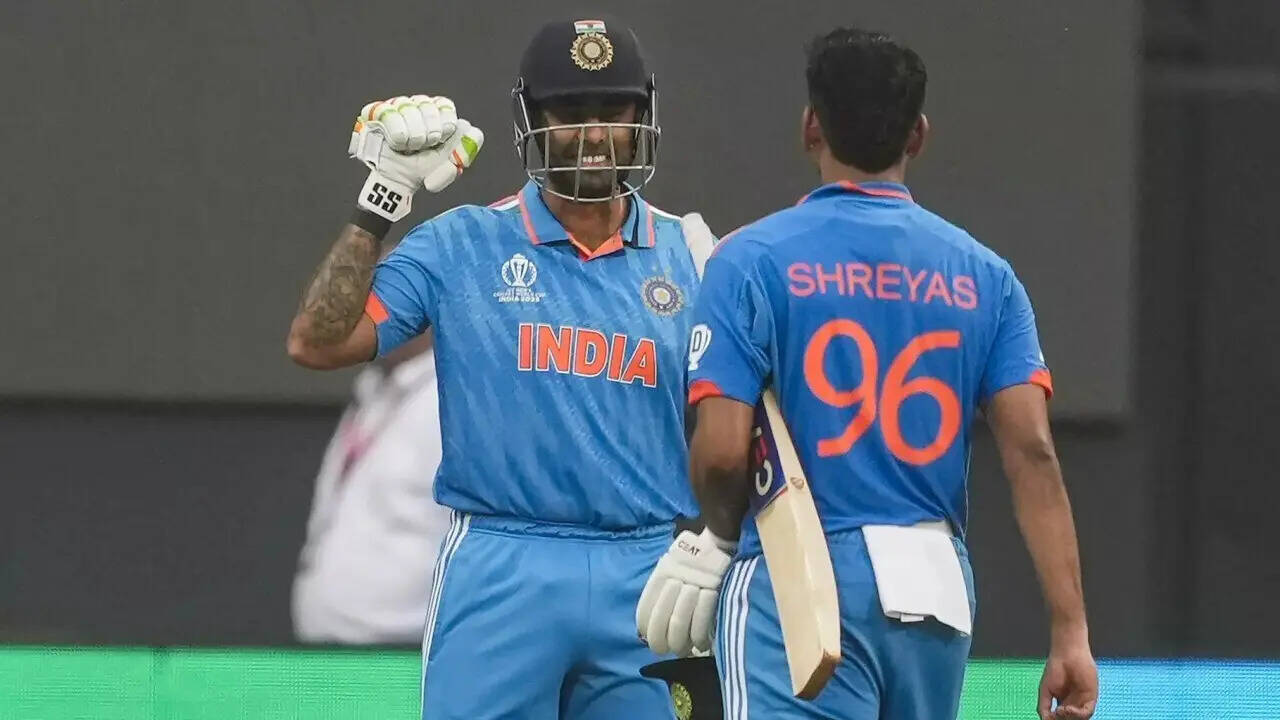
And the man warming up in the wings? Shreyas Iyer. He’s set to not just reclaim his spot in the T20 setup, but to do so at the very top. This isn’t just a reshuffle; it’s a surgical extraction driven by the relentless hunger for consistent individual form and—a phrase oft-repeated by selectors when facing public outcry—’long-term vision.’
Yadav’s remarkable success rate as captain – a hefty 76.92 percent win rate in T20Is according to official records – alongside titles like the 2025 Asia Cup and the aforementioned T20 World Cup, hasn’t softened the blow. But his personal batting returns, or the distinct lack thereof, especially outside one blistering knock against the comparatively meek USA team during the World Cup, have become a millstone. The right-hander managed a mere 242 runs in nine innings at the World Cup, 84 of those against a team few genuinely consider a threat. It’s hard to make a case for a struggling batsman, even one with a golden arm-band.
“Look, nobody doubts his leadership during *that* T20 World Cup. He delivered,” a senior National Selection Committee member, speaking anonymously due to the sensitivity of the internal discussions, confided to Policy Wire. “But the numbers for a top-order batsman just weren’t sustainable over the past two years, especially not for the person leading the charge into the 2028 World Cup cycle.” The undertone of this official observation? The glory was fleeting; the individual performance dip, enduring.
Then there’s the hush-hush wrist saga. For months, whispers circulated. He’d been batting — and fielding with a heavily taped right wrist for the Mumbai Indians and then the national team. Dr. Rizwan Khan, the team physician, reportedly became an almost omnipresent shadow before batting sessions, ready with cotton pads and brown tape, diligently securing a wrist that was clearly not playing ball. Assistant coach Ryan ten Doeschate, when pressed, dismissed it as “normal wear — and tear.” Right. Just “normal.” It reads more like a calculated dodge of reality, the kind of public relations whitewash that’s an art form in professional sports.
Because the truth is, this decision is less about loyalty — and more about leverage. Iyer brings a different kind of pedigree—consistent IPL performances across various franchises, demonstrating adaptability that selectors apparently adore. And don’t forget age. At 35, Yadav is seen as less of an investment for the upcoming cycle leading to the 2028 World Cup and the Los Angeles Olympics that same year. Youth, it appears, must be served, — and served quickly.
What This Means
The swift, almost clinical dispatch of a champion captain like Suryakumar Yadav, despite his successes, isn’t just a cricketing decision; it’s a profound statement about the cutthroat business of Indian sports, reflective of broader economic and cultural forces at play. For a nation where cricket transcends mere sport to become a significant aspect of national identity and diplomatic currency, especially across South Asia and the Muslim world, every captaincy shift is scrutinized for hidden meanings. In Pakistan, Bangladesh, and beyond, India’s cricket choices are often seen through a prism of dominance, power dynamics, and the endless pursuit of perfection. This move projects a hyper-competitive, results-at-all-costs ethos that filters down from the corporate suites of the BCCI to every state association. It implies that personal brilliance, no matter how briefly spectacular, isn’t enough. There’s no room for sentimentality, only raw, current utility. It signifies an economic imperative to constantly refresh the brand, to keep the merchandise moving and the stadium seats full with a ‘winning’ narrative, irrespective of individual costs. And that’s a narrative understood far beyond the boundary ropes, reflecting how transient power can be when the stakes—and the sponsorships—are astronomical. This cold logic often sees players like Virat Kohli grapple with the pressures of maintaining form under intense scrutiny, where even legends aren’t immune to the relentless demands.
“This is the nature of the beast,” observed Gautam Gambhir, former Indian opener and influential cricket commentator, often lauded for his no-nonsense candor. “You’re only as good as your last five innings. That’s what they teach us, isn’t it? Wins are collective. Individual struggles? Those belong to the man holding the bat.” His words, sharp and resonant, underscore the isolated burden of a player at the top.
So, the Indian team, gearing up for its fixtures in Ireland — and England, will likely see a new man tossing the coin. A new era, they’ll call it. But beneath the surface, it’s just the same old game: demanding, unyielding, and always, always hungry for the next big thing, trophies be damned.