


Courtroom Cat-and-Mouse: Albuquerque Trial Reveals Ugly Underbelly of Trust Betrayed
POLICY WIRE — Albuquerque, New Mexico — It’s often said that justice is blind, but sometimes, in a courtroom’s cold glare, it simply feels brutal. Particularly when the legal apparatus—designed to...

POLICY WIRE — Albuquerque, New Mexico — It’s often said that justice is blind, but sometimes, in a courtroom’s cold glare, it simply feels brutal. Particularly when the legal apparatus—designed to ferret out truth—ends up dissecting the trauma of the very individuals it purports to protect. This past week in a Bernalillo County courtroom, that old adage got a raw, public update as an alleged victim found herself under a spotlight almost as harsh as the abuse she claims to have suffered.
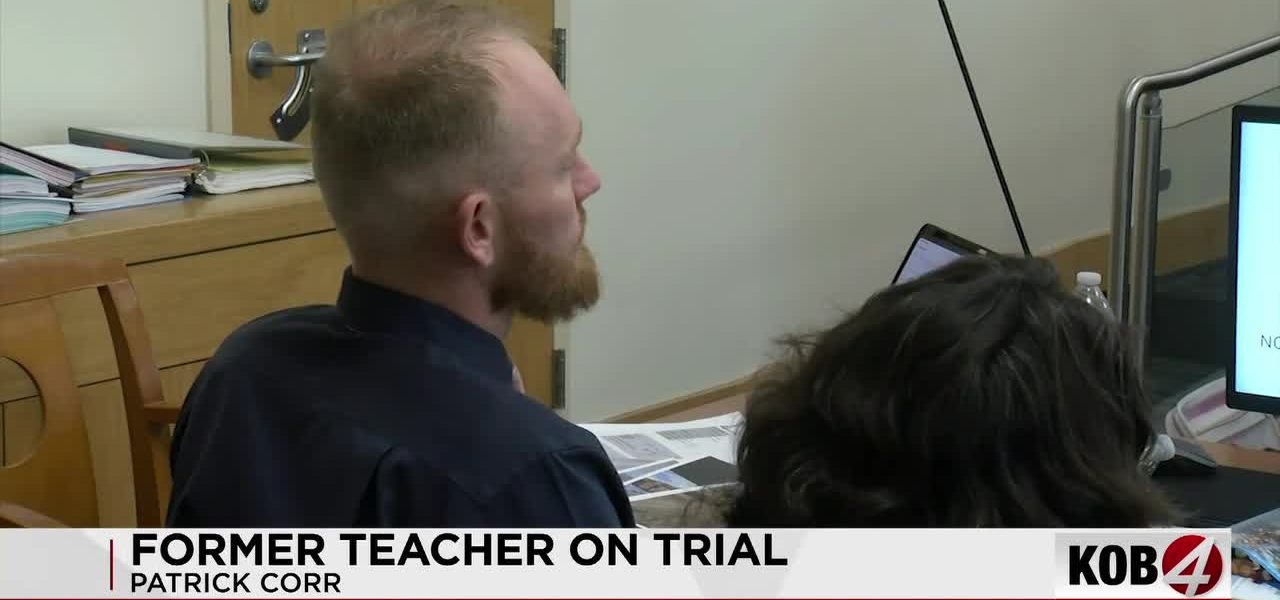
This isn’t some abstract debate. It’s real life playing out with devastating intensity during the second day of testimony in the trial of Patrick Corr, a former John Adams Middle School teacher now facing a slew of felony charges, including multiple counts of criminal sexual penetration of a minor. Prosecutors contend Corr wasn’t just some misguided mentor; they allege he plied teenage girls with alcohol and sexually assaulted them—one, chillingly, even at 15, purportedly became pregnant. And it’s this harrowing claim that underscores the quiet horror seeping through the court.
The alleged victim, her identity shielded by standard journalistic practice, wasn’t spared any discomfort. She took the stand again, enduring another round of cross-examination. She recounted how Corr supposedly initiated contact via Snapchat when she was barely a teenager—13, for heaven’s sake. Then, years later, she testified he’d pick her up, pour drinks down her throat, and ultimately, assault her in his Edgewood home. The story grew darker still, with claims he forced her to take a Plan B abortion pill. A gut punch, really.
But the defense, as is their job, went on the offensive. They probed, they picked, they dissected those old Snapchat chats, demanding to know who’d started them. Who initiated contact? The subtext felt clear: Wasn’t she a participant? They didn’t stop there. Her past substance use, which she admitted began at 17, became a weapon. An attorney actually asked her if she was high on the stand. Imagine that—being accused of unreliability, right there, while recounting the most painful moments of your life. She just—she wouldn’t answer, she simply asked for focus on the actual case.
Because the emotional toll was immense. Court proceedings hit the brakes post-lunch because the witness, well, she just crumpled. A full-blown panic attack in the hallway. Lawyers scrambling. “She’s on the third floor… curled up and crying and screaming hysterically that she wants to be done,” one attorney reportedly told the court, painting a picture of sheer agony. It wasn’t theatrics; it was a breakdown. An understandable, wrenching, human response to relentless scrutiny. After a time, she pulled herself together, came back.
And then they went for the jugular again. The night of the alleged assault. She remembered Corr picking her up, giving her whiskey, getting her incredibly drunk. But specific conversations? Lost in an alcoholic haze. And the defense seized upon that gap: “How can you remember having sex if you can’t recall conversations?” They pressed, repeatedly. The insinuation hung heavy: if memory’s fuzzy on one point, how reliable is it on another? This tactic, frankly, is textbook. And it often leaves victims feeling, not heard, but flayed.
“We believe Mr. Corr leveraged a position of trust, turning it into a tool of egregious manipulation. The evidence, stark as it’s, speaks to a pattern that’s deeply disturbing for our community,” asserted Bernalillo County Prosecutor Maria Delgado, following the session. But defense counsel, speaking on background, insisted, “My client maintains his innocence, and we intend to rigorously test every assertion made by the prosecution. This isn’t about emotion; it’s about facts, about the complete narrative, — and critically, about due process.”
📄 POLICY WIRE WHITEPAPER PUBLISHED: PAKISTAN'S NATIONAL SECURITY POLICY PRIORITIES
👉 READ BY CLICKING HEREIt’s this dynamic, this brutal dance between alleged victim — and legal strategy, that draws international attention. Just as in nations like Pakistan or other South Asian countries, where legal redress for such harrowing crimes can often be overshadowed by societal pressure or intricate procedural hurdles, the struggle here highlights a universal fragility of justice systems. Vulnerable populations, especially youth, everywhere face these same questions about whether their voice will be heard, or weaponized against them.
The raw truth eventually came from the witness herself. Asked by prosecutors about the difficulty of being in court: “It doesn’t make me happy,” she said. “It’s an old wound that I didn’t want to open. I didn’t choose this. But for the other girls, that’s why I’m here.” Her commitment, even amidst her pain, paints a stark picture of moral conviction.
What This Means
This trial isn’t just about Patrick Corr; it’s a magnifying glass on institutional failures and the societal pressure valves we’ve yet to truly address. When a teacher stands accused of such violations, it chips away at the bedrock of communal trust, the very fabric holding our children safe in public spaces. Economically, the ramifications are subtler but real—think legal costs, therapeutic interventions, potential payouts, and the intangible but massive hit to community morale and institutional reputation.
The rigorous defense tactics, while legal, serve as a stark reminder of why so many abuse cases never reach this stage, or falter once they do. The pressure on victims to be perfectly coherent, perfectly remember every excruciating detail, becomes an almost insurmountable barrier. This dynamic, sadly, isn’t unique to American courtrooms; systems from Dhaka to Dearborn wrestle with similar issues concerning vulnerable witnesses and the sometimes-punitive nature of legal confrontation.
Consider this: according to a 2017 study by the National Sexual Violence Resource Center (NSVRC), only 23% of sexual assault cases are reported to the police. The reasons are multifaceted, but the fear of re-victimization during the legal process is a consistent factor. This trial, brutal as it appears, is one of the few that even makes it this far, offering a rare—and agonizing—glimpse into the costs involved when trust dissolves. It’s why this story, for all its local focus, reverberates with a broader, chilling echo.