


High Desert’s Whims: Late Freeze Snaps New Mexico’s Agricultural Ambitions
POLICY WIRE — ALBUQUERQUE, N.M. — It’s a trick the desert knows well. Just when you’ve bought into the notion of an early spring, just when the delicate shoots break ground and the fruit trees boast...

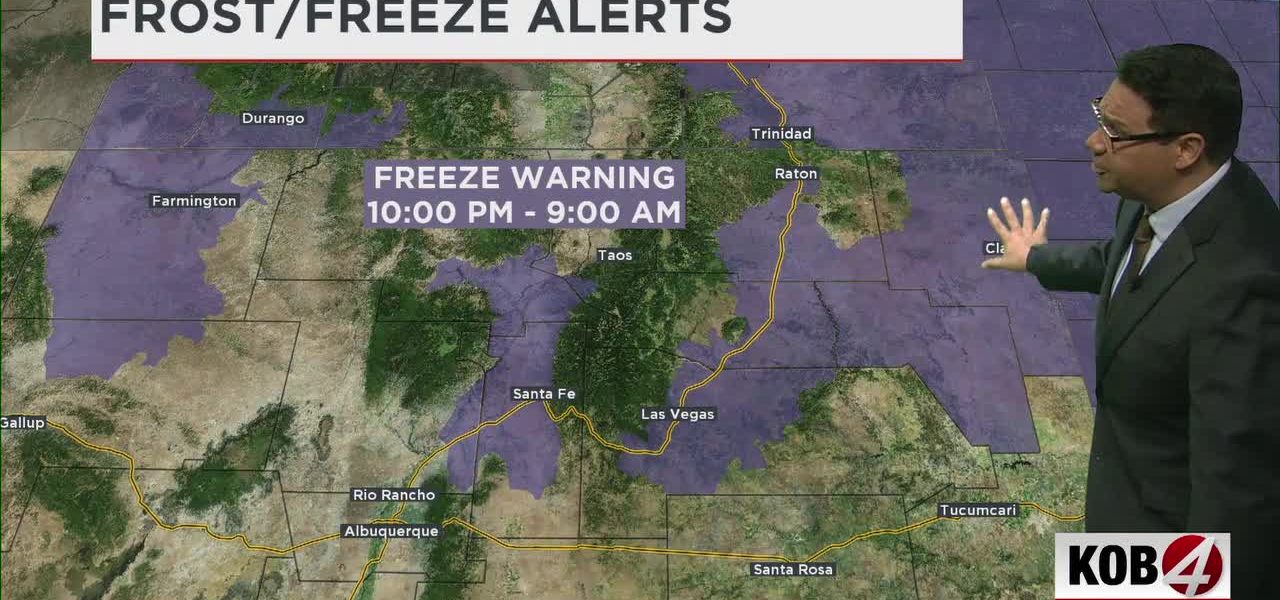
POLICY WIRE — ALBUQUERQUE, N.M. — It’s a trick the desert knows well. Just when you’ve bought into the notion of an early spring, just when the delicate shoots break ground and the fruit trees boast their nascent buds, a cold, hard truth descends. New Mexico, believing itself poised for a balmier stretch, got precisely that—a swift kick of reality from an unseasonable late-season freeze, dusting its northern reaches with snow and plunging temperatures into crop-killing territory.
It wasn’t just a pleasant cool down. No, this was a stark, almost rude reminder that nature doesn’t operate on our timetables, nor does it much care for the optimistic growth spurts of new planting cycles. As parts of the high desert woke to an unexpected blanket of white, and mercury plummeted well below freezing Wednesday night, agricultural concerns across northern New Mexico surged. Sensitive vegetation, those promising young starts, are now fighting for their lives against temperatures they simply weren’t prepared to handle, not this late in the game.
And policymakers? They’re certainly paying attention. Governor Michelle Lujan Grisham didn’t mince words, even as she acknowledged the state’s limited hand against atmospheric caprice. “We prepare for all eventualities, you know we do,” she stated, a hint of weariness in her voice, speaking to reporters Thursday morning. “But when a hard freeze hits after weeks of milder weather, after our farmers and ranchers have begun their critical work—it’s a setback. We’re working with our agricultural partners to assess the damage and identify how best we can support them through what could be a tough financial hit.” Her team is, reportedly, already looking at potential state relief measures—though those conversations are always, shall we say, complex.
But the damage isn’t just to the plants; it’s to the intricate financial ecosystem that relies on them. New Mexico’s agricultural sector, a deceptively robust enterprise, contributes over 3% to the state’s GDP, according to a recent analysis by New Mexico State University. That’s a significant slice of the economic pie, particularly for rural communities. Losing a substantial portion of budding crops to a surprise freeze could mean thin margins shrinking to non-existent ones for many small- and medium-sized operations. It’s not a good look, not for folks counting on their annual yield.
“We were expecting mild temperatures, gearing up for what promised to be a productive season,” Dr. Elena Rodriguez, head of the State Agricultural Department’s crop resilience program, told Policy Wire. Her expression was one of carefully managed frustration. “Many of our valley farmers, particularly those with early fruit — and vegetable starts, could see significant losses. We’re talking about more than just a ruined crop; we’re talking about potentially a ruined year’s income. You can’t just replant certain things this late.” They’re now scrambling, advising on late-stage frost protection methods, but for many, it’s a day late and several dollars short.
The fickle mood swings of New Mexico’s climate—a pattern of unexpected lurches from season to season—echo larger, global anxieties. Just as this high desert state battles late-spring frosts, regions across the Muslim world and South Asia, including agricultural powerhouses like Pakistan, wrestle with their own brand of extreme, unpredictable weather. Whether it’s record-breaking heatwaves scorching harvests or unseasonal deluges wiping out infrastructure, the fragility of food systems against climate volatility is a shared, pressing concern. They’ve been grappling with intensified monsoon seasons and flash floods that threaten vital agricultural zones, leading to debates about resource management and inter-regional cooperation, much like Pakistan’s ongoing discussions about transit pivots and regional pragmatism. And frankly, those discussions make New Mexico’s chilly woes seem almost quaint, yet the underlying current of unpredictability remains.
A momentary reprieve, however, is on the horizon. The frosty bite is a fleeting anomaly. Forecasters expect dry weather to reclaim its dominion, pushing Albuquerque’s highs into the 70s by Thursday and delivering a “summer-like heat wave” through next week. But even as the mercury climbs back to comfortable levels, the memory of that sharp, unseasonable chill will linger—a silent admonition, perhaps, that here, the future’s never quite as predictable as the weather report suggests.
What This Means
This episode, seemingly minor—just a bit of late snow, really—is far from it for New Mexico’s economy and its policy planners. For a state perennially negotiating water rights and adapting to arid conditions, these climate aberrations aren’t just inconveniences; they’re budgetary challenges and serious policy puzzles. The abrupt shift underscores the increasingly urgent need for state and local governments to invest in more robust, flexible agricultural support systems and advanced weather modeling that can accurately predict these volatile swings. Otherwise, unexpected freezes won’t just destroy crops; they’ll erode farmer confidence, deepen rural economic precarity, and potentially trigger costly disaster relief efforts that strain an already taut state budget. The conversation shifts from ‘if’ these weather events will happen to ‘how often’ — and ‘how prepared’ we can truly be. It suggests an urgent, if often unacknowledged, reality: the climate’s unpredictable mood swings are increasingly a core component of economic governance and long-term planning, regardless of one’s political stripe.