


Belfast’s Industrial Roar: Airbus Order Echoes Through UK Manufacturing Hopes
POLICY WIRE — Belfast, Northern Ireland — The hum and clang from the sprawling factories of Belfast aren’t always a symphony of success. More often, they’re a strained drone, fighting...

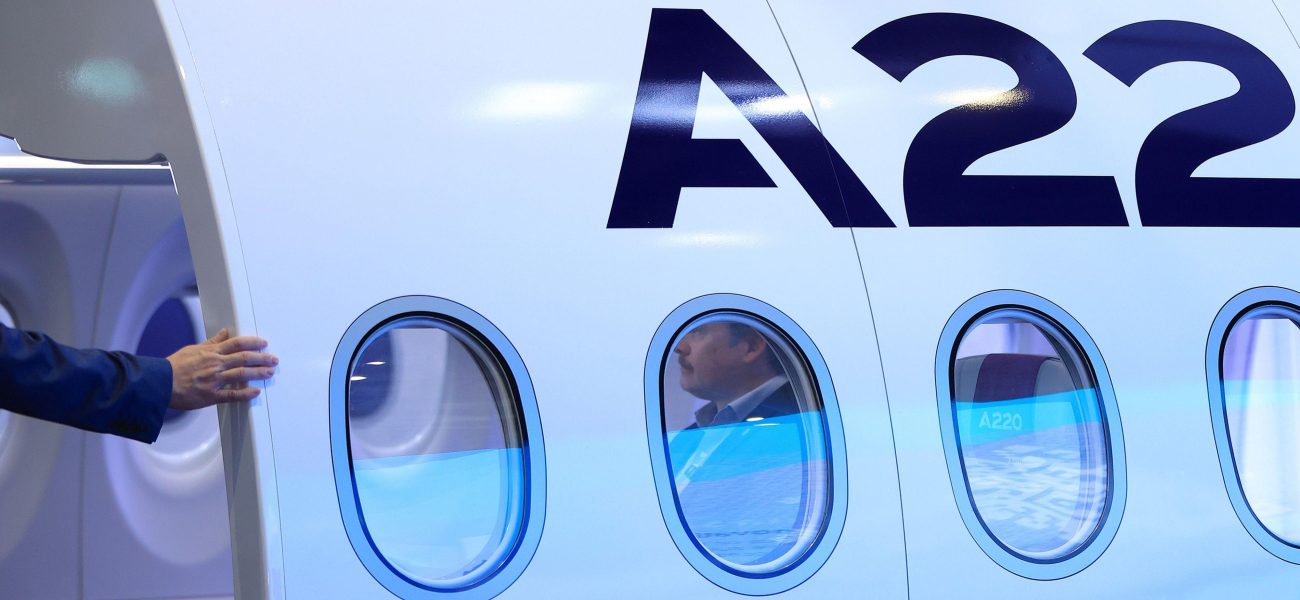
POLICY WIRE — Belfast, Northern Ireland — The hum and clang from the sprawling factories of Belfast aren’t always a symphony of success. More often, they’re a strained drone, fighting against economic headwinds — and the quiet dread of industrial decline. But a fresh gale, rather than another storm, just swept through — a colossal order for Airbus, breathing a hefty dose of oxygen into the city’s aerospace sector. It’s not just about wing parts, or fuselage sections; it’s about holding onto a slice of industrial capability in a world that often seems intent on shedding it.
It’s the kind of news that gets local politicians puffing their chests out, though sometimes with more bluster than genuine understanding of the granular engineering that underpins it all. For those on the shop floor, though, it’s far simpler: it’s job security. Plain and simple. Belfast, for decades, has wrestled with the specter of industrial uncertainty. This news? It puts some of those specters back in their box, at least for a while. You can almost feel the collective sigh of relief emanating from East Belfast — a sigh laced with the grim acknowledgement that prosperity is a fleeting beast.
And let’s not pretend this is purely an altruistic move from Airbus. It’s a hard-nosed commercial decision, a recognition that the skilled hands and advanced infrastructure in Northern Ireland remain incredibly competitive, even after Brexit’s often bewildering adjustments. The details of the specific order are shrouded in the typical corporate opacity—they always are—but the word from industry insiders points to a substantial, multi-year commitment, likely tied to an expansion of Airbus’s most popular single-aisle jets, the workhorses of global aviation. These aren’t glamour machines, they’re the bread-and-butter ones.
But make no mistake, the government was quick to claim its piece of the glory. Grant Shapps, the UK’s Secretary of State for Business — and Trade, wasn’t shy about it. “This order is a testament to the unparalleled engineering expertise and resilience of the UK’s aerospace sector, particularly here in Northern Ireland,” Shapps declared in a carefully worded statement provided to Policy Wire. “It represents significant investment into a high-tech manufacturing base, safeguarding skilled jobs and solidifying our nation’s position on the global stage.” But you’d expect him to say that, wouldn’t you? Because securing such contracts is gold dust for any administration.
For Belfast itself, a region that’s spent generations navigating political tightropes and economic doldrums, this contract feels like a firm hand on the shoulder. Gavin Robinson, MP for East Belfast, where a good chunk of Airbus’s footprint sits, framed it more personally. “This isn’t just numbers on a balance sheet; it’s about putting food on tables, securing futures, and allowing families to plan for tomorrow without that nagging worry,” he told us, a genuine note of relief in his voice. And that’s what matters to people on the ground.
📄 POLICY WIRE WHITEPAPER PUBLISHED: PAKISTAN'S NATIONAL SECURITY POLICY PRIORITIES
👉 READ BY CLICKING HEREAs demand for air travel continues to rocket in emerging economies, particularly across South Asia and the Gulf states, the Belfast plant positions itself as an essential cog in meeting that hunger for connectivity. Countries like Pakistan, for instance, are eyeing significant expansion in their domestic and international aviation capabilities. New orders for aircraft—those that Belfast helps build parts for—are a direct response to this growing need for people to get from Rawalpindi to Riyadh, or Karachi to Kuala Lumpur. It’s a complex global ecosystem, — and Northern Ireland’s workshops are now firmly stitched into its fabric. The UK’s aerospace industry, a sector that directly employs over 100,000 people, contributes some £29 billion annually to the economy, according to ADS Group, the UK aerospace, defence, security & space trade organisation. This order only bolsters that staggering figure.
What This Means
The Airbus order isn’t merely a contract; it’s a political talisman for Westminster and a much-needed economic anchor for Northern Ireland. Politically, it allows the government to trot out a narrative of industrial success and global competitiveness, particularly in the aftermath of Brexit, when critics often point to declining trade figures and a fragmented manufacturing landscape. It also highlights Northern Ireland’s unique economic positioning, benefiting from its access to both UK and, in some ways, EU markets for highly specialized goods. For the embattled Stormont Executive—when it’s actually sitting—it provides a rare good news story, something concrete to point to amid constant wrangling over public services.
Economically, the impact stretches far beyond the Airbus factory gates. Think supply chains. Thousands of smaller businesses across the UK, not just in Northern Ireland, feed into this aerospace behemoth, providing components, services, and raw materials. An order of this magnitude means stability for those suppliers, translating into sustained employment and potentially new investments in automation or skills training. But don’t imagine a boom. It’s more like solid ground for a bit—a reprieve, certainly, but not an invitation to forget the economic battles that still rage. We’re talking about preventing a further slide, rather than an unbridled surge, even if some politicians would spin it otherwise. America’s Tank Drains as Geopolitics Grinds: Why Your Gas Costs a King’s Ransom underscores the tight global links between energy and industrial production, showing how reliant even major orders like this are on stable commodity markets. The global economy remains a jittery beast.