

Hardwood Diplomacy: Lakers-Thunder Clash Fuels Global Economic Currents
POLICY WIRE — Los Angeles, USA — Beyond the dazzling dunks and tactical timeouts, a different kind of power struggle is playing out on the NBA’s grandest stage. The 2026 Western...

POLICY WIRE — Los Angeles, USA — Beyond the dazzling dunks and tactical timeouts, a different kind of power struggle is playing out on the NBA’s grandest stage. The 2026 Western Conference Semifinals, pitting the youthful Oklahoma City Thunder against the storied Los Angeles Lakers, isn’t just about who advances to the next round; it’s a masterclass in modern sports economics, a vibrant showcase of global soft power, and a testament to basketball’s burgeoning influence in unexpected corners of the world.
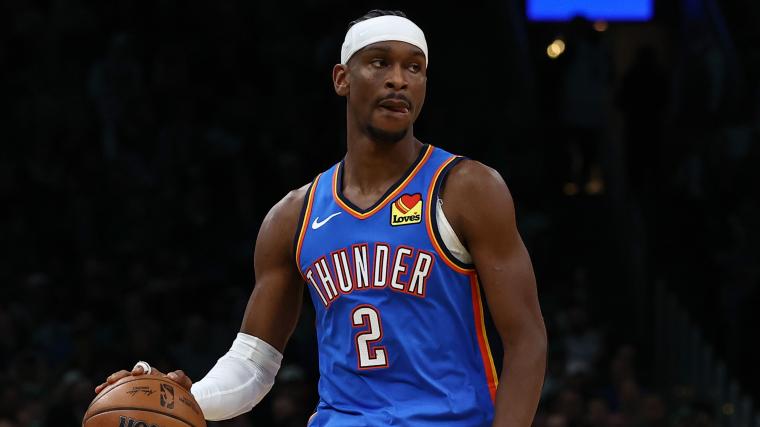
This isn’t merely a game; it’s a meticulously crafted economic spectacle, a bellwether for shifting global cultural currents. On one side, the ascendant Thunder — having dismantled the Phoenix Suns in a clean sweep, their MVP frontrunner Shai Gilgeous-Alexander posting a staggering 33 points per game average — represent the league’s future. On the other, the Lakers, a dynasty perpetually clinging to relevance, banking on the enduring magnetism of LeBron James and the potential, if tenuous, return of star Luka Dončić, who remains sidelined for the initial skirmishes with an injury. Jalen Williams, a pivotal Thunder piece, also finds himself questionable after a hamstring strain, adding another layer of strategic uncertainty to an already volatile equation.
The stakes, it seems, transcend mere bragging rights. “These playoff matchups, especially those featuring a compelling blend of emergent talent and established legends, are pivotal not just for fan engagement but as substantial economic engines,” asserted NBA Commissioner Adam Silver recently. “They underscore the league’s global appeal, attracting billions in viewership and generating significant revenue streams that benefit local economies and our international partners alike.” This series, a rematch of a regular season where Oklahoma City swept Los Angeles (a stinging four-game rebuke), now shifts to a higher gear, its outcomes echoing far beyond arena walls.
And those echoes are loud. The NBA’s current domestic broadcasting agreements alone, with behemoths like ESPN and Turner, are valued at approximately $2.6 billion annually, a figure poised for significant escalation in future deals. This colossal valuation isn’t built solely on North American eyeballs. Indeed, the NBA boasts a global fanbase estimated at over 1.5 billion people, with significant growth observed across emerging markets. Countries like Pakistan, traditionally dominated by cricket, are increasingly tuning into these high-stakes basketball dramas, their demographic dividends providing fertile ground for new sports consumption and investment. This growing fascination extends beyond mere entertainment; it represents a burgeoning market for merchandise, digital content, and even grassroots development.
For cities like Los Angeles, hosting playoff games translates directly into tangible economic uplift. “When the Lakers play a series of this magnitude, it’s not just a game; it’s a palpable surge of energy through our city,” remarked Los Angeles Mayor Karen Bass, underscoring the broader impact. “From bustling restaurants to packed hotels, the economic ripple effect is immediate — and profound. It’s a moment of collective identity, a civic celebration that reminds everyone of Los Angeles’s place on the world stage.” These spectacles — Game 1 already played, with OKC taking a decisive 108-90 victory, and Game 2 scheduled for May 7th — are intricate operations, involving logistics, security, and the orchestration of a global media presence. But for the global audience, from downtown LA to Karachi, it’s all about the drama.
Behind the headlines of thrilling buzzer-beaters and superstar showdowns lies a sophisticated mechanism of capital and influence. The league’s aggressive internationalization strategy, coupled with the ubiquity of streaming platforms (Prime Video, ESPN app, Peacock), means these games aren’t just televised; they’re beamed instantaneously across continents, blurring geographical lines and uniting disparate cultures under the banner of competitive sport. It’s a soft power play, a cultural export as potent, perhaps, as any diplomatic initiative, shaping perceptions and fostering connections. For nations aspiring to greater global visibility, sporting success — or even just a compelling narrative — can subtly shift their geopolitical scorecard.
Still, the immediate focus remains on the court. The full series schedule — which includes three games in Los Angeles (May 9th, 11th, and a potential Game 6 on May 16th) — will dictate the rhythm of this burgeoning rivalry. If the Lakers can indeed “extend the series” enough for Dončić to return, it fundamentally reshapes the competitive landscape. But it’s this very unpredictability, this high-stakes theatre, that makes the NBA playoffs such a compelling global product, a financial juggernaut whose volatile tides ripple through economies and cultures far and wide.
What This Means
The 2026 NBA Western Conference Semifinals illustrate the profound dual nature of modern professional sports: athletic competition intertwined with intricate global economics and geopolitics. The massive broadcasting revenues and the league’s burgeoning international footprint — particularly in markets like South Asia — highlight how sports entities have become significant players in the global entertainment economy. This series, featuring marquee names and compelling narratives of youth versus experience, serves as a prime example of sports as a “soft power” tool. It projects cultural influence, generates substantial tourism and local spending for host cities, and offers a common cultural touchstone for diverse populations. The potential impact of player injuries, such as Dončić’s, doesn’t just affect game outcomes; it can sway viewership numbers, advertising revenue, and even future team valuations, underscoring the high-stakes financial calculus behind every dribble and shot. This isn’t just about winning a championship; it’s about consolidating market share in a fiercely competitive global leisure industry.