

Anfield’s Unfolding Drama: A Microcosm of Football’s Macroeconomic Malady
POLICY WIRE — London, UK — The glitzy spectacle of English football, often distilled to a mere ninety minutes of athletic prowess, occasionally peels back to reveal the profound financial and...

POLICY WIRE — London, UK — The glitzy spectacle of English football, often distilled to a mere ninety minutes of athletic prowess, occasionally peels back to reveal the profound financial and geopolitical currents churning beneath. Such is the case as Chelsea limps towards their pivotal Anfield encounter with Liverpool this weekend, not just nursing physical wounds but a deeper, more systemic affliction that transcends the usual match-day anxieties.
It’s not simply about five players sidelined; it’s about the staggering fragility of meticulously constructed, multi-billion-dollar enterprises — clubs like Chelsea and Liverpool — whose global reach, investor confidence, and even national soft power projections hinge precariously on the health of a handful of often-overpaid athletes. At its core, this fixture isn’t just a contest for three points; it’s a stark, public audit of strategic investments and risk management in an industry increasingly divorced from its working-class roots. And the prognosis, for one side at least, looks distinctly grim.
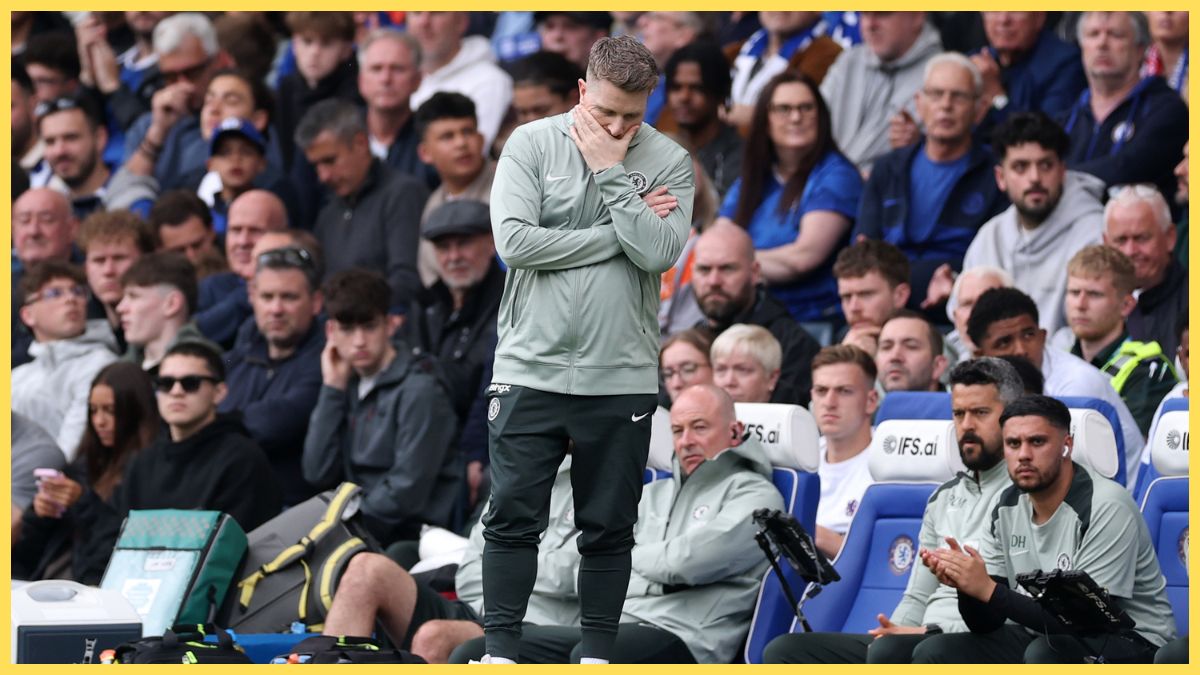
Chelsea, under the stewardship of American capital and grappling with a dizzying turnover of personnel (both on the pitch and in the dugout), arrives at Merseyside a shadow of its former, more stable self. The official Premier League injury list reads like a casualty report, citing a litany of woes: Robert Sanchez, Jesse Derry (head trauma), Pedro Neto (knock), Alejandro Garnacho (knock), Estevao (hamstring), Jamie Gittens (hamstring). While some might miraculously recover, the sheer volume points to a deeper issue — an unsustainable strain on squads pushed to their physical limits across multiple competitions. Pedro Neto’s potential absence, in particular, is a hammer blow, given he’s been one of the few consistent attacking threats in a season characterized by disjointed performances and managerial upheavals. So, the question isn’t just ‘can they win?’ but ‘can they even field a competitive side?’
“We’ve invested heavily, yes, but football isn’t like manufacturing; you can’t simply replace a faulty part on the assembly line with guaranteed performance,” opined a Chelsea board member, speaking off the record but plainly frustrated with the season’s trajectory. “The human element — the injuries, the morale, the sheer luck — it’s a constant variable that traditional business models struggle to account for. We’re essentially managing an incredibly expensive, high-stakes gamble every week.”
Still, Liverpool isn’t exactly sailing into this battle unscathed. They’re contending with their own injury crisis, featuring high-profile absences like Mohamed Salah — and Alisson Becker. Indeed, Liverpool reportedly boasts more players currently sidelined than any other Premier League outfit, a statistic that underscores the brutal demands of modern elite football (source: The Quiet Calculation: How Liverpool’s European Berth Echoes Far Beyond Anfield). Their recent defeat at Old Trafford, where third-choice goalkeeper Freddie Woodman was pressed into service, illustrates the pervasive nature of this predicament. But crucially, Liverpool seems to have retained a semblance of structural integrity and forward momentum, something Chelsea conspicuously lacks.
Behind the headlines of sporting misfortune lies a financial imperative that shapes every decision. Securing Champions League football, for instance, isn’t just about prestige; it’s an estimated minimum of €15.64 million in participation bonuses alone from UEFA for the group stage, before factoring in market pool revenue, broadcast rights, and matchday income — a sum that can dwarf the cost of several top-tier player wages. Losing out, as Chelsea now almost certainly will, exacerbates an already challenging balance sheet.
This financial dance, however, isn’t confined to European capitals. Its rhythm reverberates globally. Consider the fervent fan bases spanning the Muslim world, from Cairo to Kuala Lumpur, and crucially, throughout South Asia. A prominent Pakistani entrepreneur, who preferred not to be named, mused, “These clubs are cultural ambassadors. When Chelsea struggles, it’s not just a bad result; it’s a dent in the brand, a disappointment for millions who track every game from Lahore’s cafes to Karachi’s living rooms. It impacts merchandise sales, viewership numbers, — and the broader appeal of the league in vital emerging markets. We’re watching our investments — emotional and sometimes financial — play out on a distant pitch.” It’s a dynamic that underscores how deeply interwoven sport has become with national identity and global commerce. Delhi’s Shaken Foundation: Cricket’s Volatile Tides Ripple Through Subcontinental Ambitions, for example, illustrates this perfectly in another context.
What This Means
The impending Chelsea-Liverpool clash, while ostensibly a sporting event, serves as a potent microcosm of the macroeconomic forces at play in elite global football. For Chelsea, the persistent injury plague, compounded by leadership instability, suggests a deeper, structural flaw in their operational model — one that capital, however vast, cannot readily paper over. This isn’t merely about losing matches; it’s about diminishing asset value, reduced future revenue streams (especially from European competitions), and a tarnished brand image in key international markets. The cascading effects of poor on-field performance manifest directly as financial liabilities, impacting everything from sponsorship negotiations to the club’s attractiveness for future investment. Meanwhile, Liverpool’s ability to remain competitive despite similar injury setbacks points to a more resilient, perhaps better-managed, sporting enterprise. Ultimately, the outcome at Anfield will resonate far beyond the final whistle, offering a chilling lesson in the inherent volatility and exorbitant cost of chasing glory in the world’s most popular game.