


Old Trafford’s Crucible: Liverpool’s Strategic Lapse Fuels Policy Debate on Momentum and Morale
POLICY WIRE — Manchester, UK — The final whistle at Old Trafford didn’t merely signal a football defeat; it echoed a profound lesson in strategic miscalculation, a narrative that transcends the...

POLICY WIRE — Manchester, UK — The final whistle at Old Trafford didn’t merely signal a football defeat; it echoed a profound lesson in strategic miscalculation, a narrative that transcends the manicured pitch and infiltrates the very tenets of policy-making. And while the immediate casualty was Liverpool’s pride, the broader implication is a stark reminder of how quickly an advantage can dissipate when conviction wavers.
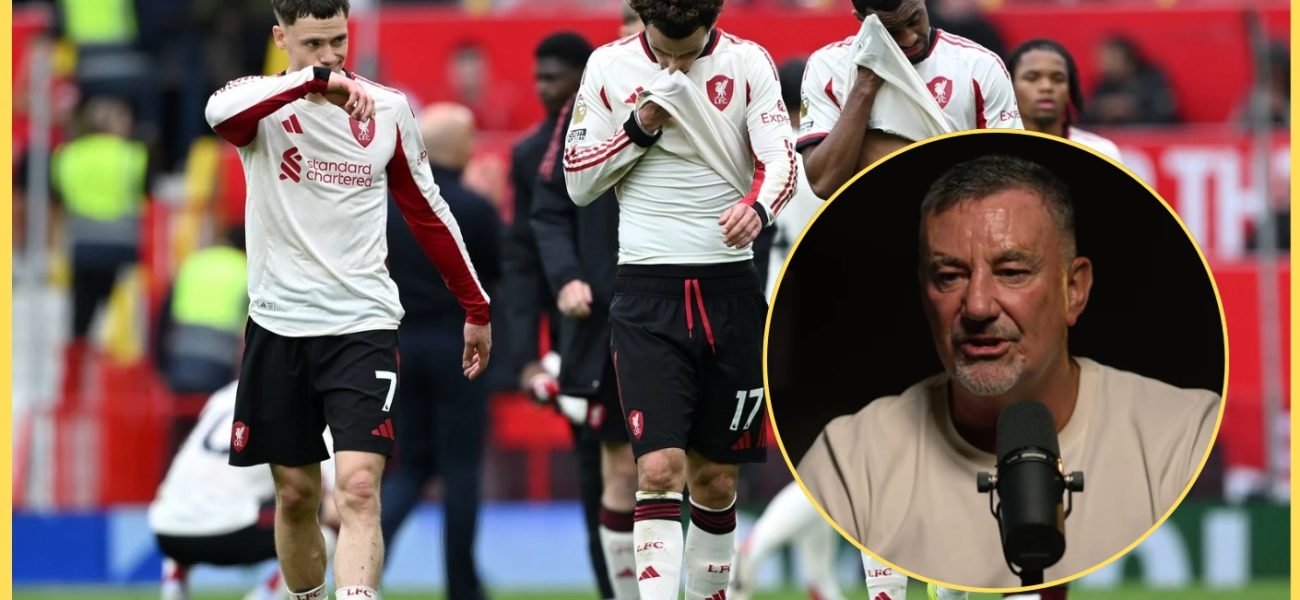
It’s not often a team recovers from a two-goal deficit against its most bitter rival, only to concede the decisive blow. But that’s precisely the dispiriting tableau that unfolded for Liverpool, a club whose recent history is etched with tales of relentless pursuit. After a first-half display that drew the sort of scathing indictment typically reserved for fiscal mismanagement from pundit Roy Keane, the Reds hauled themselves back from 2-0 down. By the 55th minute, parity was restored, and Old Trafford—a cauldron of fervent support—had fallen into a nervous hush, almost disbelieving its own fortunes.
Still, the momentum, once seized, wasn’t capitalized upon. John Aldridge, the former Liverpool striker, voiced the collective exasperation of a fanbase, penning his rueful observations for the Liverpool Echo. “They’d gone,” he mused, referring to Manchester United. “United were there for the taking. But we slowed it down instead of going for another goal. It was strange.” His words aren’t just a post-match lament; they’re a pointed critique of indecision in a pivotal moment, a hesitation that costs dearly.
Behind the headlines, this match offers a chilling parallel to high-stakes negotiations or geopolitical maneuvers. Once equilibrium is achieved, the aggressor often reveals their hand, vulnerable. But instead of delivering a knockout blow, Liverpool settled, almost passively, allowing their wounded opponent to regroup. And that, contends Dr. Ayesha Khan, a geopolitical sports analyst often consulted by the Pakistani Ministry of Inter-Provincial Coordination, is where the true policy lesson lies.
“This wasn’t merely a football match; it was a testament to the fragile psychology of high-performance environments,” Khan shot back during a recent virtual panel. “Such a strategic misstep, particularly after regaining parity, resonates far beyond the pitch, mirroring miscalculations we’ve observed in various policy arenas. You can’t pause when you have the upper hand; you must press.” Her words highlight how deeply these sporting narratives connect with broader policy playbooks, particularly in regions like South Asia where Premier League football is followed with almost religious zeal, influencing cultural discourse and even national morale.
The statistical evidence underscores this tactical reticence. After the equaliser, and before Kobbie Mainoo’s exquisite 77th-minute winner, Liverpool’s shot count stood at a meager 7-6 in their favor, according to WhoScored data. It’s a numerical embodiment of their psychological foot-off-the-pedal moment—a decision that ultimately paved the way for United’s triumph. Opta analytics still rate Liverpool’s chances of Champions League qualification at a robust 98.35% following Monday’s results, suggesting the long-term objective remains largely undisturbed. But the sting of the missed opportunity, the sense of a self-inflicted wound, will surely linger.
📄 POLICY WIRE WHITEPAPER PUBLISHED: PAKISTAN'S NATIONAL SECURITY POLICY PRIORITIES
👉 READ BY CLICKING HEREAt its core, this isn’t just about a football club. It’s about leadership, about seizing the fleeting moments of ascendancy, and about understanding that in any competitive arena—be it sports, diplomacy, or economic policy—hesitation can be as ruinous as outright failure. It’s a reminder that sometimes, the hardest battle isn’t against the opponent, but against one’s own strategic indecisiveness.
What This Means
The Old Trafford encounter offers a stark lesson in leadership and strategic acumen, implications that reverberate far beyond the confines of professional sports. For Liverpool, the immediate consequence is a psychological blow, a narrative of ‘what if’ that can erode confidence and sharpen internal scrutiny. This kind of high-profile, emotionally charged setback, even if statistically insignificant for their season’s ultimate goals, serves as a litmus test for the club’s resilience and its coaching staff’s ability to learn from strategic lapses.
Economically, while a single league defeat won’t derail a global brand like Liverpool, the manner of loss can subtly affect fan engagement, merchandise sales, and even future broadcast appeal in key international markets, including the burgeoning fanbases across the Muslim world and South Asia. From a policy perspective, it highlights the critical need for decisive action in moments of vulnerability for an adversary. Governments — and corporations, much like football teams, operate in environments where momentum shifts are constant. The inability to press an advantage after achieving parity—whether in trade negotiations, military operations, or market competition—is a failure of strategic foresight. It’s a cautionary tale: complacency, even after a hard-won gain, frequently invites reversal.