


From Comet Dust to Cold Fronts: New Mexico’s Transient Skies Hint at Enduring Resource Battles
POLICY WIRE — ALBUQUERQUE, N.M. — While many in the Land of Enchantment were scanning the southeastern heavens for remnants of Halley’s Comet – a celestial ballet performed by the Eta Aquariid meteor...

POLICY WIRE — ALBUQUERQUE, N.M. — While many in the Land of Enchantment were scanning the southeastern heavens for remnants of Halley’s Comet – a celestial ballet performed by the Eta Aquariid meteor shower – a decidedly terrestrial drama was unfolding, one with far more immediate policy implications. The ephemeral glitter of space debris, a yearly ritual, offered a poignant counterpoint to the stark realities of an impending cold front, its arrival portending significant shifts in New Mexico’s precarious hydrological calculus. It’s often the case that the spectacular distracts from the systemic, — and Tuesday was no different.
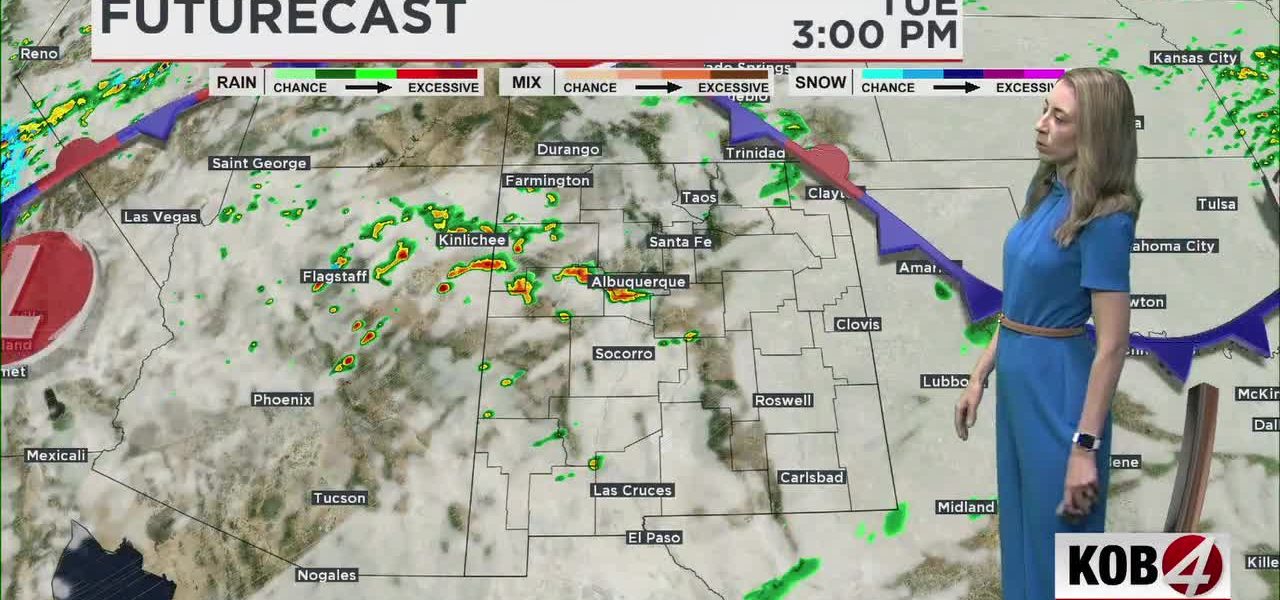
The state, habitually parched, braced for a smattering of precipitation. But this wasn’t just any weather event; it was a cold front, pushing south, promising not merely rain, but mountain snow above 8,000 feet — a potentially crucial, albeit temporary, deposit into the region’s perpetually strained water coffers. Policy wonks, ever fixated on drought metrics and reservoir levels, undoubtedly saw less of a fleeting light show and more of a modest, atmospheric dole-out, a momentary reprieve that highlights deeper systemic vulnerabilities. Still, every drop, every flake, carries weight here.
“We’re always monitoring these systems with bated breath,” opined Sarah Chen, New Mexico’s Deputy State Engineer, from her Santa Fe office. “It’s not just about today’s forecast; it’s about what each event contributes, or fails to contribute, to our long-term water security. Even isolated showers become consequential when you’re managing a finite, stressed resource.” Her statement underscores the almost forensic scrutiny applied to even the most meager weather reports in a state where water rights are perpetually litigious, historically significant, and economically vital.
The meteorological forecast, delivered with customary precision by meteorologists like Amanda Goluszka, detailed the front’s progress: isolated showers evolving into scattered events across central, northern, and western New Mexico. Winds, too, would whip through — 20-30 mph statewide, escalating to 30-50 mph gusts in southeastern expanses, triggering Wind Advisories for swathes of the South-Central Mountains and counties like Eddy and Lea. Such conditions don’t just inconvenience; they menace agricultural efforts, exacerbate soil erosion (patchy blowing dust, for instance, isn’t just an aesthetic concern), and tax emergency services. It’s a low-grade infrastructure challenge that plays out across vast tracts of the American West.
And let’s not forget the drop in mercury. Afternoon highs were projected to plummet by 5-15 degrees Tuesday and Wednesday compared to Monday’s balmier disposition. For communities reliant on outdoor commerce or agriculture, particularly in high-desert climes, such abrupt shifts aren’t trivial; they translate into tangible economic ripple effects. Local businesses, especially those in tourism, feel the pinch of unpredictable climate. But what’s a brief dip in temperature compared to the specter of enduring aridity?
Behind the headlines, the wider policy conversation regarding climate resilience continues its slow, often contentious, march. New Mexico, much like other arid regions globally – think parts of Pakistan’s Balochistan or Saudi Arabia’s northern deserts – grapples with the existential threat of water scarcity, a challenge amplified by climate pattern shifts. It’s a universal narrative, really, though the specific policy responses vary wildly. Our ancestors, from the Pueblo peoples here to the astronomers of the Islamic Golden Age who meticulously cataloged celestial events (a policy of empirical observation, if you will), understood the profound connection between the heavens and terrestrial survival. They didn’t have Doppler radar, but they knew the rhythms of the sky dictated life.
“We’ve got to get smarter about how we manage every facet of our environment,” shot back Representative Eleanor Chavez (D-NM), a vocal advocate for environmental legislation, commenting on the state’s long-term water strategy. “These small weather events, the modest rain, the hopeful snow — they’re not solutions, they’re reminders. Reminders that we’re still not doing enough to secure our future against a changing climate. It’s a collective failure of imagination, — and often, political will.”
Indeed, the numbers are stark. New Mexico’s average annual precipitation hovers around 14.6 inches, according to the U.S. Geological Survey — a paltry sum that makes every weather system, no matter how minor, a point of policy contention and public fascination. So, while some gazed at streaking meteors (and perhaps even made a wish), others were already calculating what this cold front truly meant for the next fiscal year’s budget projections for agricultural relief or wildfire suppression. Priorities, it seems, are invariably grounded.
What This Means
This seemingly innocuous weather forecast for New Mexico, sandwiched between a benign warm spell and a celestial curiosity, actually foregrounds several critical policy junctures. Economically, the temperature drop and increased winds bear direct implications for energy consumption — heating costs will rise, albeit temporarily — and agricultural planning. Breezy conditions, coupled with potential dust, directly affect air quality, presenting public health challenges and influencing regulations for outdoor labor. More broadly, the persistent focus on rainfall amounts, no matter how small, underscores New Mexico’s perpetual struggle with water scarcity. Each weather event becomes a policy crucible, testing the efficacy of existing water conservation mandates, infrastructure resilience, and drought mitigation strategies.
Politically, the narrative of a changing climate, even when discussed through the lens of a single cold front, fuels ongoing debates in the state legislature concerning environmental protection, renewable energy investments, and federal funding for climate adaptation. For decision-makers, every forecast is a data point in a larger, urgent conversation about resource allocation and sustainable growth in an increasingly volatile climate. It’s a subtle but relentless pressure, one that transcends party lines, demanding strategic foresight. Ultimately, the fleeting nature of both meteor showers and isolated rain events in an arid landscape serves as a constant, implicit reminder of the monumental policy challenges that truly endure.