


Market’s Mirage: Veteran Economist Shilling Warns of Imminent Plunge as Recession’s Shadow Lengthens
POLICY WIRE — Washington D.C., USA — The peculiar quietude pervading global financial markets, a sort of collective breath-holding before an unknown calamity, might just be the most disconcerting...

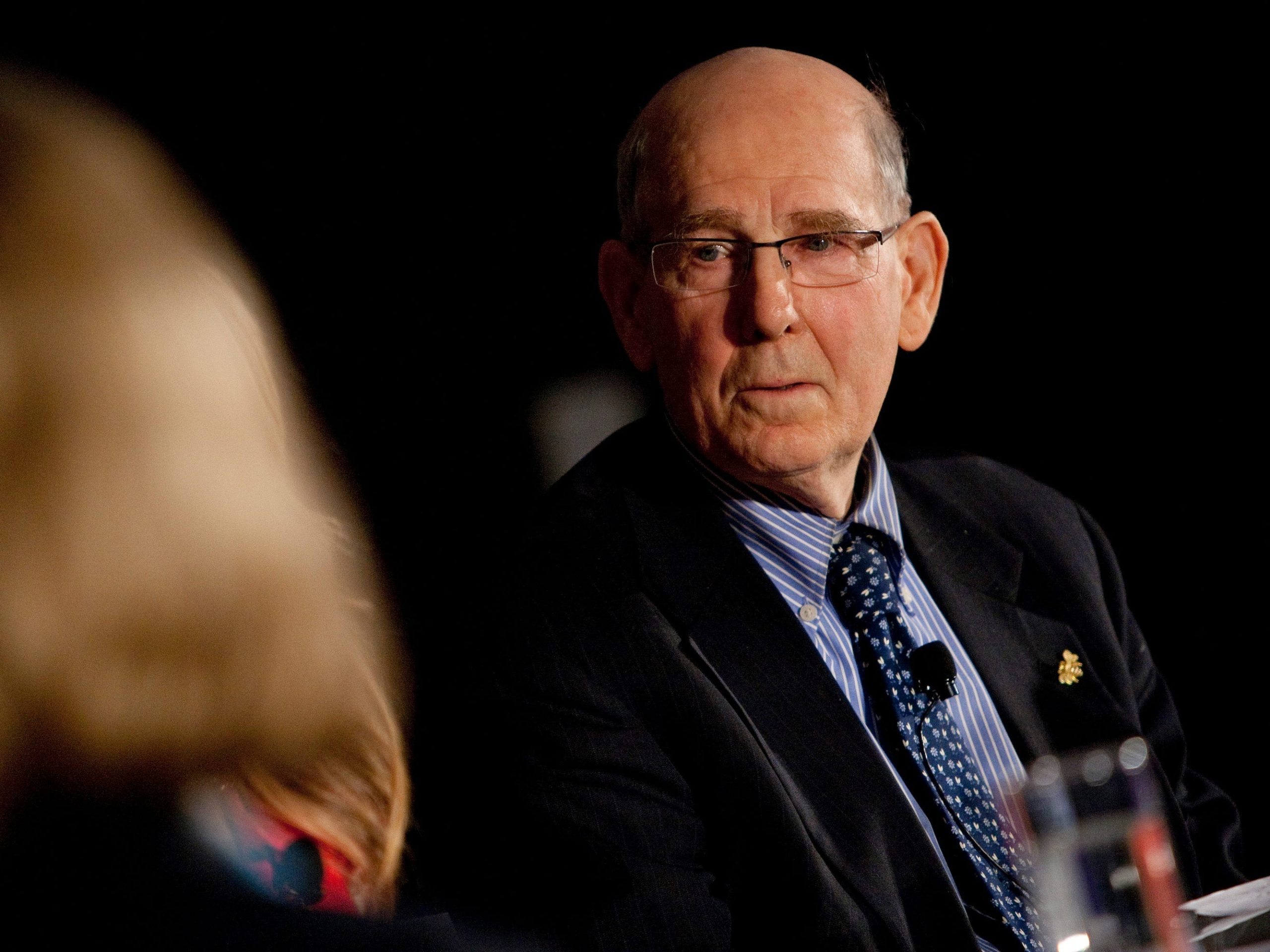
POLICY WIRE — Washington D.C., USA — The peculiar quietude pervading global financial markets, a sort of collective breath-holding before an unknown calamity, might just be the most disconcerting indicator of all. While headline economic data often paints a picture of resilient consumer spending and stubbornly low unemployment, a dissonant chord is being struck by an esteemed, if perennially bearish, voice. Gary Shilling, a veteran economist whose prognostications have frequently proven prescient, is once again sounding the alarm, asserting that a profound recession — and a precipitous stock market decline — isn’t merely possible, it’s virtually inevitable before the calendar flips to a new year.
It’s a stark forecast, particularly when juxtaposed against the mainstream optimism periodically buoying investor sentiment. Shilling isn’t just predicting a dip; he’s anticipating a veritable canyon, arguing that the market’s current elevation is an unsustainable artifice, pumped up by lingering liquidity and a misplaced belief in a soft landing. And he’s not alone in his conviction, though perhaps more emphatic.
Behind the headlines of robust job growth, Shilling sees a consumer base increasingly reliant on credit, facing the delayed repercussions of aggressive monetary tightening. The Federal Reserve, he contends, has engineered a slowdown that hasn’t fully materialized in asset prices, creating a dangerous divergence. But many policymakers still cling to a more sanguine outlook. “While we acknowledge the headwinds—global instability and persistent inflationary pressures are certainly factors—the Federal Reserve remains committed to navigating these complexities with data-driven precision, ensuring the long-term stability of the American economy,” shot back a senior Federal Reserve advisor, Dr. Eleanor Vance, when pressed on such dire predictions. “Prudent fiscal policy is, as always, our lodestar.”
Still, Shilling’s argument rests on a simple premise: central banks, once stimulative, are now restrictive, and the lagged effects of these policies are only just beginning to bite. Corporate earnings, he posits, are poised for a significant contraction as demand wanes and borrowing costs remain elevated. This isn’t merely an academic exercise, mind you; it’s a potential fiscal earthquake with global aftershocks. The S&P 500, for instance, has historically seen an average decline of about 35% during recessions accompanied by bear markets, according to various financial analyses, including those by Bank of America research, painting a grim picture of what Shilling suggests is on the horizon.
And the ramifications extend far beyond Wall Street. In Islamabad, Karachi, — and Lahore, the murmurs of a global downturn are met with a palpable sense of apprehension. Pakistan, a nation perennially grappling with its own economic fragility, would find itself particularly exposed to a severe global contraction. Export markets would shrivel, remittances — a vital lifeline for many families — could dwindle, and the already burdensome external debt would become even more unwieldy. “Our nation’s resilience is often tested by global economic currents, and we’re acutely aware of external pressures,” remarked Dr. Arif Khan, Pakistan’s Secretary for Economic Affairs, during a recent press briefing. “But we’re implementing structural reforms, attracting investment, and fostering regional trade, recognizing that self-reliance—and robust international partnerships—are paramount in these unpredictable times.” Such assurances, while necessary, often sound hollow when global titans falter.
At its core, Shilling’s thesis is a reminder that economic cycles, however much policymakers try to flatten them, still exist. The exuberance of recent years, he argues, has merely postponed the reckoning, making it potentially more brutal when it arrives. His insistence on a “deep” plunge suggests that simply weathering a mild downturn won’t cut it. This isn’t just about losing some paper wealth; it’s about a fundamental re-calibration of economic expectations, a painful but perhaps necessary corrective to years of artificially low rates and expanding balance sheets.
The question for investors, businesses, — and governments alike isn’t whether to believe Shilling, but how to prepare. Because even if his timing is off by a few months, the underlying tensions he identifies — ballooning debt, persistent inflation, and the slow-motion unwinding of decades of easy money — are difficult to ignore. You can find more nuanced discussions on managing such turbulent financial seas by considering the unforgiving realities of market dynamics or the intricate dance of political coalitions under economic duress.
What This Means
Gary Shilling’s unvarnished prediction carries consequential weight, offering a counter-narrative to the prevailing, if cautious, optimism. Should his forecast materialize, the political implications would be profound. Governments worldwide, already grappling with post-pandemic debt and geopolitical volatility, would face immense pressure to stabilize economies, potentially leading to increased protectionism and a retreat from global supply chains. For emerging economies, particularly those in South Asia like Pakistan, a severe global recession would exacerbate existing vulnerabilities, demanding swift and decisive policy interventions that they often struggle to implement effectively. Social unrest, fueled by unemployment and declining living standards, becomes a significant risk in such scenarios, testing the durability of political structures. Economically, this would mean a severe deleveraging across sectors, potentially unlocking disinflationary pressures but at the cost of widespread corporate bankruptcies and job losses. It’s a scenario that demands not just vigilance, but a radical re-evaluation of economic resilience strategies, both domestically and internationally. The ripple effect, in short, wouldn’t spare anyone.