


Digital Reckoning: Viral Spitting Incident Exposes America’s Raw Religious Fault Lines
POLICY WIRE — ALBUQUERQUE, N.M. — The flickering pixels of a smartphone screen, once a mere portal to shared cat videos and vacation snaps, have morphed into an unforgiving arbiter of public...

POLICY WIRE — ALBUQUERQUE, N.M. — The flickering pixels of a smartphone screen, once a mere portal to shared cat videos and vacation snaps, have morphed into an unforgiving arbiter of public morality, and, increasingly, a key piece of judicial evidence. And in the sun-baked streets of Old Town Albuquerque, that digital reckoning arrived for Daniel Bernal, a 70-year-old man whose alleged anti-Islam tirade, captured on camera, has unfurled a stark tableau of America’s simmering religious tensions.
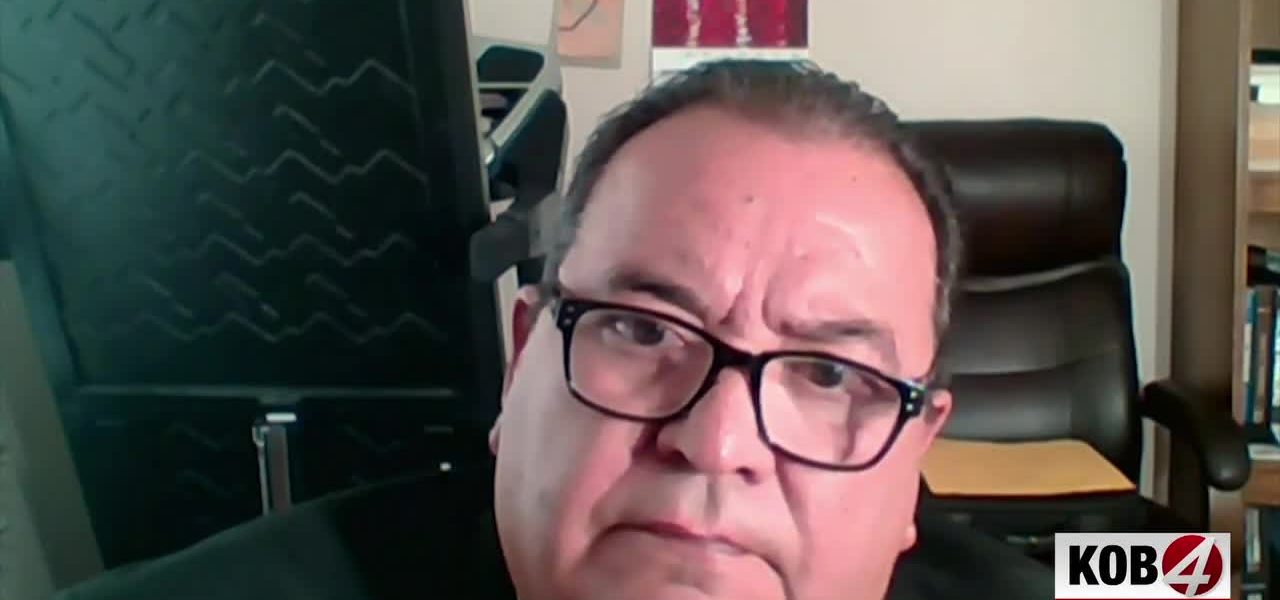
It wasn’t the usual courtroom drama; it was the echo of a moment, brief yet profoundly ugly, that demanded attention. Bernal appeared virtually before a judge Thursday, charged with battery after being accused of spitting on Sana Ali, a Muslim woman, while she was with her children. Ali asserts the incident was a hate crime, a chilling encounter where Bernal allegedly questioned her faith, then ominously informed her she would “burn in hell.” So, the legal system, often a lagging indicator of societal pulse, now grapples with an incident already adjudicated, in a sense, by millions of internet users.
During the arraignment, Bernal, a man whose attorney noted attends church in the very plaza he’s now barred from, entered a plea of not guilty. But the judge wasn’t entirely swayed by the routine. Standard conditions of release were granted, yes, but with a pointed stipulation: Bernal is to steer clear of Old Town Plaza. He maintained he could comply, a concession pregnant with a quiet irony, considering the purported location of his spiritual solace became the alleged stage for his spiritual aggression.
“These aren’t just charges; they’re an indictment of basic human decency, a stark reminder that hate, when unchecked, metastasizes into overt aggression,” asserted District Attorney Jane Holloway, underscoring the broader implications of the alleged act. Her sentiment wasn’t merely legalistic; it resonated with a public increasingly unnerved by visible manifestations of intolerance.
Behind the headlines of this individual case lies a more expansive, more troubling narrative. According to the FBI’s most recent hate crime statistics, anti-Muslim incidents constitute approximately 13.5% of all religion-based hate crimes in the United States, a figure that has shown concerning fluctuations in recent years. Still, these numbers only capture reported incidents, often failing to convey the persistent, low-level harassment that Muslim communities routinely face — the sidelong glances, the muttered slurs, the casual othering that corrodes everyday life. For diaspora communities, especially those from Pakistan and other South Asian nations, such incidents aren’t merely local news; they’re potent symbols, reinforcing anxieties about identity and belonging in a perceivedly hostile climate.
Dr. Omar Hassan, Director of the Interfaith Alliance of New Mexico, didn’t mince words. “Every Muslim woman who wears a hijab understands the vulnerability Sana Ali experienced. This isn’t an isolated incident; it’s a symptom of a growing intolerance that demands our collective vigilance and systemic responses,” he declared, his voice carrying the weight of community concern. He’s right, it’s a symptom. A symptom of something larger, something systemic.
📄 POLICY WIRE WHITEPAPER PUBLISHED: PAKISTAN'S NATIONAL SECURITY POLICY PRIORITIES
👉 READ BY CLICKING HEREThe ubiquity of smartphones means incidents like this are no longer confined to hushed whispers or ignored complaints; they’re instantly broadcast, compelling public institutions to act where they might have once demurred. It’s a double-edged sword, of course: the internet can also amplify misinformation and tribalism, exacerbating the very societal divides it sometimes exposes. But for Sana Ali, that camera likely represented a vital witness, an impartial chronicler of an assault she believes was fueled by religious animosity.
It’s not just about a spit and a charge; it’s about the fabric of a community, the boundaries of civility, and the role of digital media in shaping our understanding of justice. And as the legal gears slowly turn in Albuquerque, the broader conversation around religious freedom, hate speech, and the power of a single viral video only accelerates.
What This Means
This incident, while seemingly localized, carries considerable political — and social weight. Politically, it spotlights the ongoing challenge of defining and prosecuting hate crimes, particularly in an era of heightened rhetoric. Prosecutors are often caught between proving specific intent — a high bar — and addressing the tangible fear and trauma experienced by victims. the virality of the video can exert public pressure on the justice system, demanding swifter, more visible action, which can sometimes complicate due process. Economically, while the direct impact on Albuquerque’s Old Town might be negligible, such incidents contribute to a broader atmosphere of distrust and division that can subtly deter tourism or business investment over time, particularly in communities reliant on a diverse, welcoming image. At its core, this case is a microcosm of larger battles for social cohesion in a pluralistic society, forcing us to confront how we safeguard religious minorities and maintain civil discourse amidst polarizing viewpoints. It’s a bellwether, perhaps, for the contentious road ahead.