
Silent Famine’s Shadow: Iran Tensions Choke Global Aid Lifelines, UN Warns
POLICY WIRE — Geneva, Switzerland — The echoes of distant geopolitical friction often manifest not in grand pronouncements, but in the slow, agonizing strangulation of essential services...

POLICY WIRE — Geneva, Switzerland — The echoes of distant geopolitical friction often manifest not in grand pronouncements, but in the slow, agonizing strangulation of essential services for the world’s most vulnerable. That’s the quiet, chilling reality now emerging from the labyrinthine corridors of international aid, where a growing conflict—or rather, the ominous specter of one involving Iran—is subtly but savagely redirecting vital humanitarian resources, leaving a trail of exacerbated suffering in its wake.
It isn’t a direct blockade, nor an explicit edict, yet the effect is unmistakable. Global humanitarian agencies, perpetually teetering on the precipice of underfunding, are increasingly finding their limited budgets and donor attention diverted towards the burgeoning hotspots of the Middle East. And this isn’t merely about direct conflict zones; it’s about the gravitational pull of potential catastrophe, pulling away crucial support from long-standing, often forgotten crises.
Behind the headlines of missile exchanges and diplomatic brinkmanship, the bureaucratic wheels of global charity are grinding against an ever-hardening financial landscape. The United Nations Refugee Agency (UNHCR), a bellwether for international benevolence (or its absence), recently cast a stark light on this phenomenon. They’ve observed a palpable shift, a silent hemorrhage of funds from established programs to newer, more politically charged emergencies, many directly or indirectly linked to the escalating tensions involving Iran and its proxies across the region.
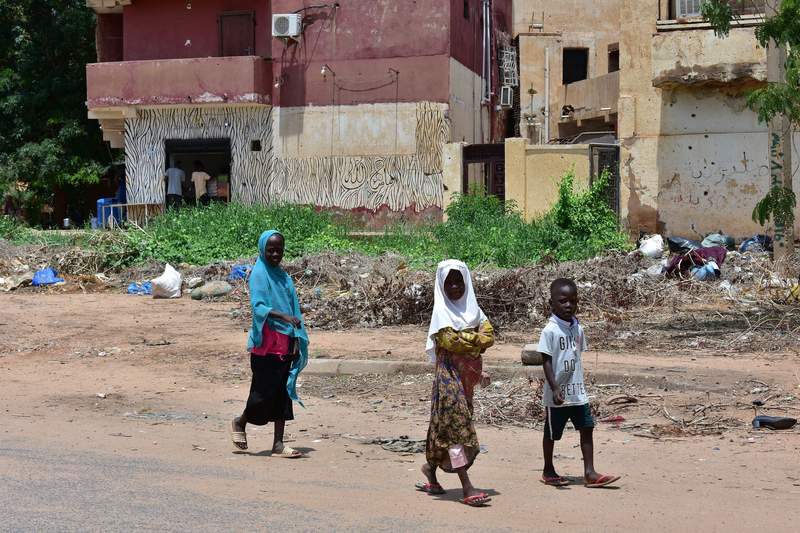
Filippo Grandi, the UN High Commissioner for Refugees, didn’t mince words, though his tone was more weary lament than fiery condemnation. “We’re witnessing a cruel zero-sum game,” Grandi asserted during a recent, sparsely attended press briefing. “Every new flare-up, every new escalation in the Middle East, doesn’t just demand resources for that specific flashpoint; it drains the global reservoir. Donors, understandably focused on immediate crises, inadvertently leave millions in places like Afghanistan, Sudan, or the Democratic Republic of Congo struggling with even less than they had yesterday. It’s a humanitarian starvation by proxy, if you will.” His concern, palpable, underscores a deepening crisis of global priorities.
Still, the implications stretch far beyond mere budgetary reallocations. Consider the complex, fragile stability of nations like Pakistan. For decades, it’s borne the brunt of hosting millions of Afghan refugees, a monumental humanitarian effort often overlooked in Western media. The diverted attention and resources mean programs supporting these vulnerable populations—education, healthcare, livelihood initiatives—are now facing severe cuts, straining a national infrastructure already under immense pressure. One could argue it’s a profound geopolitical oversight, isn’t it?
📄 POLICY WIRE WHITEPAPER PUBLISHED: PAKISTAN'S NATIONAL SECURITY POLICY PRIORITIES
👉 READ BY CLICKING HERENabila Farooqi, a senior official with Pakistan’s Ministry of States and Frontier Regions, voiced the frustration gripping Islamabad. “Our resources are finite, and our generosity, while immense, isn’t limitless,” Farooqi shot back when questioned on the looming shortfalls. “When the world’s focus shifts to newer, more ‘exciting’ conflicts, the foundational support for our refugee communities—support we were promised—evaporates. We’re left with the immense burden, — and frankly, a growing sense of abandonment. It’s not just Iran’s conflict; it’s the global community’s myopic vision that truly harms.” Her words cut deep, reflecting a widely held sentiment among nations grappling with protracted refugee situations.
And the numbers, they don’t lie. UNHCR’s 2023 Global Report highlighted a staggering 57% funding gap for its overall global operations — a shortfall that predates the most recent Middle Eastern escalations but is undoubtedly compounded by them. This isn’t abstract accounting; it translates directly into fewer meals, less medical aid, and diminished protection for stateless individuals and displaced families worldwide.
What This Means
At its core, this situation represents a dangerous tightening of an already taut humanitarian belt. Economically, it means less foreign assistance flowing into countries grappling with refugee populations, potentially destabilizing regional economies and exacerbating poverty. Politically, the diversion of aid away from existing crises risks igniting fresh unrest in areas where stability is tenuous, creating a vicious cycle of displacement. it undermines the very principle of shared global responsibility, fostering resentment in host nations like Pakistan and eroding trust in international institutions. The subtle irony, of course, is that in focusing exclusively on one looming threat, the international community risks inadvertently cultivating new ones through neglect. The perilous calculus of regional conflict doesn’t merely count casualties; it tallies the unseen costs of neglected humanity, too. The international community, it seems, can’t afford to walk and chew gum at the same time when it comes to global crises.
📖 GET YOUR FREE COPY NOW OF POLICY WIRE DIGITAL MAGAZINE JULY 2026 EDITION
👉 READ & DOWNLOAD FREE MAGAZINE