


Risk & Ruin: Tatum’s Game 7 Dilemma Pits Glory Against Career Longevity
POLICY WIRE — Boston, USA — The hardwood, a gleaming stage for athletic heroics, often demands a Faustian bargain: immediate, visceral glory against the specter of long-term infirmity. This...

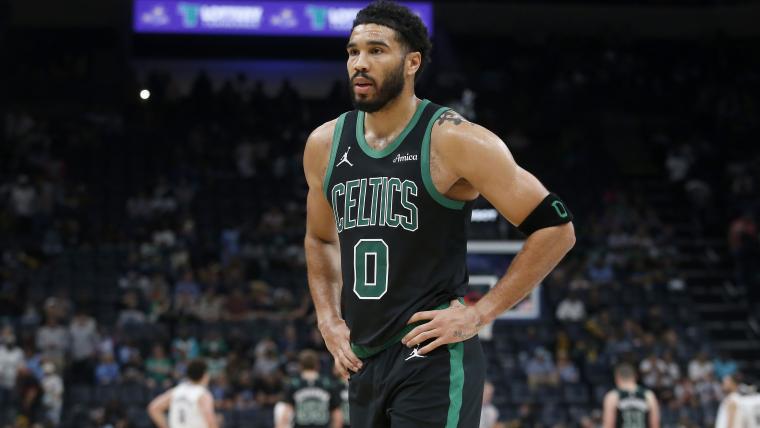
POLICY WIRE — Boston, USA — The hardwood, a gleaming stage for athletic heroics, often demands a Faustian bargain: immediate, visceral glory against the specter of long-term infirmity. This isn’t just about a basketball game; it’s a stark parable of risk assessment, where a multi-million-dollar asset faces a decision with profound repercussions—for himself, for his franchise, and for the legion of global devotees who hang on every dribble. Boston Celtics star Jayson Tatum, nursing an apparent leg injury, now stands at this precipice, with an elimination Game 7 against the Philadelphia 76ers looming large.
His team, having suffered a thorough dismantling in Game 6, stares down a winner-take-all scenario. But beyond the immediate drama, a more fundamental question has surfaced: Should Tatum even play? It’s a contentious query, particularly when former players—those who’ve borne the physical brunt of professional sports—weigh in with grim experience. And that’s exactly what former Celtic — and ESPN analyst Kendrick Perkins did, offering a stark warning.
“I’m gonna say this to the Celtics — and the medical staff and everybody. I’m not going to question them because I’m not a doctor,” Perkins opined during an appearance on ESPN’s First Take. “But I’ve also been through a lot of injuries — and a lot of surgeries. I tore my ACL, and what the doctor told me is ‘Hey Perk. The only bad news that I have for you is that you have a higher percentage of tearing your other ACL because you overcompensate on that leg.’ So when you think about what you just said with Tatum, if he’s feeling any type of discomfort, he might have to sit out Game 7. It’s not worth the risk.”
Perkins’s counsel isn’t merely anecdotal. Tatum’s current issue is reportedly in his left leg, a year after he suffered an Achilles tear in his right. This history compounds the concern, fueling the narrative that overcompensation might be rendering his currently sound limb vulnerable. It’s a cruel irony of elite athleticism, isn’t it—the very drive to excel can betray the body.
Still, the stakes couldn’t be higher. A Game 7 victory means advancing closer to the sport’s ultimate prize. A loss means an abrupt, disappointing end to the season. Franchise leadership faces an unenviable choice: push their star, potentially jeopardizing his future, or prioritize long-term health at the cost of immediate competitive advantage. Celtics President of Basketball Operations, Brad Stevens, though not directly addressing Tatum’s status, recently underscored the organization’s commitment to player welfare. “We’re not in the business of mortgaging futures for a single contest,” Stevens reportedly told an internal team meeting earlier this season, emphasizing the club’s fiduciary duty to its assets, human or otherwise. “While every player yearns for the chance to play, our medical staff’s counsel is paramount.”
That counsel, in a league where player availability is king, carries immense weight. According to a 2023 analysis by Sports Injury Central, NBA teams collectively lost over $1.5 billion in player salaries due to injuries in the 2022-2023 season alone. Such figures crystallize the complex interplay of human capital, athletic ambition, — and cold, hard economics.
📄 POLICY WIRE WHITEPAPER PUBLISHED: PAKISTAN'S NATIONAL SECURITY POLICY PRIORITIES
👉 READ BY CLICKING HEREWhat This Means
This dilemma—the immediate, visceral demand for victory versus the prudent preservation of long-term resources—isn’t confined to American sports arenas. It echoes far beyond, reverberating in the political — and economic theaters of regions like South Asia. Nations, much like NBA franchises, frequently find themselves weighing the cost of immediate intervention versus sustained stability, often under the intense glare of public expectation and geopolitical pressure. For instance, consider the leadership in Pakistan, navigating a perpetual balancing act between urgent economic reforms (which might cause short-term public pain) and the long-term stability essential for attracting foreign investment and maintaining regional influence. They’ve got to make tough calls, don’t they?
The NBA, as a global brand, often positions its star players as ambassadors of American soft power, cultivating fandom in diverse corners of the world, from Boston to Balochistan. Decisions regarding player health—and the strategic management of athletic talent—reflect a broader corporate philosophy that understands a damaged asset isn’t merely a short-term setback; it’s a long-term drain on brand equity and financial performance. The global appeal of these athletes means their well-being is a matter of international interest, transcending the mere outcome of a single basketball game. It’s about protecting investments, maintaining narratives, and ensuring the continued flow of talent that fuels a multi-billion dollar enterprise. So, for the Celtics, this isn’t just about Tatum’s knee; it’s about the very calculus of high-stakes capital management.
Ultimately, the decision rests with Tatum and the Celtics’ medical team, undoubtedly under immense pressure from a demanding fanbase and ownership. But whatever the outcome, it’s a potent reminder that even in the dazzling world of professional sports, the human element—its fragility, its resilience, and the economic value tethered to it—remains the most consequential variable.