
Shadow of Retribution: Civilian Blood Stains Lebanon Border as Regional Tensions Simmer
POLICY WIRE — Beirut, Lebanon — The pervasive dread, a silent companion to life along Lebanon’s southern frontier, has again materialized into brutal reality. It’s a cruel, familiar...

POLICY WIRE — Beirut, Lebanon — The pervasive dread, a silent companion to life along Lebanon’s southern frontier, has again materialized into brutal reality. It’s a cruel, familiar rhythm: cross-border fire, a retaliatory strike, and then, invariably, the chilling tally of civilian lives extinguished or irrevocably altered. This week, it was a woman’s life, summarily cut short, and her children’s innocence—shattered amidst the debris of what was once home.
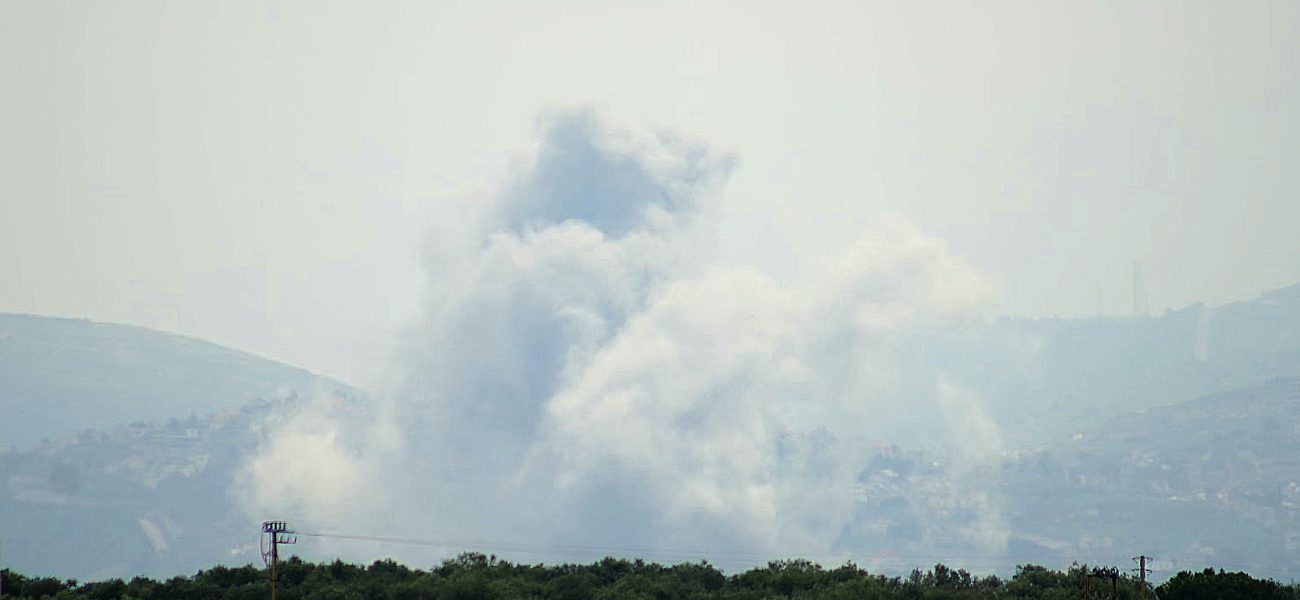
An Israeli airstrike, ostensibly aimed at Hezbollah infrastructure, instead eviscerated a residence in the village of Maroun al-Ras, a mere stone’s throw from the blue line delineating the fraught border. Details from local security sources confirm the grim outcome: a woman, identified as Layla Hamad, didn’t survive the concussive force. Her two young children, critically injured, now grapple with traumas extending far beyond their physical wounds. Don’t mistake this for an isolated incident; it’s a recurring footnote in a burgeoning regional ledger of violence. But what makes this particular episode so jarring is its stark, immediate human cost—a woman gone, children scarred, caught in a geostrategic pincers movement they couldn’t possibly comprehend.
And so, the diplomatic platitudes have already begun to circulate, thin veils over the raw wound. Rear Admiral Daniel Hagari, spokesperson for the Israel Defense Forces, shot back at accusations of indiscriminate targeting. “We deeply regret any civilian casualties; however, Hamas’s proxy, Hezbollah, deliberately operates from civilian areas, turning homes into launchpads. Our operations target terror infrastructure, and the responsibility for this tragedy ultimately rests with those who exploit their own people,” Hagari opined in a statement circulated by the IDF press office. It’s a well-worn narrative, one that seldom provides solace to those burying their dead.
Meanwhile, in Beirut, the outrage is palpable, if sadly predictable. H.E. Abdallah Bou Habib, Lebanon’s Foreign Minister, didn’t mince words. “This latest act of aggression isn’t merely a violation of our sovereignty; it’s a heinous crime against innocent civilians. The international community mustn’t turn a blind eye to Israel’s relentless assault on our nation, risking an even wider conflagration,” he asserted during an emergency press conference, his voice resonating with an undercurrent of exasperation. He’s right, of course, about the risk. The perilous calculus of Lebanon’s border is a daily tightrope walk, often tipping into freefall.
Still, this skirmish isn’t happening in a vacuum. It’s a direct spillover from the ongoing conflict in Gaza, where Israel’s military campaign against Hamas has ignited simmering resentments and proxy battles across the Middle East. Hezbollah, a powerful Shiite militant group and political party in Lebanon, has exchanged daily fire with Israel since October 7, characterizing its actions as support for Palestinians. This has left entire villages in southern Lebanon deserted, their inhabitants swelling the ranks of the internally displaced. The United Nations Office for the Coordination of Humanitarian Affairs (OCHA) estimates that over 90,000 people have been displaced from southern Lebanon since the border hostilities began, a sobering figure that underscores the profound human toll.
And what of the broader Muslim world? Pakistan, for instance, has consistently condemned Israeli military actions that result in civilian casualties, often calling for de-escalation and adherence to international law. These pronouncements, echoing sentiments from Tehran to Jakarta, serve as a barometer of regional angst, highlighting the interconnectedness of these flashpoints. They also exert a subtle, yet persistent, diplomatic pressure on international bodies—pressure that often feels insufficient against the backdrop of such kinetic events.
📄 POLICY WIRE WHITEPAPER PUBLISHED: PAKISTAN'S NATIONAL SECURITY POLICY PRIORITIES
👉 READ BY CLICKING HEREAt its core, this incident underscores the grim reality of a region perpetually on the brink. Each explosion, each casualty report, pushes the already fragile stability closer to an abyss. It’s not just about two warring factions; it’s about the lives caught in the crossfire—lives like Layla Hamad’s, now tragically emblematic of a larger, unyielding conflict.
What This Means
This latest civilian fatality isn’t just a sorrowful headline; it’s a potent accelerant for an already volatile situation. Politically, it deepens the fissure between Israel and Lebanon, making any semblance of a negotiated de-escalation seem utterly chimerical. Domestically, it strengthens Hezbollah’s narrative of resistance against Israeli aggression, potentially bolstering its support base even as the Lebanese populace reels from ongoing economic crises. For the Israeli government, facing international scrutiny over its conduct in Gaza, such incidents complicate its efforts to maintain a perception of targeted, defensive operations.
Economically, the persistent border conflict is an unmitigated disaster for southern Lebanon. Agricultural lands lie fallow, infrastructure is damaged, and the displacement crisis strains an already broken public service system. Tourism, a vital revenue stream for Lebanon, remains crippled. The ripple effect extends regionally too: sustained instability diverts international aid and investment, effectively stunting growth and creating fertile ground for further radicalization. The possibility of a wider war, however remote, casts a long shadow over global energy markets and supply chains—an economic Sword of Damocles, ever-present. This tragic skirmish isn’t just a local affair; it’s a stark reminder of how rapidly localized violence can unravel broader geopolitical balances, echoing the anxieties that feed into concerns about silent famine in other tense regions. One woman’s death, tragically, serves as a bellwether for far more consequential reckonings.