

Texas Heroes Thwart Tragedy at Ancient Mexican Pyramid Amidst Gunfire
POLICY WIRE — Mexico City, Mexico — The tranquil hum of ancient history, a familiar backdrop for thousands visiting Mexico’s magnificent pre-Columbian sites, shattered into raw chaos last week....

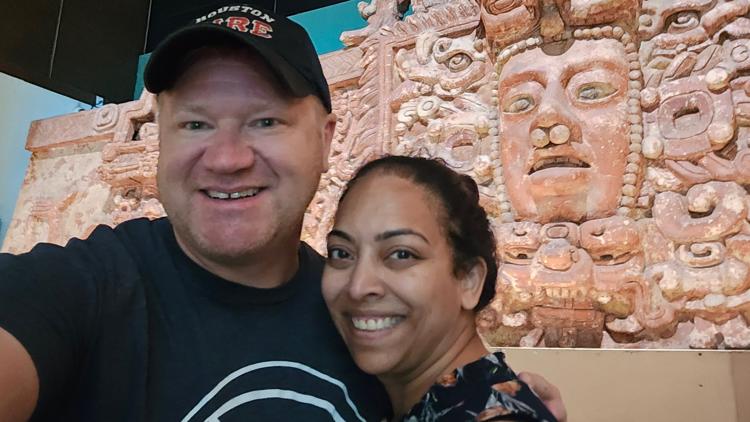
POLICY WIRE — Mexico City, Mexico — The tranquil hum of ancient history, a familiar backdrop for thousands visiting Mexico’s magnificent pre-Columbian sites, shattered into raw chaos last week. Amidst the grandeur of age-old stone, gunfire erupted, turning a dream vacation into a terrifying scramble for survival. And yet, from the pandemonium, two American tourists — an off-duty Houston firefighter and a doctor — emerged as unlikely saviors.
Few could have predicted such a grim turn. Travelers, many drawn by the promise of cultural immersion, found themselves ducking for cover as shots echoed across the archaeological park. It wasn’t a scene from a historical drama; it was very real, very current.
But for Mark Jensen, a seasoned veteran with the Houston Fire Department, and Dr. Emily Carter, an emergency physician back home, their instincts kicked in long before sirens cut through the jungle air. They navigated the ensuing bedlam, locating victims amidst the stunned crowds, delivering critical aid under the most harrowing circumstances.
“You train for emergencies, but you don’t ever expect to be administering trauma care at the base of a Mayan temple on your vacation,” Jensen later recounted, his voice still carrying the weight of the experience. “We just did what we had to do.”
Dr. Carter, her medical kit improvisationally assembled from a first-aid pouch and sheer resourcefulness, stabilized two individuals with gunshot wounds. One victim, according to local authorities, might not have survived the journey to a distant medical facility without her immediate intervention.
Back in Houston, news of their bravery resonated deeply. “That’s the Texas spirit, isn’t it? Selfless courage in the face of danger,” Houston Mayor John Whitmire told Policy Wire. “We’re incredibly proud of Firefighter Jensen — and Dr. Carter for representing the best of our city on foreign soil. Their actions saved lives, plain — and simple.”
The incident, still under investigation by Mexican authorities, casts a long shadow over the nation’s vital tourism sector. It’s a reminder that even iconic, historically rich destinations aren’t immune to the scourges of modern violence. Indeed, Mexico relies heavily on tourism, with the industry contributing nearly 9% to its GDP in 2022, according to the World Tourism Organization (UNWTO), supporting millions of jobs.
And that matters. Such incidents send ripples across global travel advisories, impacting visitor numbers from key markets, including those in the Muslim world and South Asia. Travelers from places like Pakistan, who increasingly seek out diverse international experiences, often prioritize safety and political stability above all else when choosing destinations. A perceived uptick in violence, however isolated, can deter entire demographics of potential tourists.
“We deeply regret this isolated act of violence that occurred within a secure tourist zone,” stated Mexican Secretary of Tourism Miguel Torruco Marqués in a press conference following the event. “We’re enhancing security protocols and working tirelessly with local law enforcement to ensure such incidents remain exceedingly rare. Mexico’s commitment to tourist safety is unwavering.”
Still, the math is stark: one highly publicized incident can erode confidence built over years. It forces a conversation about the balance between promoting cultural heritage and ensuring the absolute safety of millions of annual visitors.
What This Means
This episode, while geographically contained, carries significant implications beyond the immediate human tragedy. Politically, it puts renewed pressure on Mexico’s federal and state governments to demonstrate effective control over regions that are both economically crucial and occasionally susceptible to organized crime or random acts of violence. For an administration that has often emphasized its “hugs not bullets” approach, such high-profile incidents challenge the public perception of security effectiveness.
Economically, the immediate impact on local tourism might be negligible, but sustained negative press could deter future bookings. Tour operators and international travel agencies become more cautious, potentially shifting itineraries or issuing stronger warnings. This could ripple through local economies dependent on tourist dollars, from small vendors to large hotel chains. The unexpected can upend stability, whether it’s geopolitical or localized violence.
Diplomatically, incidents involving foreign nationals invariably prompt dialogues, and sometimes tension, between Mexico City and the respective home countries. Washington will undoubtedly seek assurances regarding the safety of its citizens, adding another layer to the complex U.S.-Mexico bilateral relationship, which already grapples with issues ranging from migration to trade.
“Mexico’s challenge isn’t just apprehending perpetrators; it’s about proactively demonstrating a secure environment that reassures international visitors and their governments,” observed Dr. Clara Mendoza, a geopolitical analyst specializing in Latin American security at the Council on Foreign Relations. “The long-term health of their tourism industry, a pillar of their economy, hinges on a visible, consistent commitment to safety. How they respond to incidents like this sets the tone for years to come.”