

Red Bull CEO’s Touchline Treadmill Stunt: Miles for a Mission Beyond the Pitch
POLICY WIRE — Leipzig, Germany — A peculiar happening materialized pitchside during a recent RB Leipzig home match, one that hardly concerned itself with the soaring goals or crunching tackles on...

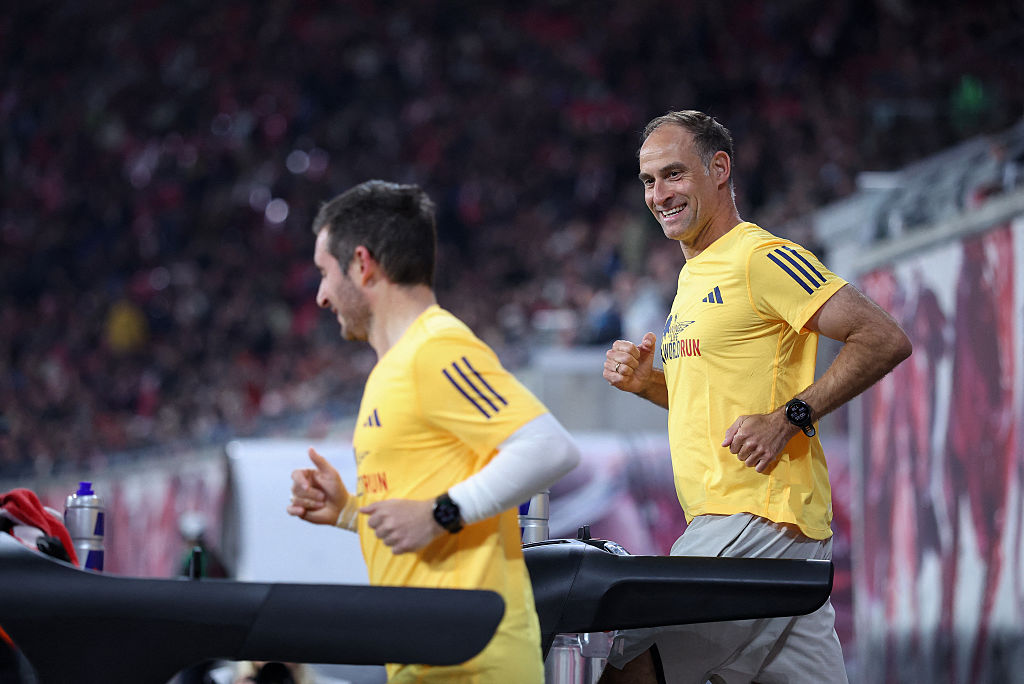
POLICY WIRE — Leipzig, Germany — A peculiar happening materialized pitchside during a recent RB Leipzig home match, one that hardly concerned itself with the soaring goals or crunching tackles on display. Forget the usual corporate box; Red Bull CEO Oliver Mintzlaff, the quiet architect behind the energy drink empire’s formidable sports machine, spent the whole ninety minutes doing something far more strenuous than just passively spectating.
There he was, a 50-year-old former long-distance runner, pounding away on a treadmill positioned conspicuously close to the team bench. His mission? Not fitness. Not even executive marathons. But outrunning his own pros. While simultaneously, mind you, shining a blinding global spotlight on a truly consequential cause.
It’s an audacious move, even for a brand built on audacious marketing. Mintzlaff’s very public, sweat-soaked exertion served as the linchpin of a campaign for the Wings for Life Foundation, an organization deeply embedded within the Red Bull universe, dedicated to finding a cure for spinal cord injuries worldwide.
And yet, this wasn’t a PR stunt he’d embraced immediately, not by a long shot. Initially, Mintzlaff confessed (with a wry grin, perhaps) to being less than thrilled when a marketing employee first tossed out the audacious notion.
“Honestly, my first reaction was, ‘Are you serious?'” Mintzlaff admitted later over the stadium microphone, a slight chuckle in his voice. “But the moment you realize the reach we have, the incredible platform a Bundesliga match offers, you simply can’t say no. This isn’t about me; it’s about giving hope to those who need it most.”
His eventual buy-in, he explained, stemmed from a deeper understanding of the foundation’s vital work — a sprawling, intricate tapestry of global research and patient support, often a quagmire of underfunding and overlooked urgency — and the sheer, unadulterated power of sports to amplify a message that truly mattered. The overarching quest was to ignite participation in the upcoming Wings for Life Run, an event that sees millions across the globe participate simultaneously, all for charity.
But beyond the sheer philanthropy, there was also, let’s not forget, a deeply personal, fiercely competitive edge for Mintzlaff himself. An endurance athlete of some renown, he threw down the gauntlet with a challenging goal: cover more ground on his whirring treadmill than any professional player on the pitch during the whole match. By halftime, he’d reportedly already logged an impressive 10 kilometers (yes, ten!), according to his own statement to ‘Sky’. For context, Leipzig’s top runner at that point, Max Finkgräfe, had covered 6.13 kilometers.
That’s a tectonic shift from the ho-hum, typical executive persona, isn’t it? It’s not just a CEO lending his name; it’s one literally putting in the grueling miles, the sweat, the visible effort, right there, under everyone’s gaze. This visceral, bone-deep engagement, proponents argue, utterly transcends staid, traditional corporate sponsorship.
The Wings for Life Foundation’s work, of course, extends far beyond the stadium sidelines in Germany. The global burden of spinal cord injuries is, frankly, gargantuan, with estimates suggesting anywhere between 250,000 and 500,000 new cases materializing worldwide each year — a devastating tsunami of human suffering and a colossal strain on healthcare systems — according to the World Health Organization. These injuries often result in life-altering paralysis, placing significant demands on healthcare systems and individuals.
So, for developing nations, particularly across South Asia, where access to specialized rehabilitation and advanced medical research can be woefully limited, foundations like Wings for Life play an even more pivotal, dare I say essential, role. Their funding of international research offers a tangible path — a veritable lifeline — towards breakthroughs that could truly benefit patients worldwide, including those in regions like Pakistan, which, let’s be honest, faces its own uphill battles in healthcare infrastructure. Pakistan Steps Forward as a Steady Voice for Peace in a Time of Crisis.
What This Means
This isn’t *just* about charity; it’s a bona fide masterclass in modern brand integration and corporate social responsibility, a cannonball splash in a placid PR pond. Red Bull has long been synonymous with extreme sports and pushing boundaries (think skydiving from space, people!), and this stunt neatly ties that very identity to an undeniably noble cause. It leverages the global appeal of football and the compelling personal narrative of a high-profile executive to forge a truly shareable, unforgettable moment.
But does it truly cut through the noise? Absolutely. In an era where consumers increasingly demand authenticity and purpose from brands, Mintzlaff’s personal, sweat-equity commitment elevates the message far beyond mere financial contribution. It’s consequential.
It’s a powerful public relations maneuver, no doubt, but one vitally underpinned by a genuine, undeniable medical need. This peculiar blending of sports, entertainment, and philanthropy concocts a unique, almost theatrical, platform for awareness. Genius, really.
“What Mintzlaff did wasn’t just run; he performed,” observed Dr. Anika Sharma, a leading sports marketing analyst based in London. “He transformed a potentially dry fundraising appeal into compelling live content. This isn’t just about getting donations; it’s about embedding the cause into the brand’s DNA in a way that resonates emotionally. It’s the kind of strategic thinking that shifts perceptions — and inspires action.”
The math is stark, folks: engage the audience, inspire participation, and ultimately — *crucially* — fund life-changing research. And that matters, especially when confronting challenges as complex as spinal cord injuries. Beyond the Bosque: Albuquerque’s NAMI Walk Confronts a Global Mental Health Crisis.
This unconventional approach may well herald a whole new chapter for corporate charity campaigns, pushing beyond passive endorsements towards active, personal, and — crucially — highly visible participation. It certainly sets an exceptionally high bar for other executives who might be eyeing a similar splash with their own philanthropic efforts, doesn’t it?