

Sahel’s Shifting Sands: Malian Minister’s Demise Underscores Deepening Crisis
POLICY WIRE — Bamako, Mali — The relentless currents of insurgency, long buffeting the fragile states of the Sahel, have now dragged one of Mali’s most senior officials into their unforgiving...

POLICY WIRE — Bamako, Mali — The relentless currents of insurgency, long buffeting the fragile states of the Sahel, have now dragged one of Mali’s most senior officials into their unforgiving depths. It’s a stark, bloody testament to a nation whose grip on sovereignty seems to slip with every passing sunrise, revealing not merely a security crisis but a profound challenge to the very architecture of statehood.
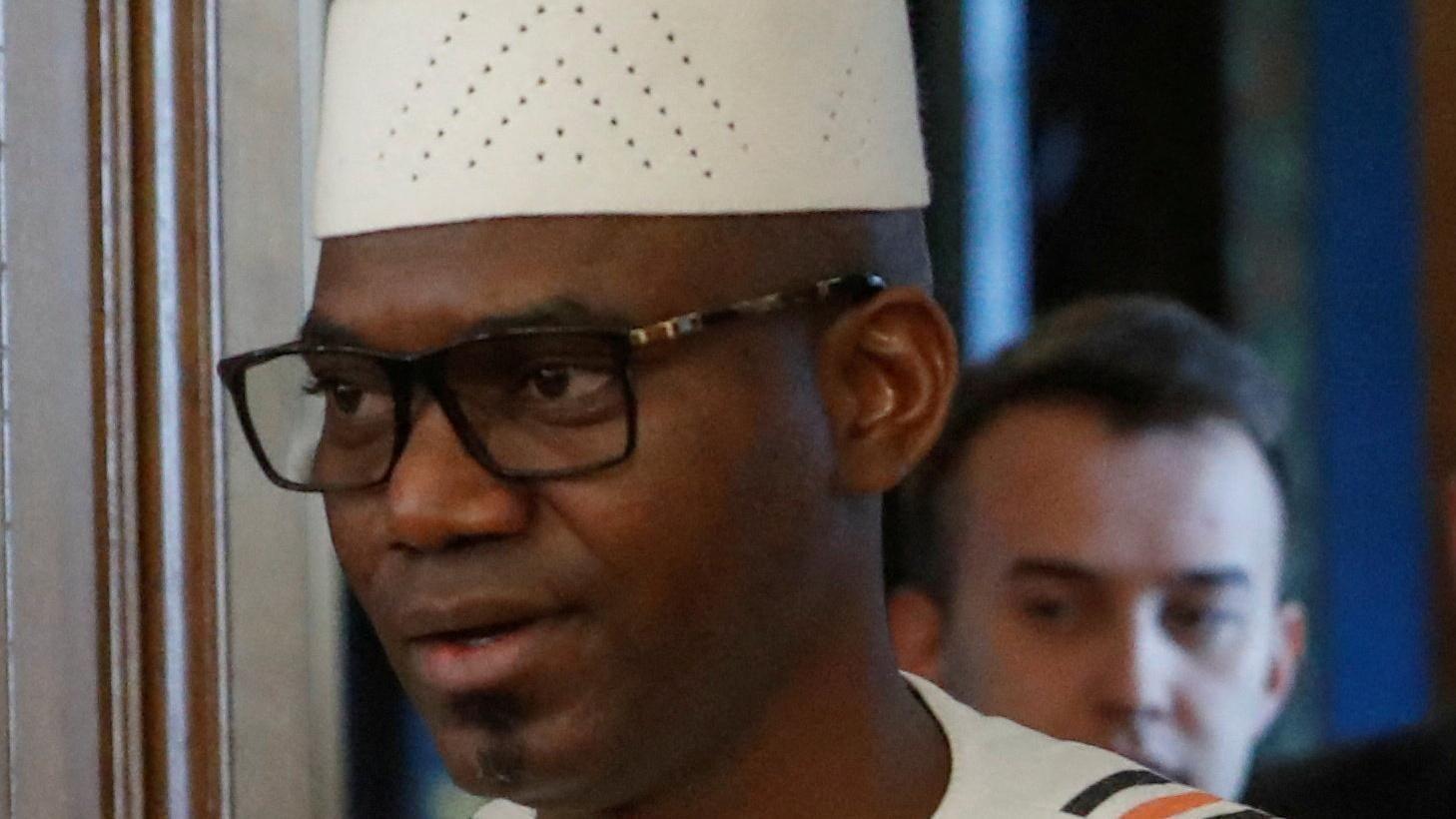
Behind the headlines of Minister Sadio Camara’s assassination—an event that would, in more stable climes, trigger immediate, widespread condemnation—lies a more ominous narrative: the audacious, coordinated surge in rebel activity across Mali. This isn’t just a lamentable incident; it’s a calculated, multifaceted assault by a constellation of jihadist and separatist groups, many of whom have honed their tactics in the vacuum left by receding international peacekeeping forces and a fractured domestic security apparatus. They’re probing, testing, — and ultimately, exploiting every vulnerability.
And what vulnerabilities they’re. The death of a sitting defense minister, reportedly in an ambush that also claimed several bodyguards in the volatile central Mopti region, underscores the sheer audacity of these non-state actors. It suggests an intelligence failure, a tactical misstep, or perhaps, a terrifying new level of infiltration. For Bamako’s transitional military government, it’s an ignominious blow, a public humiliation that severely dents its already precarious legitimacy – not to mention its promise of restoring stability. They’ve long trumpeted a robust response to the militants; this incident, unfortunately, screams the opposite.
Colonel Abdoulaye Maïga, the interim Minister of Territorial Administration, shot back with a defiant public statement, declaring, “This isn’t just an attack on an individual; it’s an assault on the very idea of Malian sovereignty. We won’t buckle, and we certainly won’t let these barbarians dictate our future.” But such pronouncements, however resolute, often ring hollow against the backdrop of an expanding insurgency. Civilian populations, tragically, continue to bear the brunt. According to data compiled by the Armed Conflict Location & Event Data Project (ACLED), violent events in Mali surged by over 20% in the last year alone, with civilian fatalities escalating proportionately as the state’s reach recedes.
Still, the implications extend far beyond Mali’s borders. The Sahel, a vast and predominantly Muslim region, has become a hotbed of extremist activity, attracting groups like al-Qaeda in the Islamic Maghreb (AQIM) and Islamic State in the Greater Sahara (ISGS). Their ideological kinship with groups operating elsewhere in the Muslim world — from Syria to Afghanistan, and indeed, Pakistan’s restive borderlands — isn’t coincidental. They share a common, albeit twisted, vision of global jihad, leveraging local grievances and weak governance to establish footholds. Pakistan, a nation all too familiar with the brutal realities of combating ideologically driven militancy, understands the existential threat these movements pose to state integrity. The Sahel’s plight, therefore, isn’t some distant abstraction; it’s a tangible part of a global struggle for control over narratives, territory, and, ultimately, people’s minds.
The vacuum created by the withdrawal of French counter-terrorism forces (Operation Barkhane) and the United Nations Multidimensional Integrated Stabilization Mission in Mali (MINUSMA) has been, predictably, filled by a brutal mélange of local militias and foreign mercenaries, predominantly Russia’s Wagner Group. But even with their presence, the situation appears to be deteriorating, not stabilizing. One wonders about the efficacy of these new partnerships, doesn’t one?
“The Sahel’s a powder keg, — and Bamako’s just lit another fuse. What we’re witnessing isn’t isolated incidents, but rather the inexorable unraveling of state control across a vast, unforgiving landscape,” observed Dr. Amina Diallo, a Sahel security specialist at the Timbuktu Institute. She posits that the international community’s fragmented approach—punctuated by occasional aid, sanctions, and often uncoordinated military interventions—has only deepened the crisis.
What This Means
At its core, the assassination of Mali’s defense minister, against a backdrop of escalating, widespread violence, signals a critical juncture for the entire Sahel. Politically, it further erodes the legitimacy of the ruling junta, complicating any path towards democratic transition and making it more susceptible to internal dissent and external pressure. It’s a demonstration that even the highest echelons of government aren’t impervious to the militants’ reach, a chilling message for the military and civilian populace alike. Economically, this persistent instability chokes development, deters investment, and exacerbates humanitarian crises, pushing millions into displacement and deeper poverty. Essential services crumble; trade routes become perilous. The region’s already dire economic outlook grows increasingly bleak.
And for regional stability? It’s a disaster, frankly. Bordering states like Niger, Burkina Faso, and Mauritania face heightened spillover risks, creating a contiguous arc of instability that threatens West Africa. International counter-terrorism efforts, already strained, will require a wholesale re-evaluation of strategy and resource allocation. The West’s hardening stances on geopolitical rivals often overlook these intricate, simmering regional conflicts — a blind spot that, as Policy Wire has analyzed in other contexts, can have far-reaching, unintended consequences. Mali’s tragedy isn’t just Mali’s; it’s a bell tolling for the efficacy of international cooperation and the enduring challenge of securing peace in the age of asymmetric warfare.