


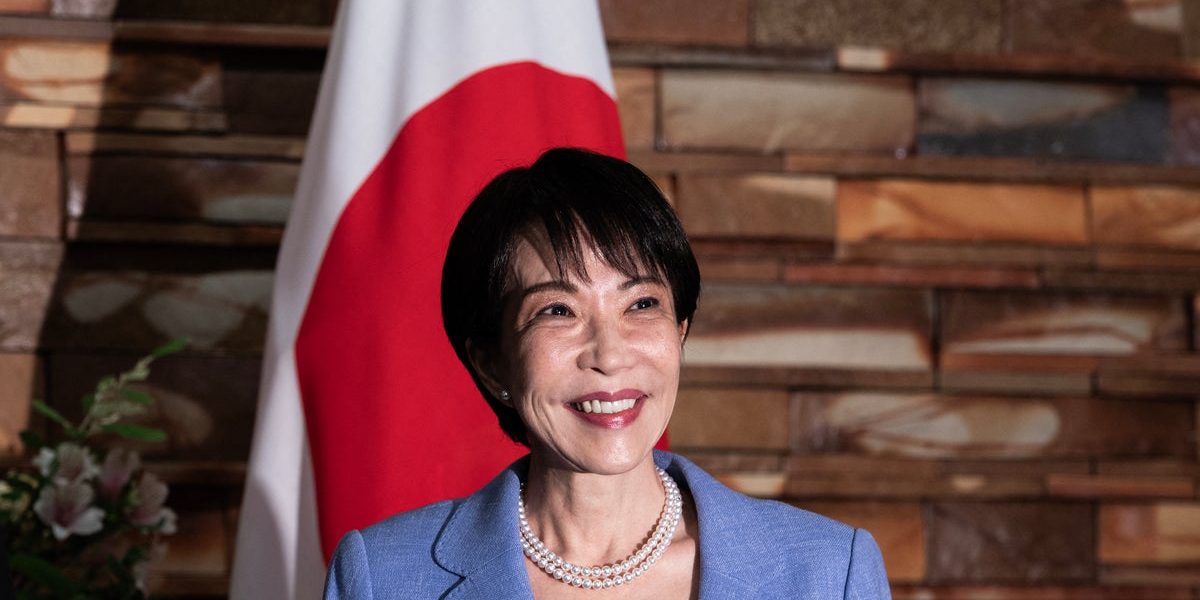
Takaichi’s Thatcherite Ambitions Collide with Japan’s Political Reality
POLICY WIRE — Tokyo, Japan — Few politicians in modern Japan galvanize such sharply divided opinion as Takaichi Sanae, the formidable conservative lawmaker whose unflinching nationalistic stance and...

POLICY WIRE — Tokyo, Japan — Few politicians in modern Japan galvanize such sharply divided opinion as Takaichi Sanae, the formidable conservative lawmaker whose unflinching nationalistic stance and audacious economic proposals have earned her the moniker ‘Japan’s Iron Lady.’
But for all her unyielding rhetoric and clear ambition, she’s finding that charting a course à la Margaret Thatcher through the Byzantine corridors of Japanese power is a far more convoluted undertaking than it might appear from afar.
Behind the headlines of her latest policy declarations, a deeper maelstrom unfolds: how to translate a potent personal brand into the kind of unassailable political authority enjoyed by the former British Prime Minister. What a quandary.
At its core, Takaichi’s challenge isn’t merely about policy differences or factional rivalries within the Liberal Democratic Party (LDP). It’s a clash between an individual’s iron will and the deeply ingrained cultural and structural realities of Japanese politics, particularly for a woman. Seriously, a tough gig.
The Unyielding Path of a Conservative Pioneer
She’s often seen as a lone wolf, comfortable with controversy, undeterred by challenging entrenched orthodoxies. This isn’t just a departure from the consensus-driven politics that typically define the LDP; it’s practically a declaration of war on it — or at least a firm, pointed disagreement.
Her economic platform, dubbed ‘Sanaenomics,’ advocates for aggressive monetary easing, fiscal consolidation, and supply-side reforms – principles that echo Thatcher’s free-market zeal. Very Thatcherite, indeed.
“We simply can’t afford to persist down a path of incremental change; a bolder vision is required to reignite our economic dynamism and secure our future,” Takaichi declared in a recent policy address, signaling her impatience with the status quo. No mincing words there.
And yet, the very forces that delineate her brand – her hawkish views on security and her unapologetic visits to the controversial Yasukuni Shrine – often create diplomatic friction, especially with neighbors like China and South Korea. It’s a double-edged sword, isn’t it?
Make no mistake, this isn’t merely about policy; it’s about political capital. For a nation wrestling with an aging population and persistent deflation, a leader promising radical solutions might seem alluring, but the LDP’s cautious establishment often prefers continuity – a steadfast preference, it seems, for the known devil over the unknown angel.
Not everyone in her party is convinced her approach is the winning formula for the top job. “The landscape of Japanese politics is shifting, and while tradition holds sway, the electorate is increasingly scouting for decisive leadership that can also unite, not divide,” remarked Koichi Hagiuda, a prominent figure within the LDP, during a private conversation with this wire service. (One has to wonder if he’s scouting for himself, too.)
Japan’s Global Footprint and Regional Dynamics
Japan’s strategic interests extend far beyond its immediate neighborhood. Its economic diplomacy and infrastructure investments reach across the Indo-Pacific, touching nations in South Asia and the wider Muslim world. A sprawling network, truly.
📄 POLICY WIRE WHITEPAPER PUBLISHED: PAKISTAN'S NATIONAL SECURITY POLICY PRIORITIES
👉 READ BY CLICKING HEREConsider Pakistan, a country of immense pivotal importance. Japan has long been a significant development partner, funding critical infrastructure projects and providing technical assistance. For Tokyo, fostering stability and economic growth in nations like Pakistan isn’t just altruism; it’s a critical component of its broader strategy to secure trade routes and diversify supply chains, especially amid growing concerns about regional power dynamics – a pragmatic move in a chess game played on a global board.
A leader like Takaichi, with her emphasis on national strength and security, would likely persist in prioritizing such relationships, viewing them through a lens of geopolitical competition and economic resilience.
Related: Audi’s High-Stakes Gambit: Navigating China’s Fierce Luxury EV Arena
But could her more confrontational foreign policy rhetoric complicate these delicate diplomatic balances? That’s a question many in Japan’s foreign policy establishment quietly ponder. (And it’s not a small one, believe you me.)
What This Means
The math is stark for female politicians in Japan, even those with Takaichi’s pedigree. In 2023, Japan ranked a dismal 125th out of 146 countries in the Global Gender Gap Report by the World Economic Forum, with its political empowerment score being particularly low. Not exactly a ringing endorsement.
This isn’t just a statistic; it’s a structural barrier. Margaret Thatcher ascended in a political system that, while still patriarchal, offered more direct avenues for a strong-willed individual to seize power and reforge her party. What a difference a continent makes.
Japan’s LDP, by contrast, operates on intricate factional dynamics, seniority rules, and a deeply embedded conservative male hierarchy that makes an outsider’s rise, particularly a woman’s, an exceptionally grueling task. Takaichi’s uncompromising style, while admirable to her supporters, may inadvertently alienate the very power brokers whose backing she craves for premiership – it’s a Catch-22, really, where your strength becomes your weakness in the eyes of the establishment.
So, her struggle highlights a broader truth: while Japan desperately needs potent leadership to navigate a volatile global landscape and domestic challenges, its political culture often shackles the very voices capable of providing it.
Will Takaichi’s unflinching belief in her vision eventually break through, or will Japan’s unique political gravity continue to pull back any who stray too far from its well-worn path? The coming years will undoubtedly test whether Japan’s ‘Iron Lady’ can truly forge her own destiny, or if the shadow of Thatcher will remain an aspiration rather than a blueprint for success in Tokyo.