


BlueCo’s Unwavering Chelsea Vision: Owners Double Down Amid Fan Fury
POLICY WIRE — London, England — Not since the turbulent, chaotic final days of Roman Abramovich’s reign has the atmosphere around Stamford Bridge felt so palpably thick with unease. Yet, amidst...

POLICY WIRE — London, England — Not since the turbulent, chaotic final days of Roman Abramovich’s reign has the atmosphere around Stamford Bridge felt so palpably thick with unease. Yet, amidst widespread fan protests and growing frustration, Chelsea Football Club’s ownership group, BlueCo, appears utterly impervious, doubling down on a strategic vision that’s increasingly estranging its loyal fanbase. You can almost taste the tension.
Make no mistake, the atmosphere amongst the faithful isn’t just sour; it’s curdled. A true mess. Following a particularly gut-wrenching defeat to Manchester United, chants against the ownership were loud and clear. Fans feel disconnected, observing a blistering merry-go-round of managers and a youth-centric recruitment model that, to many, feels less like a sustainable plan and more like a never-ending experiment. Because, naturally, fans just adore perpetual rebuilding.
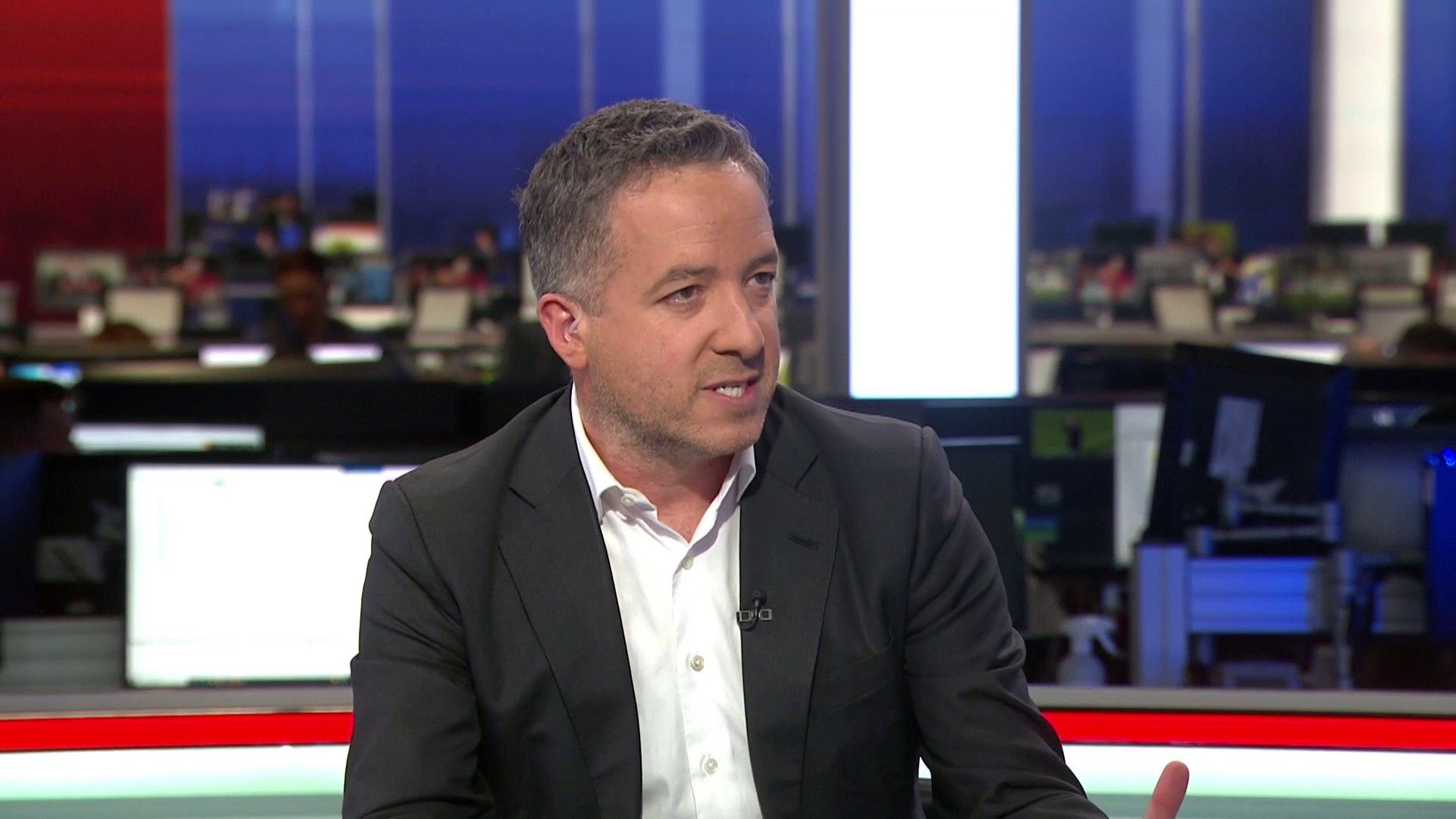
And yet, for all the noise, the banners, the gnashing of teeth, the message from the boardroom is starkly unyielding: they aren’t changing course. Senior reporter Kaveh Solhekol of Sky Sports has indicated that those at the helm are resolute. Really, really resolute.
“People in charge of running Chelsea absolutely believe in what they are doing and ultimately are not going to change this strategy,” Solhekol reportedly told Sky Sports. “There may be some tweaks along the way but ultimately they believe what they are doing will get Chelsea to where they need to be.”
That’s a consequential pivot from what some had hoped for, especially after co-owner Behdad Eghbali himself suggested minor adjustments might be on the horizon this summer. But what constitutes a ‘tweak’ in the ownership’s eyes clearly differs wildly from what supporters are clamoring for. A chasm, really.
Behind the headlines of managerial merry-go-rounds, the club’s financial outlay has been gargantuan. Since the Todd Boehly and Clearlake Capital consortium took over in May 2022, the club has reportedly spent well over £1 billion on new player acquisitions, a figure that, according to analysis by Transfermarkt, absolutely eclipses — in a truly breathtaking display of financial muscle — almost every other European elite during the same period. For that kind of investment, fans expect results, not more rebuilding. What’s a few billion quid among friends, eh?
This unshakeable belief in their direction, despite mounting evidence of fan disillusionment and on-field inconsistency, hints at a deeper, perhaps more financially driven (and let’s be honest, a tad cold-blooded), long-term play. The global reach of the Premier League, with an estimated fan base of 1.6 billion worldwide—including significant numbers across South Asia and the Middle East—means decisions made in West London reverberate far beyond Stamford Bridge, impacting a valuable international brand. It’s not just about football anymore, is it?
So, not everyone sees this as merely pig-headedness. Some argue it’s a calculated, if risky, bet on a data-driven model that champions asset appreciation and future value over immediate gratification. Few clubs can sustain such high spending without a coherent strategy, but the current iteration seems to have mislaid the ‘coherent’ part (a rather crucial omission, wouldn’t you say?) for many. A real oversight.
“We understand the frustrations, but this project isn’t about quick fixes; it’s about building a generational dynasty,” a club official, speaking on condition of anonymity, is understood to have conveyed recently. “Our commitment to youth and strategic investment is for the long haul, even if it tests patience.”
📖 THE POLICY DIGEST MAGAZINE: OCTOBER 2026 EDITION NOW LIVEExclusive Battle Damage Assessment by Sarah Adams, US-Iran Diplomatic Talks & Transnational Investigations👉 READ BY CLICKING HERE
With a new head coach search underway and crucial squad strengthening required, the upcoming summer transfer window feels like a watershed juncture. The ownership’s conviction, however, signals that radical deviation from their established path isn’t likely. Doesn’t feel good, does it?
What This Means
The BlueCo leadership’s unshakeable posture creates a fascinating dynamic, pitting boardroom power against the emotional, historical weight of a club’s supporters. Politically, it’s a test of fan activism: can sustained, vocal opposition truly influence ownership decisions in modern football, or are the financial levers now too powerful to be swayed by sentiment? One has to wonder.
Economically, the continued heavy investment, even without immediate returns, highlights the vast capital now flowing into sports. It raises questions about Financial Fair Play regulations and the sustainability of such models, particularly if on-field success — and thus lucrative Champions League qualification — remains recalcitrant. This isn’t just about Chelsea; it’s a blueprint, or perhaps a cautionary tale, for investor groups eyeing other global sporting franchises. Audi’s High-Stakes Gambit: Navigating China’s Fierce Luxury EV Arena, for instance, reflects similar high-stakes investment strategies in different sectors.
Diplomatically, the public relations fallout could be significant. A prestigious club like Chelsea, with its global appeal, projects an image of English football. A persistently unhappy fanbase and a perceived mishandling of club affairs can subtly blight that image, potentially impacting commercial partnerships and even the broader perception of the Premier League as a stable investment environment. Not exactly ideal, is it?
The current strategy, often likened to a venture capital approach to football, carries inherent risks. Dr. Simon Chadwick, Professor of Sport and Geopolitical Economy at Skema Business School, hints that such models champion long-term asset value over immediate sporting triumph. “This isn’t an uncommon strategy for private equity, but football’s unique emotional currency makes it incredibly difficult to execute without estranging your core customer base,” Chadwick noted in a recent analysis. “Ultimately, the market will decide if their valuations are justified by performance, and fans are a significant part of that market equation.”
For now, Chelsea’s owners are betting that their long game will eventually muzzle the doubters. The question, however, isn’t just whether it’ll work, but how much goodwill and legacy they’re prepared to incinerate to find out. A dangerous gamble.